-
Events
-
Festival of Speed
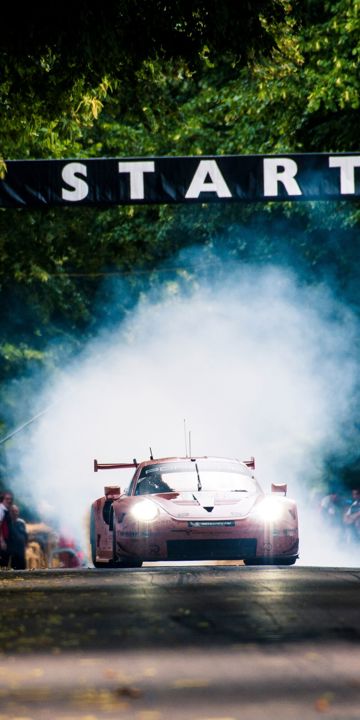

A bright future at #FOS
Future Lab is Goodwood's innovation pavilion, inspiring industry enthusiasts and future scientists with dynamic tech
-
Goodwood Revival
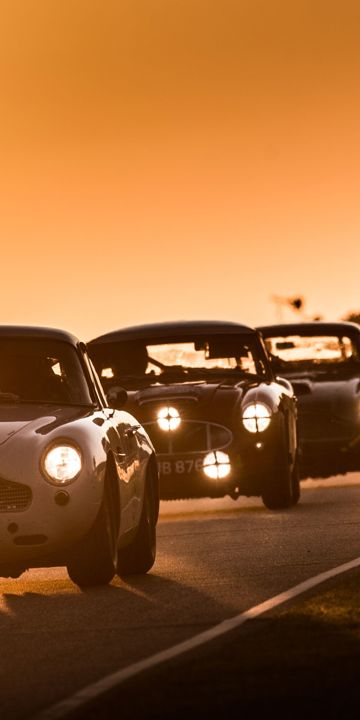

"Mr Goodwood"
Sir Stirling Moss was one of the founding patrons of the Festival of Speed, and a regular competitor at the Revival.
-
Members' Meeting
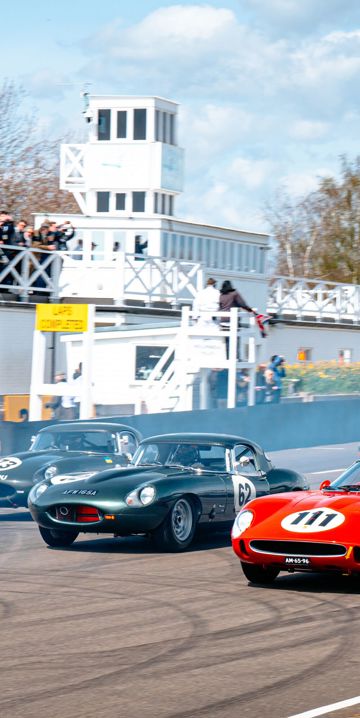

More than motorsport...
Ferret racing and duck herding are two of the many off-track activities at Members' Meeting -
Qatar Goodwood Festival


"Glorious Goodwood"
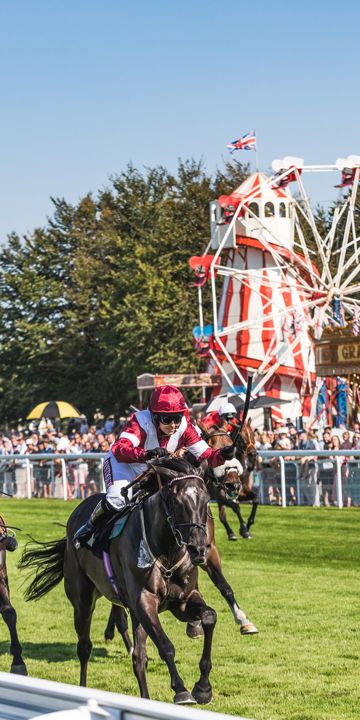
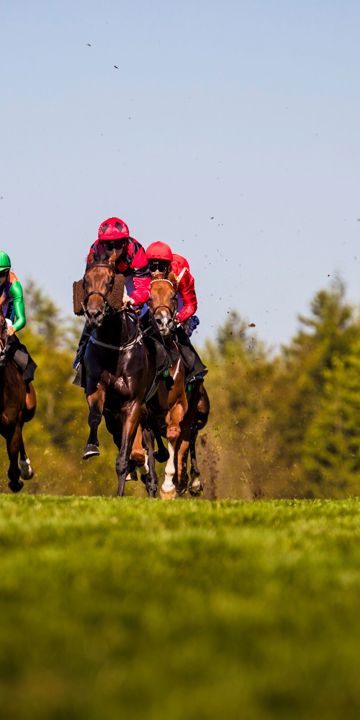
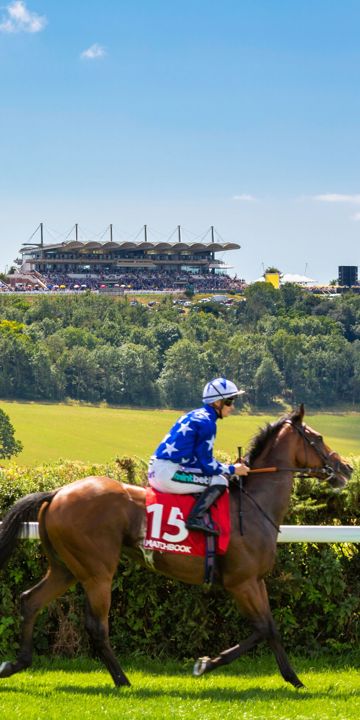
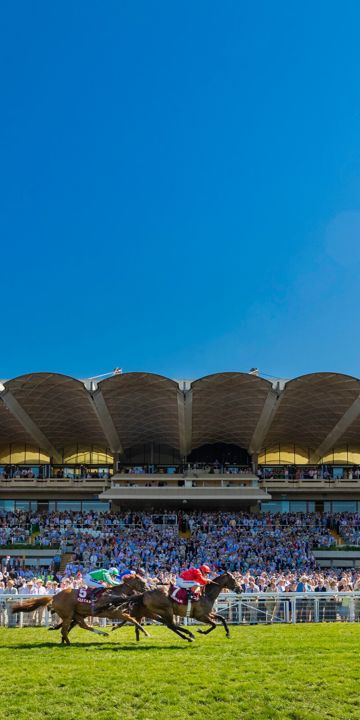
The first public race meeting took place in 1802 and, through the nineteenth century, ‘Glorious Goodwood,’ as the press named it, became a highlight of the summer season
-
Goodwoof
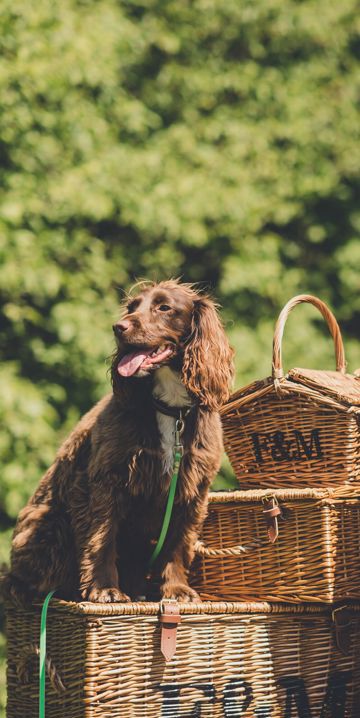

Start in style
The breed parade sees hundreds of dogs and their owners walk from Goodwood House down to The Kennels to kick start the Goodwoof weekend. -
Horseracing
-
Season Opener
-
May Festival
-
Family Race Day
-
Three Friday Nights
-
August Bank Holiday
-
Midweek Racing
-
Season Finale
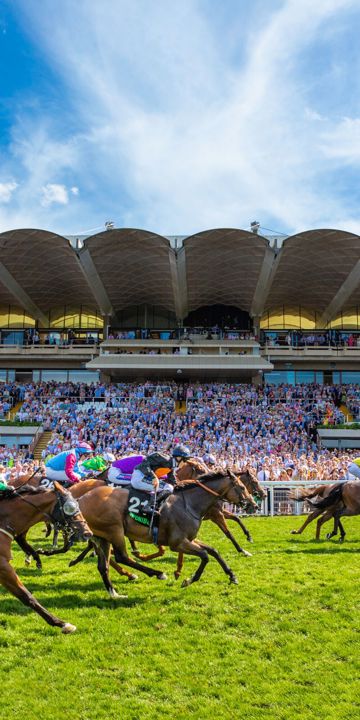

Racing Colours
The red & yellow of the Racecourse can be traced back hundreds of years, even captured in our stunning Stubbs paintings in the Goodwood Collection
-
Season Opener
-
Breakfast Club
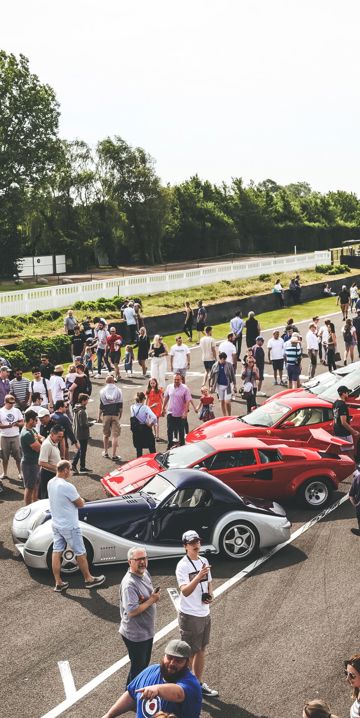

A perfect Sunday morning?
A no-cost, all-welcome motoring show where the visitors and their machines are the stars -
Hospitality
-
Exhibiting
-
Partnerships
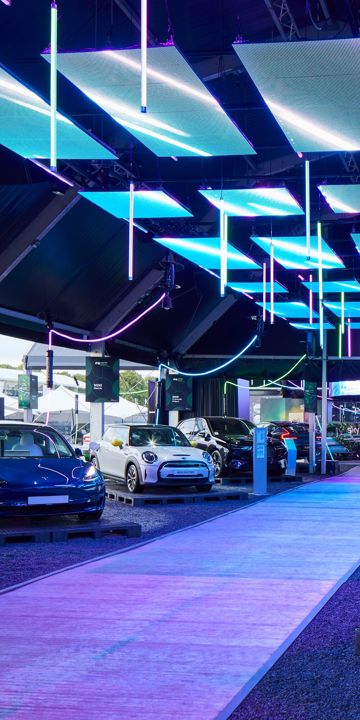

Where else can you...
...plan strategy in an ancient woodland, enjoy award-winning dining then drive around a -racetrack? -
What's on
-
Festival of Speed
-
Visit, Eat, Stay
-
The Goodwood Hotel
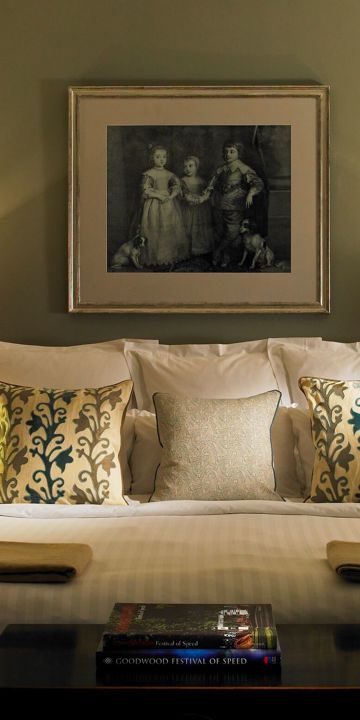

During the war...
The Motor Circuit was known as RAF Westhampnett, active from 1940 to 1946 as a Battle of Britain station. -
Goodwood Cottages
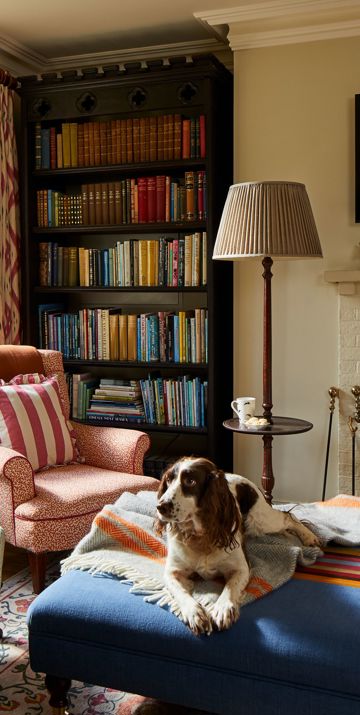

Levin Down Gin
Our gin uses wild-grown botanicals sourced from the estate, and is distilled with mineral water naturally chalk-filtered through the South Downs.
-
Goodwood House
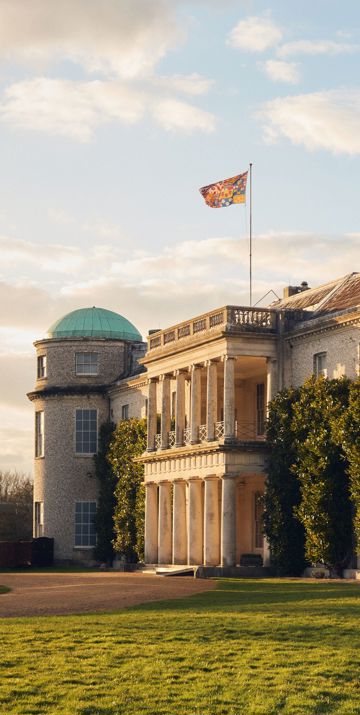

Our Paintings Collection
The origins of the collection lay in the possessions of Louise de Keroualle, Duchess of Portsmouth, and Duchess of Aubigny in France, to whom some of the paintings originally belonged.
-
Restaurants
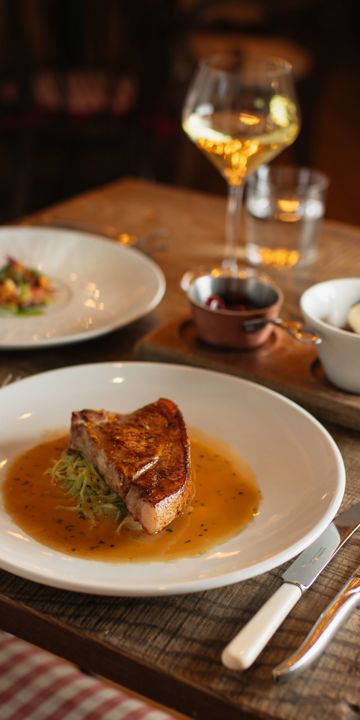

Sustainable state-of-mind
When Farmer, Butcher, Chef opened in 2016 it was awarded the UK’s first-ever Royal Academy of Culinary Arts ‘Sustainable Food Philosophy Seal’. -
The Kennels
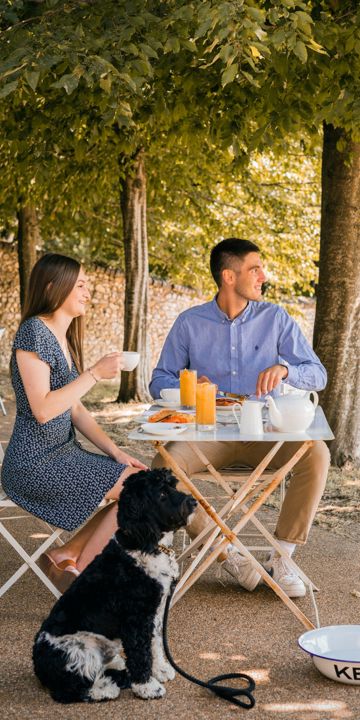

Fashionable foxhounds
The 1st Duke of Richmond bought Goodwood in 1697 as a place to stay to go foxhunting with the fashionable Charlton Hunt. -
Motor Circuit
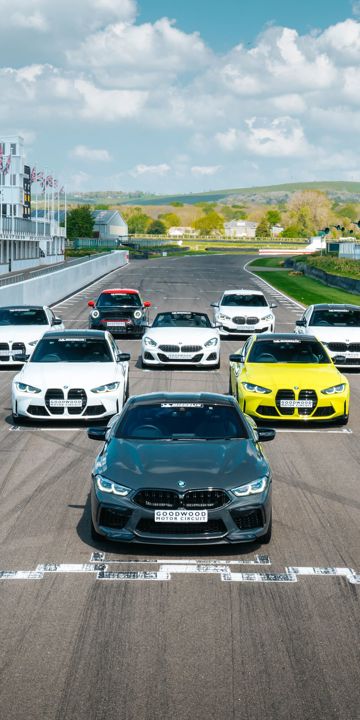
During the war...
The Motor Circuit was known as RAF Westhampnett, active from 1940 to 1946 as a Battle of Britain station. -
Health & Wellbeing
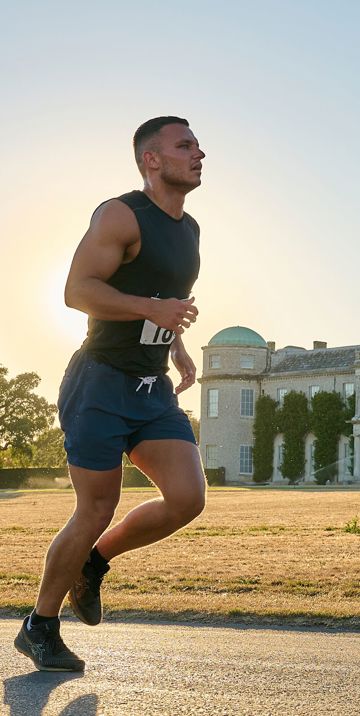

Goodwood's first Health Summit...
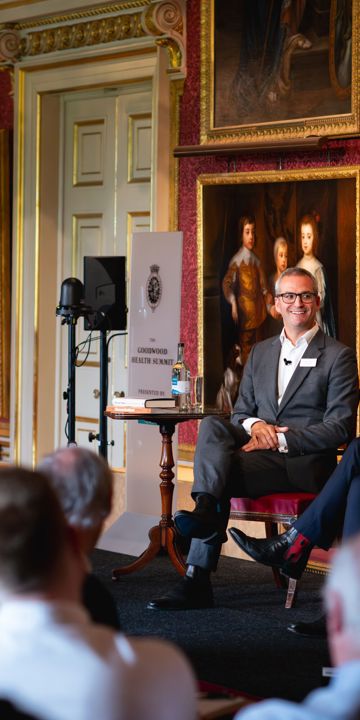
...took place in 2023 with industry experts discussing nutrition costs and food systems for a healthier future. -
Hound Lodge
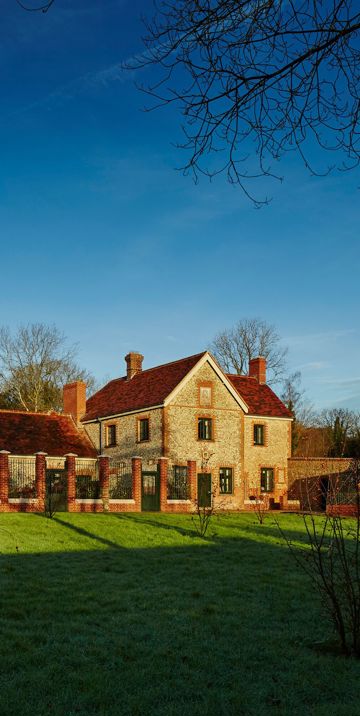

What's the best room?
Dido is traditionally for the host, but every single room is designed with personal touches from Cindy Leveson and the Duke & Duchess of Richmond.
-
Goodwood Farm Shop

Lucky Leap
Inspired by the legendary racer, Masten Gregory, who famously leapt from the cockpit of his car before impact when approaching Woodcote Corner in 1959.
-
Occasions
-
Goodwood Art Foundation
-
The Goodwood Hotel
-
Motorsport
-
Festival of Speed
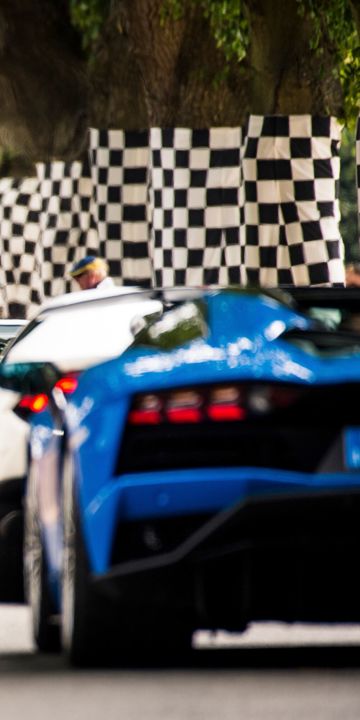

Style et Luxe
Found on the lawn at FOS is the finest concours d'elegance in the world, where the most beautiful cars are presented
-
Goodwood Revival
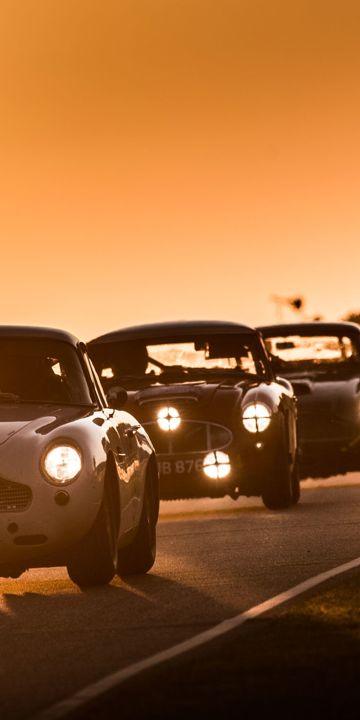

Earls Court replica
Our replica of the famous motor show showcases the "cars of the future" in true Revival style
-
Members' Meeting
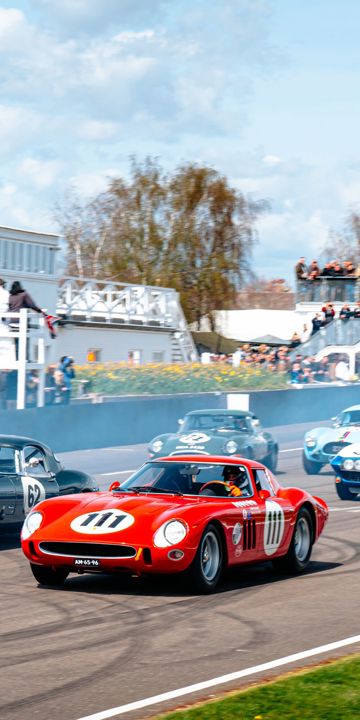
During the war...
The Motor Circuit was known as RAF Westhampnett, active from 1940 to 1946 as a Battle of Britain station. -
Breakfast Club
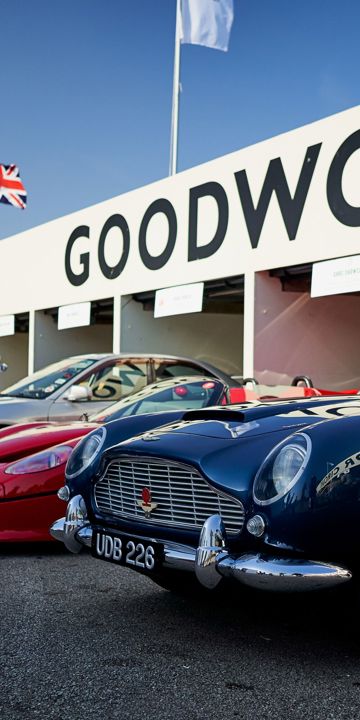
A bright future at #FOS
Future Lab is Goodwood's innovation pavilion, inspiring industry enthusiasts and future scientists with dynamic tech
-
Motor Circuit
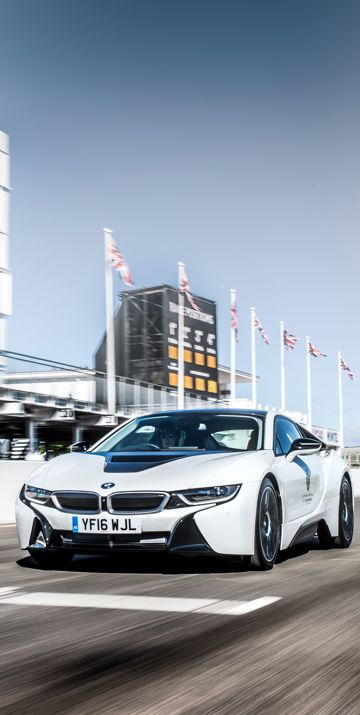

Have you visited our Forest Rally Stage?
From 2005 to present there has been a demonstration area for the rally cars at the top of the hill
-
Driving Experiences
"Mr Goodwood"
Sir Stirling Moss was one of the founding patrons of the Festival of Speed, and a regular competitor at the Revival.
-
Goodwood Road Racing Club
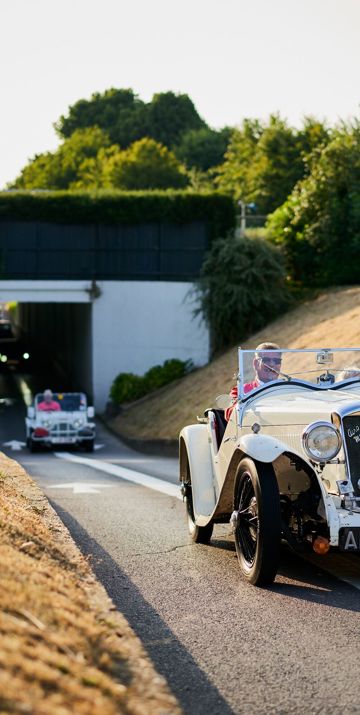
Have you visited our Forest Rally Stage?
From 2005 to present there has been a demonstration area for the rally cars at the top of the hill
-
Goodwood Road & Racing
-
Festival of Speed
-
Horseracing
-
Tickets & Packages
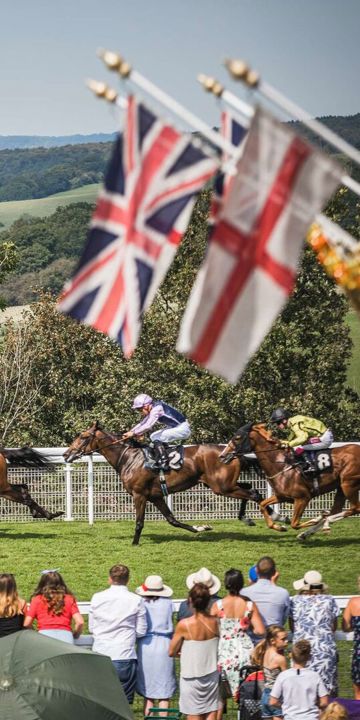
Racing Colours
The red & yellow of the Racecourse can be traced back hundreds of years, even captured in our stunning Stubbs paintings in the Goodwood Collection
-
Fixtures & Events
-
Season Opener
-
May Festival
-
Family Race Day
-
Three Friday Nights
-
Qatar Goodwood Festival
-
August Bank Holiday
-
Autumn Racing
-
Season Finale
Racing Colours
The red & yellow of the Racecourse can be traced back hundreds of years, even captured in our stunning Stubbs paintings in the Goodwood Collection
-
Season Opener
-
Qatar Goodwood Festival

The Magnolia Cup
Leading women of business, sport, fashion and media, take part in one of the most exciting horseracing events in the world.
-
Three Friday Nights
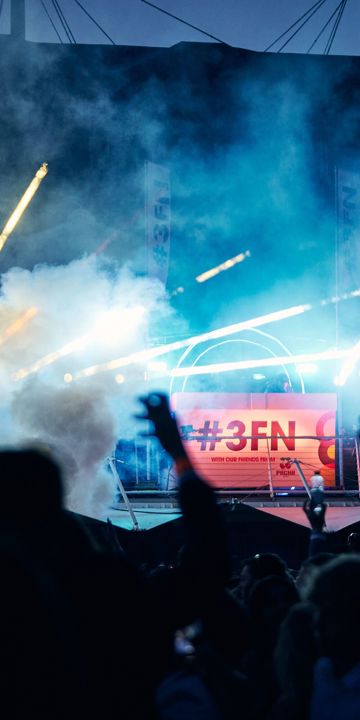
Racing Colours
The red & yellow of the Racecourse can be traced back hundreds of years, even captured in our stunning Stubbs paintings in the Goodwood Collection
-
Hospitality
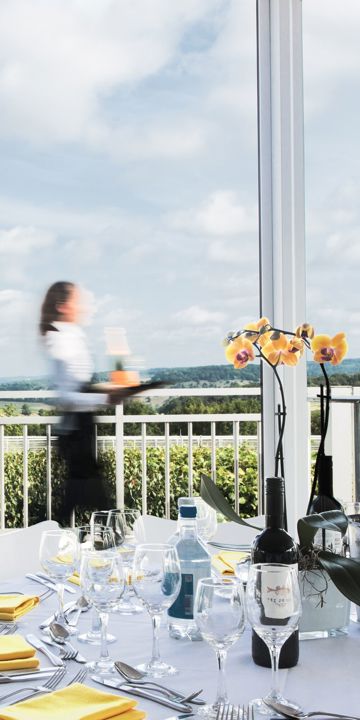

Why does everyone wear hats?
One Summer, King Edward VII turned his back on the traditional morning suit, and donned a linen suit and Panama hat. Thus the Glorious Goodwood trend was born.
-
Partners
-
Plan Your Day
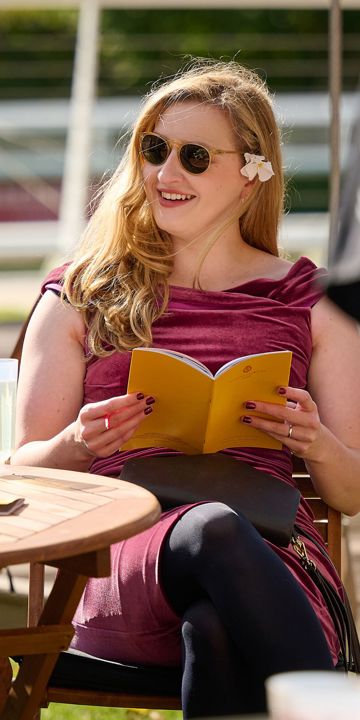
Why does everyone wear hats?
One Summer, King Edward VII turned his back on the traditional morning suit, and donned a linen suit and Panama hat. Thus the Glorious Goodwood trend was born.
-
Food and Drink
-
Owners & Trainers
-
Racecourse Membership
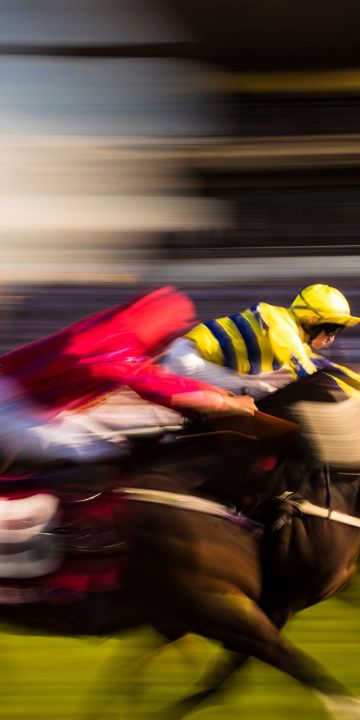
"Glorious Goodwood"
The first public race meeting took place in 1802 and, through the nineteenth century, ‘Glorious Goodwood,’ as the press named it, became a highlight of the summer season
-
FAQs
-
Accessibility
-
Tickets & Packages
-
Experiences
-
Driving
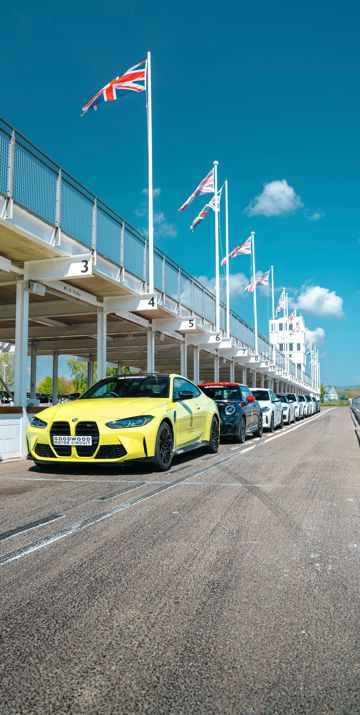

Spectators Favourite
Spectate from the chicane at the Revival to see plenty of classic cars going sideways as they exit this infamous point of our Motor Circuit.
-
Flying
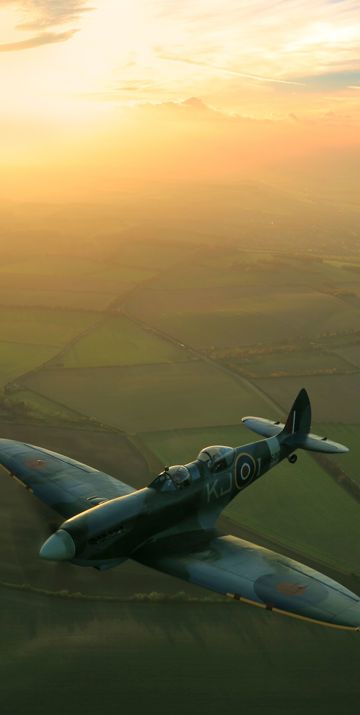

Flying Elephant
The first thing ever dropped at Goodwood was a cuddly elephant which landed in 1932 just as the 9th Duke of Richmonds passion for flying was taking off.
-
Golf
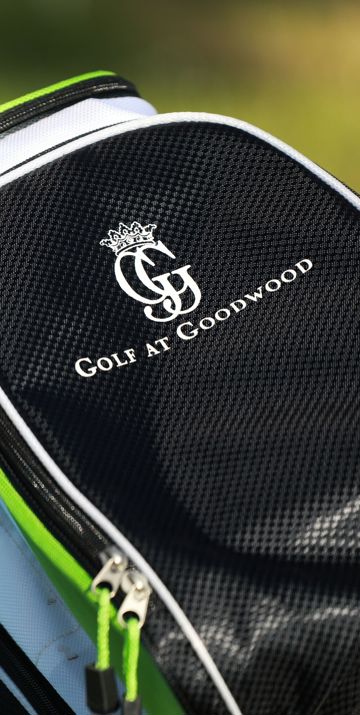

Over 100 years of Golf
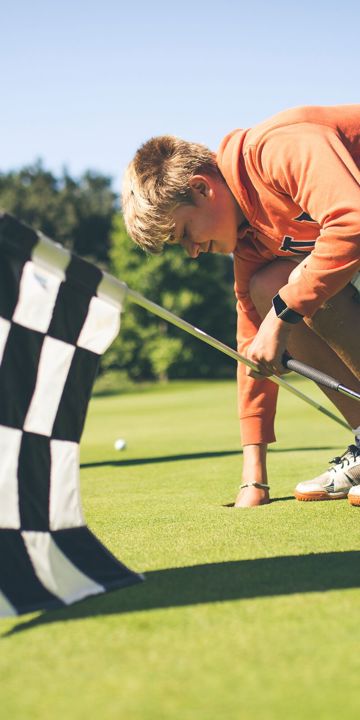
The first ever round of golf played at Goodwood was in 1914 when the 6th Duke of Richmond opened the course on the Downs above Goodwood House.
-
Shooting
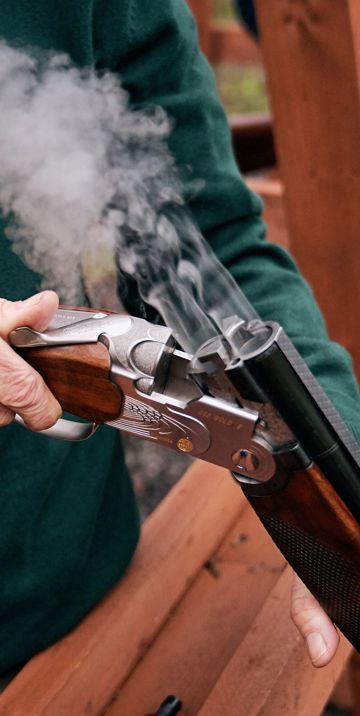

Grogger
Easy boy! The charismatic Farnham Flyer loved to celebrate every win with a pint of beer. His Boxer dog, Grogger, did too and had a tendancy to steal sips straight from the glass.
-
Afternoon Tea
During the war...
The Motor Circuit was known as RAF Westhampnett, active from 1940 to 1946 as a Battle of Britain station. -
Corporate Wellbeing
Goodwood's first Health Summit...
...took place in 2023 with industry experts discussing nutrition costs and food systems for a healthier future. -
Cycling
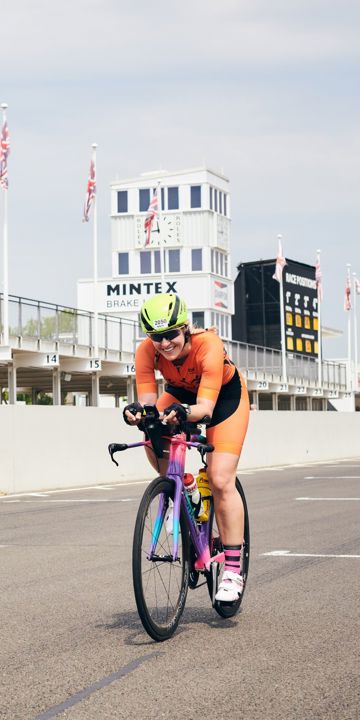

Motorsport Since 1948
Goodwood Motor Circuit was officially opened in September 1948 when Freddie March, the 9th Duke and renowned amateur racer, tore around the track in a Bristol 400
-
Corporate Experiences
Where else can you...
...plan strategy in an ancient woodland, enjoy award-winning dining then drive around a -racetrack? -
Spa Treatments
-
Driving
-
Golf
-
Golf Courses
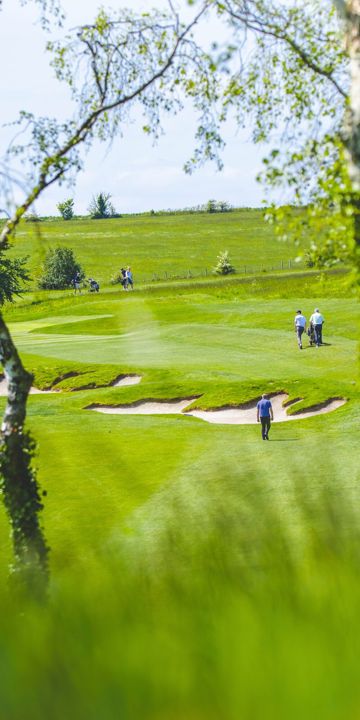

A sporting Estate
Goodwood has two 18-hole championship courses, a modern clubhouse and an impressive Academy. -
Golf Membership
-
Credit Membership
-
Application Form
-
Intermediate Membership
-
Junior Membership
-
Corporate Membership
-
Copse Membership
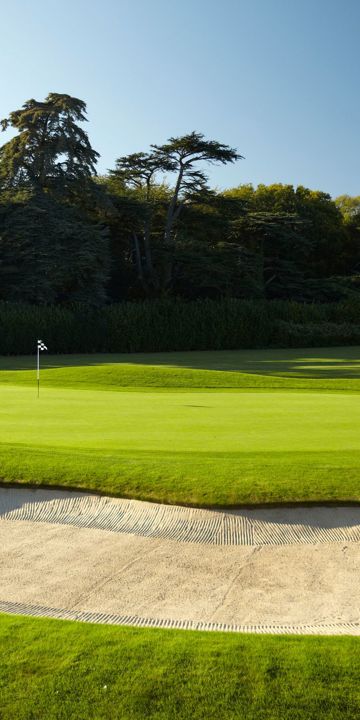
Over 100 years of Golf
The first ever round of golf played at Goodwood was in 1914 when the 6th Duke of Richmond opened the course on the Downs above Goodwood House.
-
Credit Membership
-
The Academy
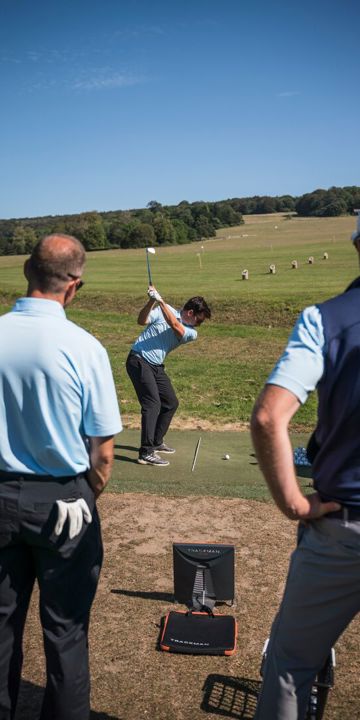

Braid’s Masterpiece
One of the greatest golfers of all time, James Braid designed Goodwood’s iconic Downland course, opened in 1914.
-
Golf Experiences
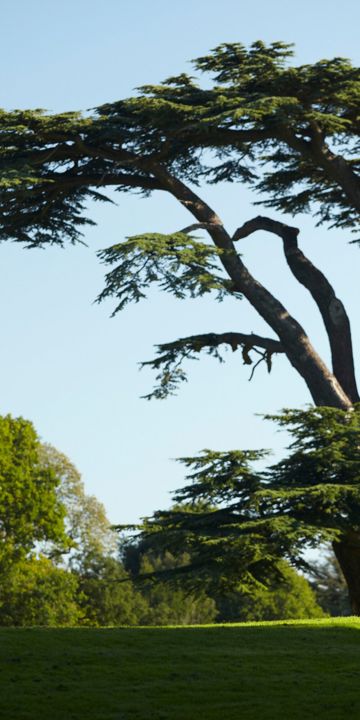
Braid’s Masterpiece
One of the greatest golfers of all time, James Braid designed Goodwood’s iconic Downland course, opened in 1914.
-
Golf Courses
-
Flying
-
Flying School
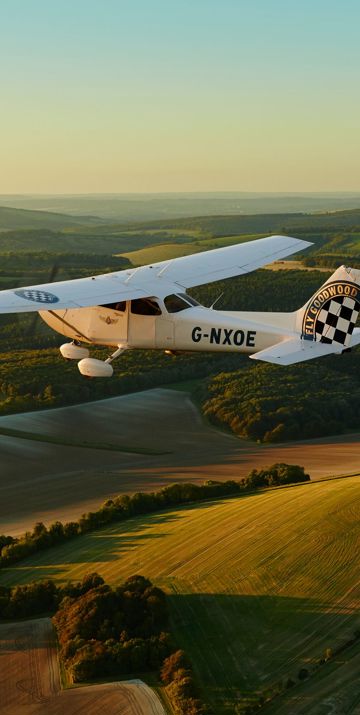

During the war...
The Motor Circuit was known as RAF Westhampnett, active from 1940 to 1946 as a Battle of Britain station.
-
Aero Club Membership
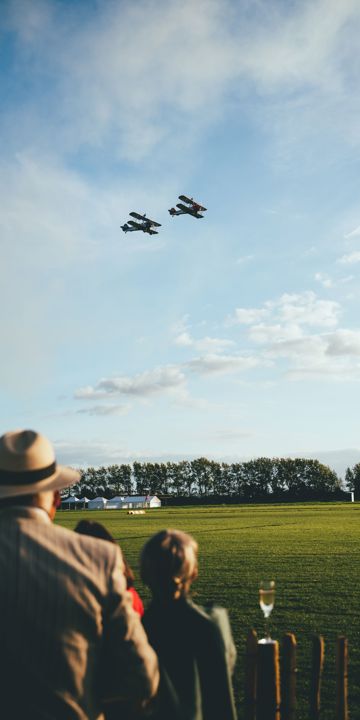

Ace Pilot
Ray Hanna famously flew straight down Goodwood’s pit straight below the height of the grandstands at the first Revival in 1998
-
Flying Experiences
-
Pilot Information
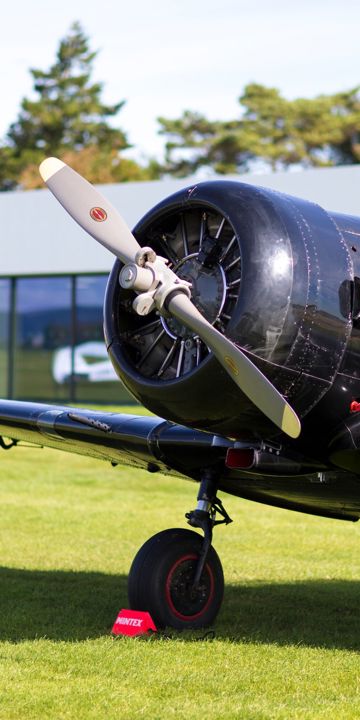

Battle of Britain
Flying training began at Goodwood in 1940 when pilots were taught operational flying techniques in Hurricanes and Spitfires.
-
Flying School
-
Meetings
-
Venue Hire
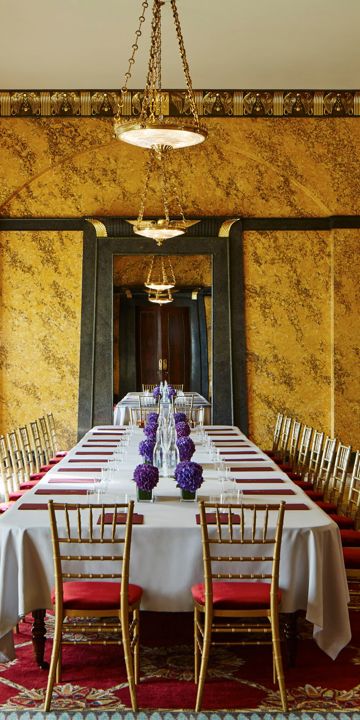
Where else can you...
...plan strategy in an ancient woodland, enjoy award-winning dining then drive around a -racetrack? -
Hospitality
-
Corporate Experiences
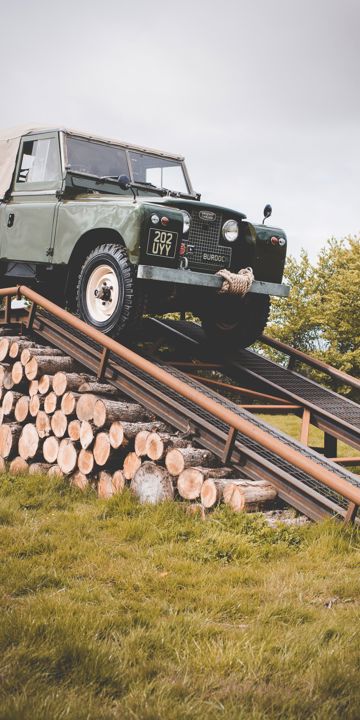
Where else can you...
...plan strategy in an ancient woodland, enjoy award-winning dining then drive around a -racetrack? -
Corporate Wellbeing
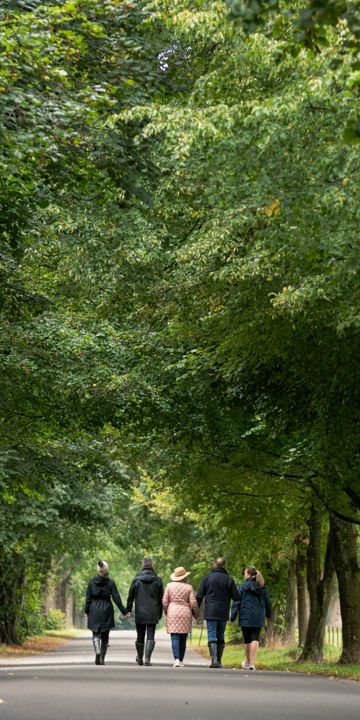
Goodwood's first Health Summit...
...took place in 2023 with industry experts discussing nutrition costs and food systems for a healthier future. -
Film Locations
Where else can you...
...plan strategy in an ancient woodland, enjoy award-winning dining then drive around a -racetrack?
-
Venue Hire
-
Weddings
-
Goodwood House
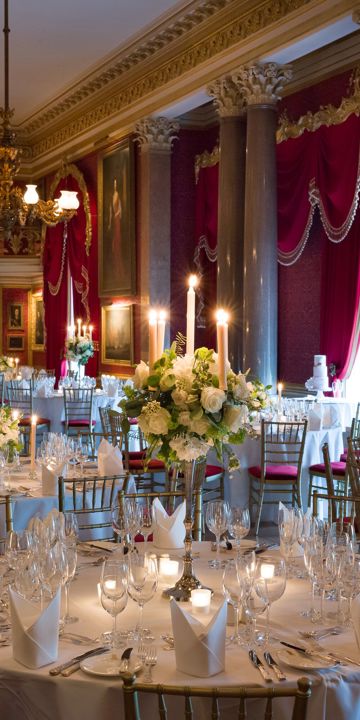

Georgian Ice House
Estate milk was once transformed into ice-creams, bombes, and syllabubs, and the Georgian ice house still stands in the grounds in front of Goodwood House.
-
The Kennels
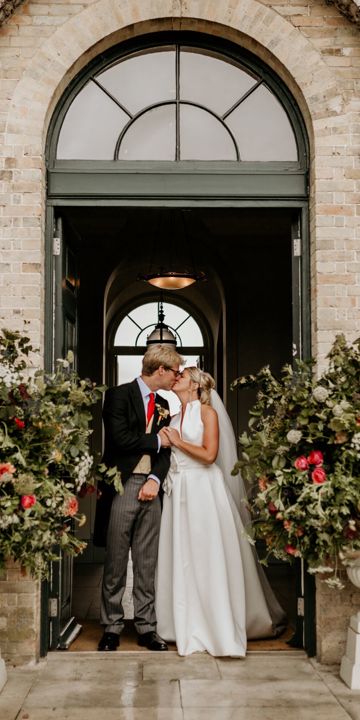

An exclusive clubhouse
As the private clubhouse for all of the Estate’s sporting and social members, it offers personal service and a relaxed atmosphere
-
The Goodwood Hotel
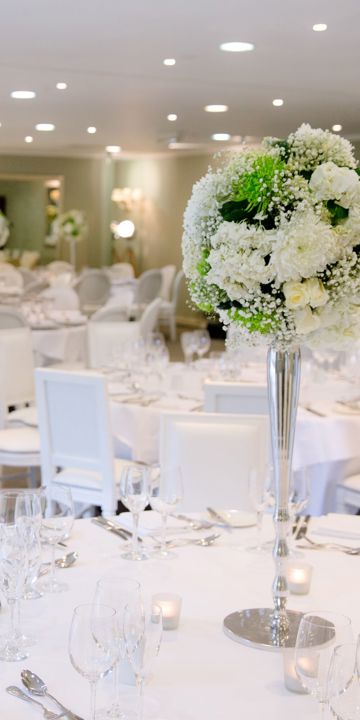

Advice from our Head Butler
Ensure you take a little time out together to pause and take in the celebration of all the hard work you put in will be a treasured memory.
-
Occasions
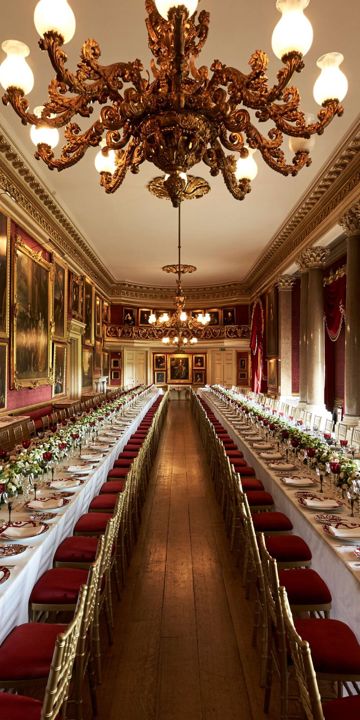
Where else can you...
...plan strategy in an ancient woodland, enjoy award-winning dining then drive around a -racetrack?
-
Goodwood House
-
Memberships
-
Goodwood Road Racing Club
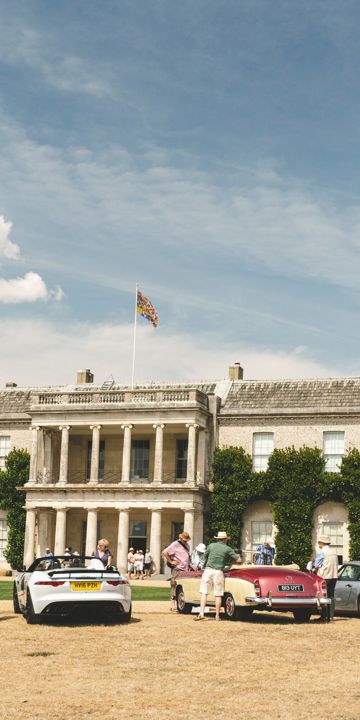

When was the GRRC founded?
Established in 1998 by the Duke of Richmond, the Goodwood Road Racing Club offers exclusive benefits across the estate year-round -
Goodwood Horseracing Club
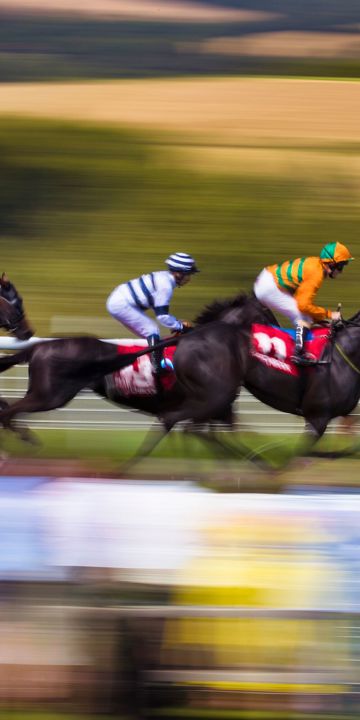
The Magnolia Cup
Leading women of business, sport, fashion and media, take part in one of the most exciting horseracing events in the world.
-
Golf At Goodwood
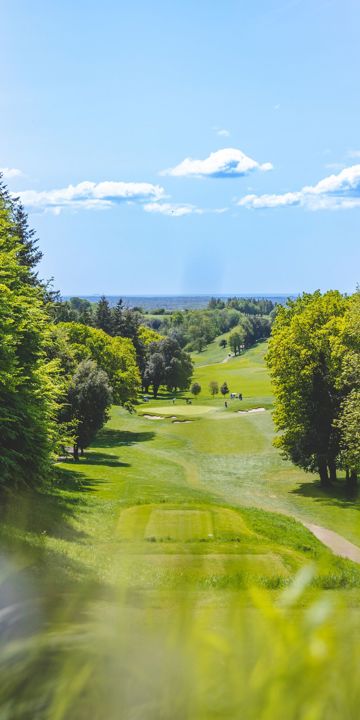
Over 100 years of Golf
The first ever round of golf played at Goodwood was in 1914 when the 6th Duke of Richmond opened the course on the Downs above Goodwood House.
-
Goodwood Aero Club

Flying with Goodwood
Come with us for an epic journey. -
Goodwood Health Club
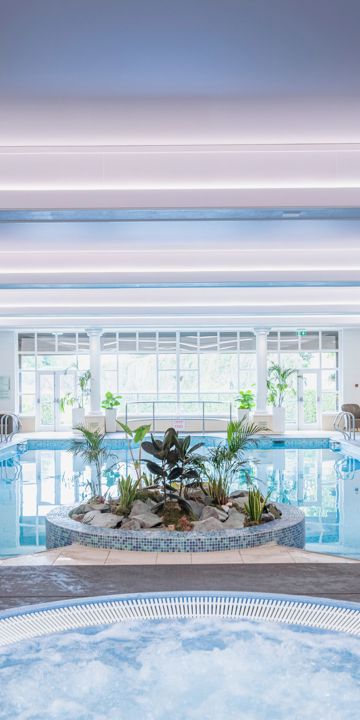
Goodwood's first Health Summit...
...took place in 2023 with industry experts discussing nutrition costs and food systems for a healthier future. -
The Kennels
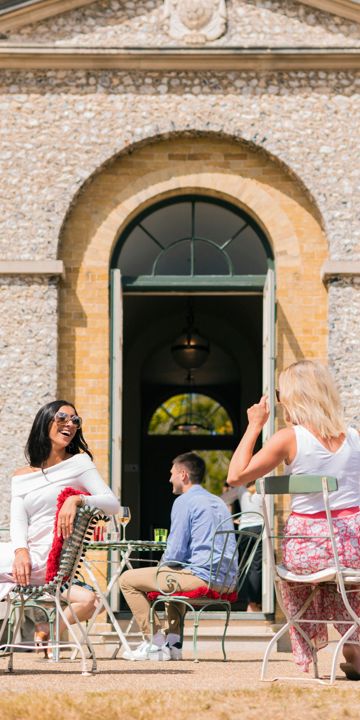
Fashionable foxhounds
The 1st Duke of Richmond bought Goodwood in 1697 as a place to stay to go foxhunting with the fashionable Charlton Hunt. -
Sporting Membership
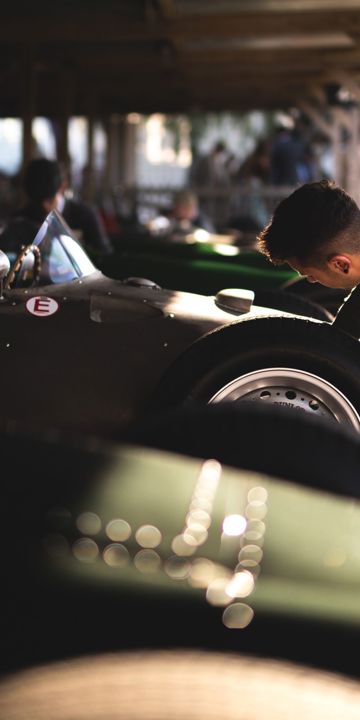
Estate Crest
"En la rose je fleurie" or "Like the rose, I flourish" is part of the Richmond coat of Arms and motto
-
Goodwood Racehorse Owners Group
-
Goodwood Road Racing Club
- Classic Car Insurance
- Health & Wellbeing
- Shop
-
Our Estate
-
Stories from the Estate
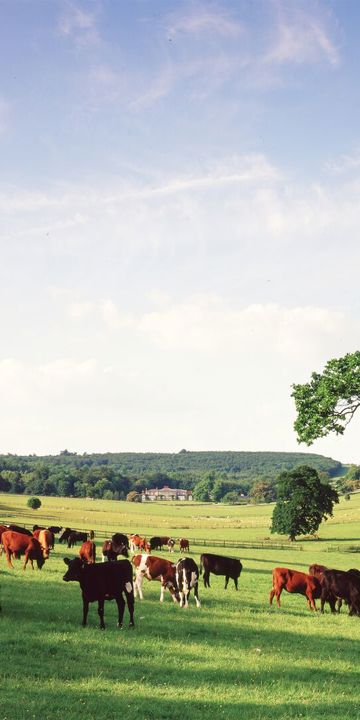
Battle of Britain
Flying training began at Goodwood in 1940 when pilots were taught operational flying techniques in Hurricanes and Spitfires.
-
Goodwood Education Trust
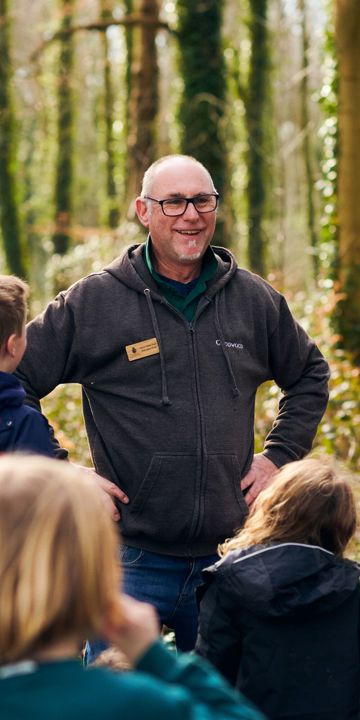
Carne's Seat
Just beyond Goodwood House along the Hillclimb, the 2nd Dukes banqueting house was also known as "one of the finest rooms in England" (George Vertue 1747).
-
Charities
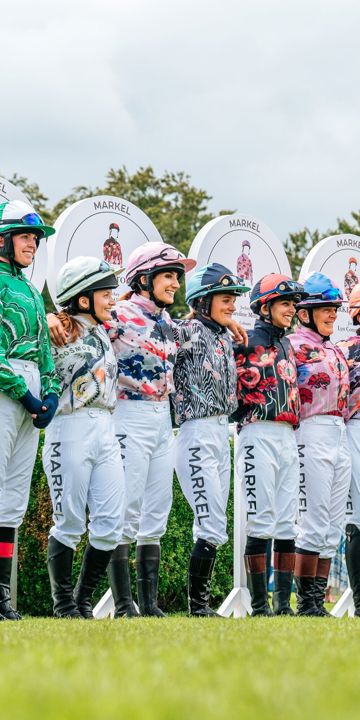

Roots for the future
A 20m woodland rue, from Halnaker to Lavant, was planted by our forestry teams & volunteers, featuring native species like oak, beech, & hornbeam
-
Sustainability
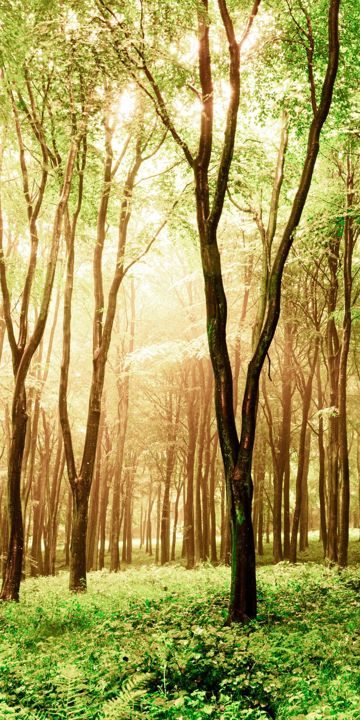
Estate Crest
"En la rose je fleurie" or "Like the rose, I flourish" is part of the Richmond coat of Arms and motto
-
Diversity, Equity & inclusion
-
Property
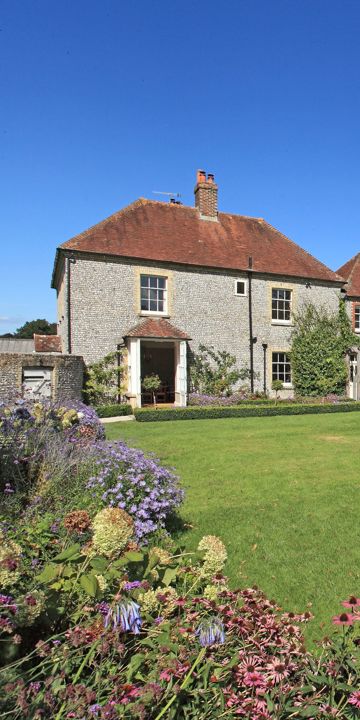

A different breed...
Goodwood’s pigs are a mix of two rare breeds (Gloucester Old Spots and Saddlebacks) plus the Large White Boar.
-
Estate Map
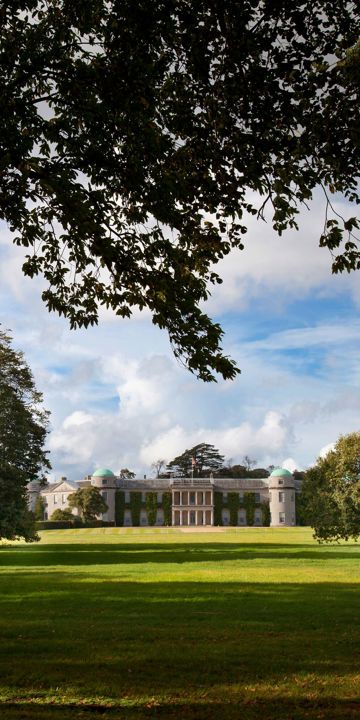
During the war...
The Motor Circuit was known as RAF Westhampnett, active from 1940 to 1946 as a Battle of Britain station. -
Walking Guide
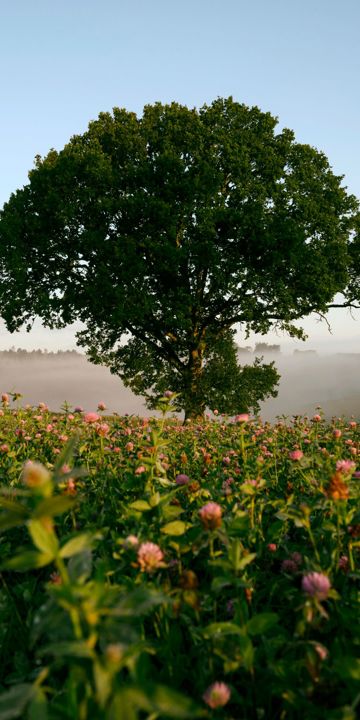

The Silver Spitfire
The iconic spitfire covered almost 43,000 kilometres and visited over 20 countries on its epic journey and currently resides at our Aerodrome.
-
Careers

Carne's Seat
Just beyond Goodwood House along the Hillclimb, the 2nd Dukes banqueting house was also known as "one of the finest rooms in England" (George Vertue 1747).
-
Goodwood Art Foundation
-
What's on
-
Stories from the Estate

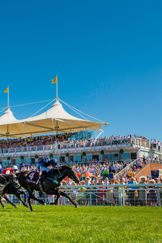

A Colourful Past
With his pioneering use of colour printing techniques, Brian Cook’s illustrations are ripe for rediscovery by a new generation and they are now being reissued for the publisher Batsford’s 175th anniversary.
Words by Oliver Bennett
goodwood magazine
art
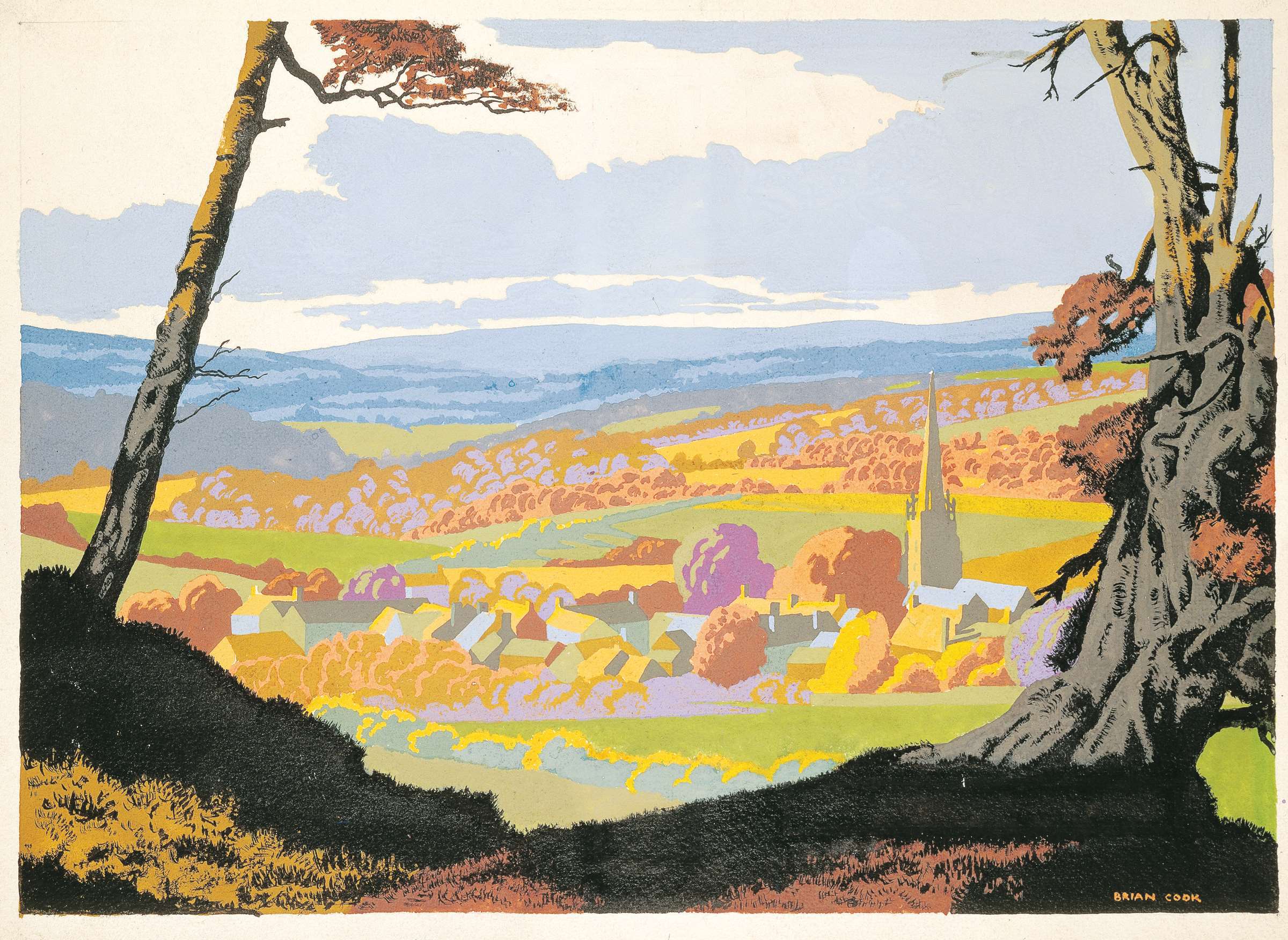
The interwar years are often seen as a time of change; of old rural ways challenged by urban influence and the impending catastrophe of World War II. Perhaps, partly, that’s why the work of illustrator Brian Cook has such emotional resonance. His dust-jackets for Batsford's British town and countryside books, most notably the 1930s Batsford Heritage Series, are now highly collectable and this year, the 175th anniversary of Batsford, they’re being repackaged for a new generation. Cook’s artworks have been reprinted on stationery, postcards and notebooks, and books such as Sussex, Kent and Surrey 1939 by Richard Wyndham, featuring Cook’s cover art, are being reissued.
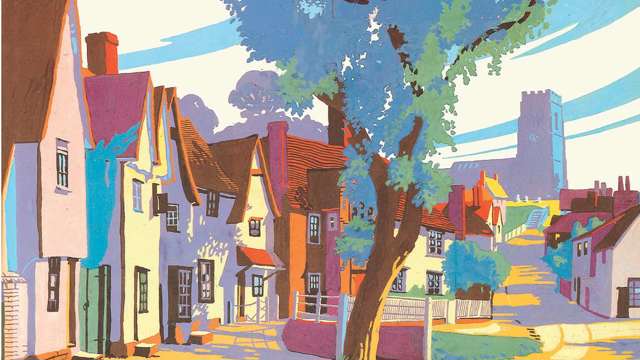
Cook’s career began in less than glorious fashion at Repton School in Derbyshire where the headmaster told him: “Well, Cook, all I can say about you is that, if nothing else, you have at least learnt to paint.” Driven by this damningly faint praise, in 1928 he attended the Central School of Arts and Crafts and became an illustrator specialising in the UK. His debut, in 1932, was The Villages of England. He went on to produce more than 100 dust jackets for Batsford, the family publishing company begun by his greatgrandfather, Bradley Thomas Batsford, in 1843. Cook’s work put Batsford on the map as he mastered using the new medium of the wraparound dust-jacket as a decorative device. From cluttered offices in Holborn in London, Cook created travel posters and illustrations in his heyday and was rewarded with a directorship of Batsford in 1935.
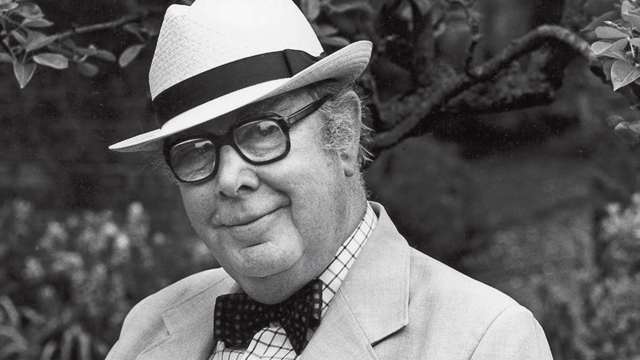
Then came WWII and for Cook, the RAF. Immediately after the war he changed his surname to Batsford at his uncle Harry’s request, and became chairman of the publishing firm in 1952. The change was timely. By the 1950s his style had grown less fashionable, and by 1958 Brian Caldwell Cook Batsford had become a Conservative MP, holding the Ealing South seat until 1974. That same year he was knighted, adding to a host of other honours including chairmanship of the Royal Society of Arts.
Although he always had fans, to some critics Cook’s style came to seem overly nostalgic. For example, his works have been called “winsome and sentimental” by design writer Stephen Bayley, citing his imagery of “rolling downs, fluffy clouds and church spires”. As with John Betjeman’s poems, they have an evocative, elegiac mood.
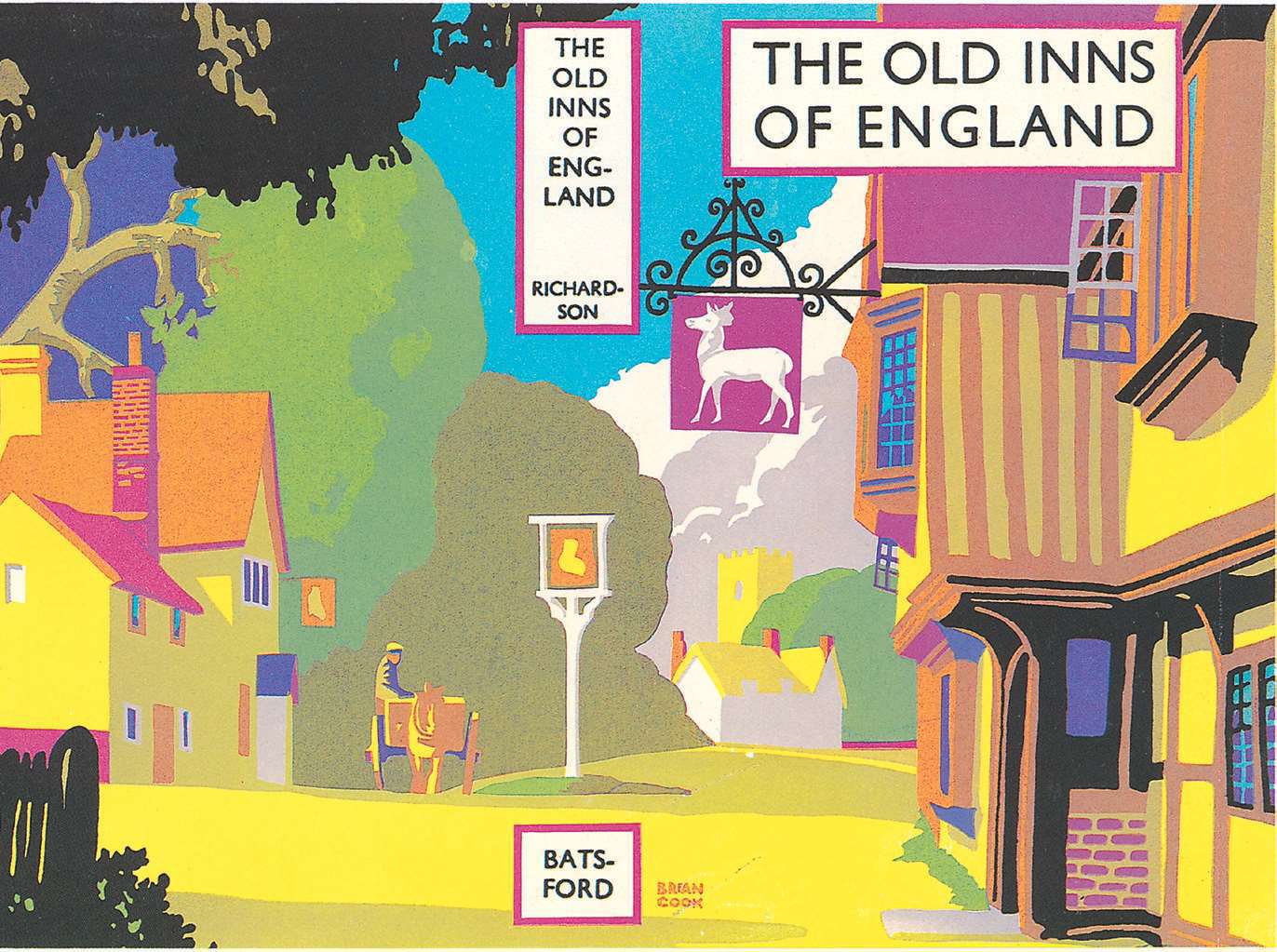
But Cook’s illustrations were far more innovative than they might appear now. He pioneered the use of the Jean Berté process, a watercolour printing method that uses soft rubber plates to print inks, similar to Japanese woodblock printing. As Cook recalled, “We decided to make an experiment… The strength or intensity of colour used on the machine could produce a variety of different effects quite unintended in the original drawing.” Hence the dramatic sense of contrast in Cook’s pictures, almost as if he were seeing Britain more intensely.
Indeed, the most sensational aspect of Cook’s work remains his colours – his purple hills, yellow fields and emerald churches, all of a brightness and intensity that has seen him cited as a precursor to Pop Art and Andy Warhol. As the architect and artist Hugh Casson noted in his introduction to the 1987 volume, The Britain of Brian Cook, it would be a mistake “to treat them [Cook’s images] merely as curiosities, for at the time they were in the forefront in the arts and techniques of production and presentation and their young designer was a true pioneer.” Ever the hands-on artist, Cook personally badgered the Batsford printers at the South Bank “so that if the result was unsatisfactory, it was my fault and not theirs”.
As well as professionally, Cook seems to have been restless geographically. He and his wife Wendy, also an artist, lived all over Britain, settling in Rye, looking over the type of landscape he would once have painted. He died in 1989, in nearby Winchelsea, by which time he would have known that his vivid palette and picturesque subject matter was being appreciated anew.
Sussex, Kent and Surrey 1939 by Richard Wyndham, with cover artwork by Brian Cook, will be published in April by Batsford.
goodwood magazine
art