-
Events
-
Festival of Speed
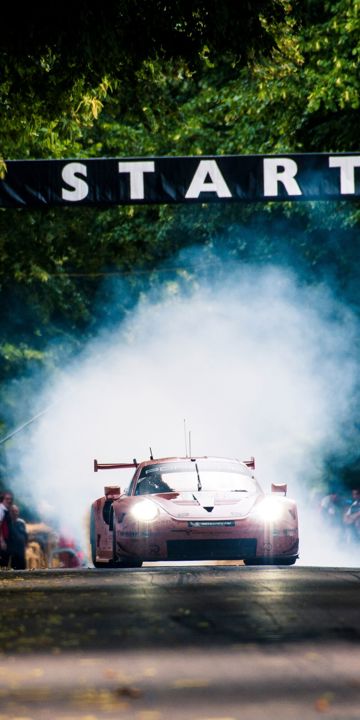

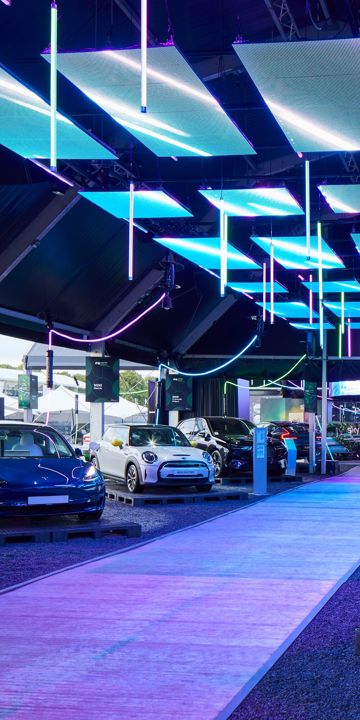
A bright future at #FOS
Future Lab is Goodwood's innovation pavilion, inspiring industry enthusiasts and future scientists with dynamic tech
-
Goodwood Revival


"Mr Goodwood"
Sir Stirling Moss was one of the founding patrons of the Festival of Speed, and a regular competitor at the Revival.
-
Members' Meeting
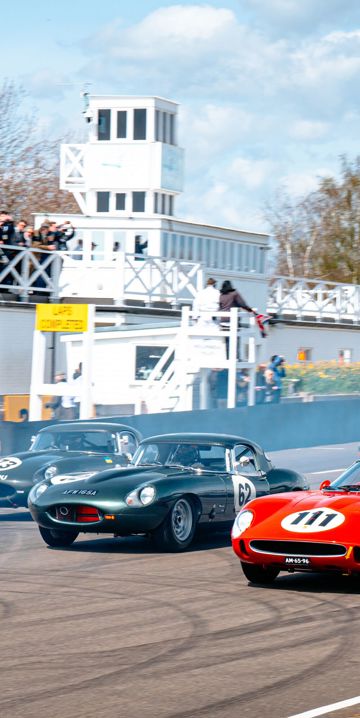

More than motorsport...
Ferret racing and duck herding are two of the many off-track activities at Members' Meeting -
Qatar Goodwood Festival


"Glorious Goodwood"
The first public race meeting took place in 1802 and, through the nineteenth century, ‘Glorious Goodwood,’ as the press named it, became a highlight of the summer season
-
Goodwoof
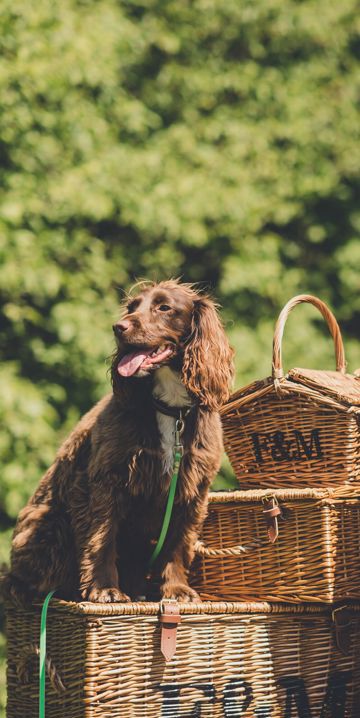

Start in style
The breed parade sees hundreds of dogs and their owners walk from Goodwood House down to The Kennels to kick start the Goodwoof weekend. -
Horseracing
-
Season Opener
-
May Festival
-
Family Race Day
-
Three Friday Nights
-
August Bank Holiday
-
Midweek Racing
-
Season Finale
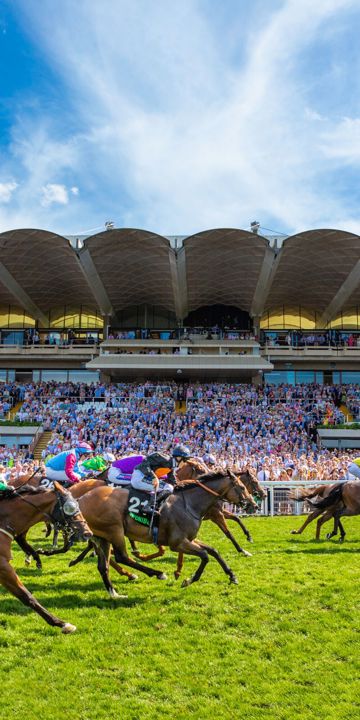

Racing Colours
The red & yellow of the Racecourse can be traced back hundreds of years, even captured in our stunning Stubbs paintings in the Goodwood Collection
-
Season Opener
-
Breakfast Club
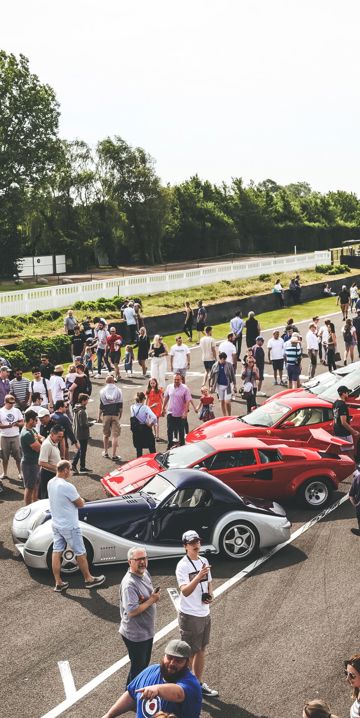

A perfect Sunday morning?
A no-cost, all-welcome motoring show where the visitors and their machines are the stars -
Hospitality
-
Exhibiting
-
Partnerships

Where else can you...
...plan strategy in an ancient woodland, enjoy award-winning dining then drive around a -racetrack? -
What's on
-
Festival of Speed
-
Visit, Eat, Stay
-
The Goodwood Hotel
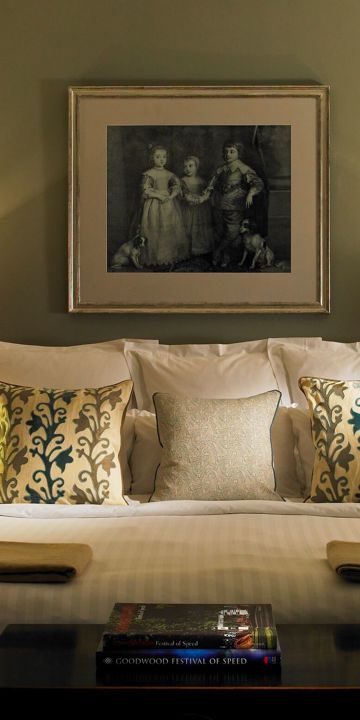

During the war...
The Motor Circuit was known as RAF Westhampnett, active from 1940 to 1946 as a Battle of Britain station. -
Goodwood Cottages

Levin Down Gin
Our gin uses wild-grown botanicals sourced from the estate, and is distilled with mineral water naturally chalk-filtered through the South Downs.
-
Goodwood House
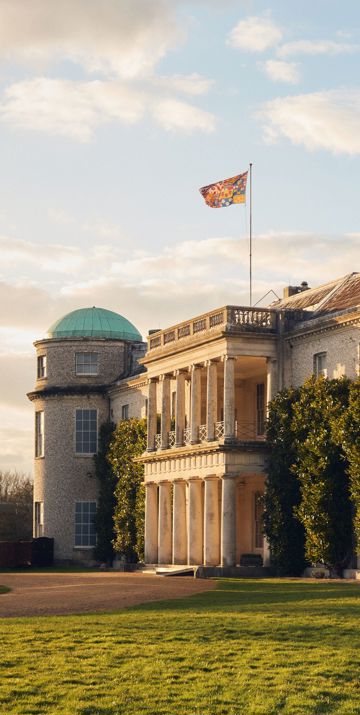

Our Paintings Collection
The origins of the collection lay in the possessions of Louise de Keroualle, Duchess of Portsmouth, and Duchess of Aubigny in France, to whom some of the paintings originally belonged.
-
Restaurants
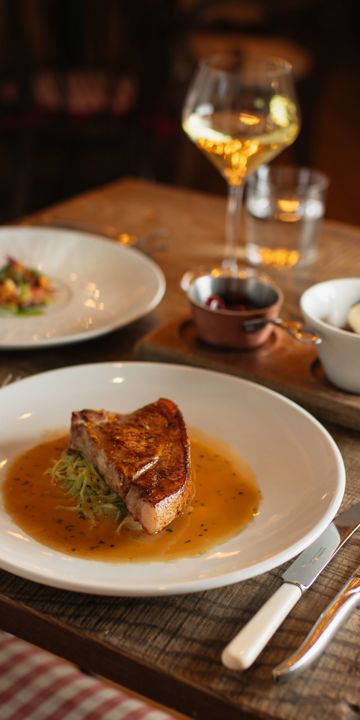

Sustainable state-of-mind
When Farmer, Butcher, Chef opened in 2016 it was awarded the UK’s first-ever Royal Academy of Culinary Arts ‘Sustainable Food Philosophy Seal’. -
The Kennels
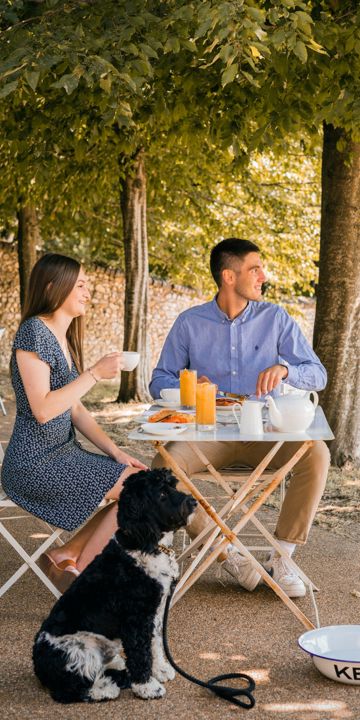

Fashionable foxhounds
The 1st Duke of Richmond bought Goodwood in 1697 as a place to stay to go foxhunting with the fashionable Charlton Hunt. -
Motor Circuit
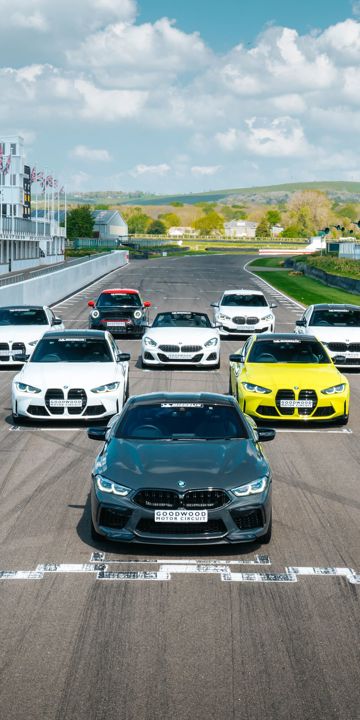
During the war...
The Motor Circuit was known as RAF Westhampnett, active from 1940 to 1946 as a Battle of Britain station. -
Health & Wellbeing
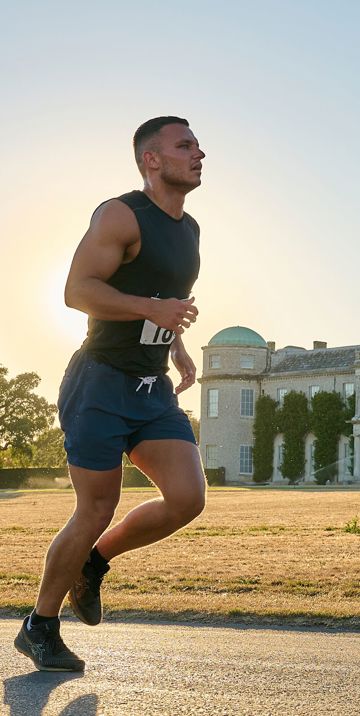

Goodwood's first Health Summit...
...took place in 2023 with industry experts discussing nutrition costs and food systems for a healthier future. -
Hound Lodge
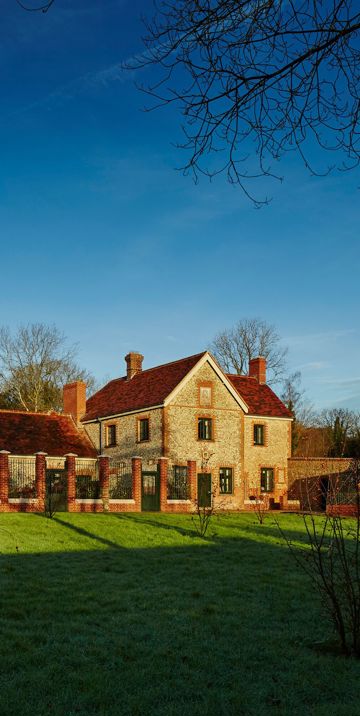

What's the best room?
Dido is traditionally for the host, but every single room is designed with personal touches from Cindy Leveson and the Duke & Duchess of Richmond.
-
Goodwood Farm Shop
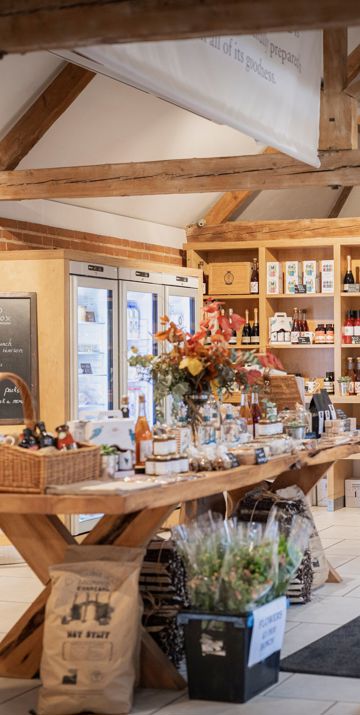

Lucky Leap
Inspired by the legendary racer, Masten Gregory, who famously leapt from the cockpit of his car before impact when approaching Woodcote Corner in 1959.
-
Occasions
-
Goodwood Art Foundation
-
The Goodwood Hotel
-
Motorsport
-
Festival of Speed
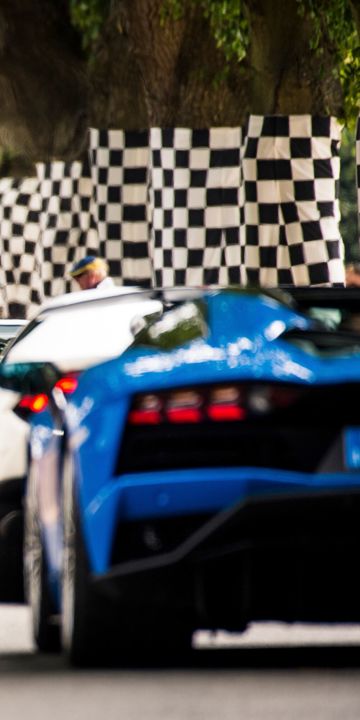

Style et Luxe
Found on the lawn at FOS is the finest concours d'elegance in the world, where the most beautiful cars are presented
-
Goodwood Revival


Earls Court replica
Our replica of the famous motor show showcases the "cars of the future" in true Revival style
-
Members' Meeting
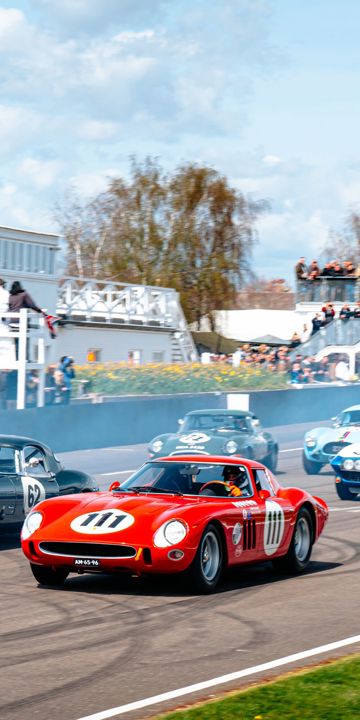
During the war...
The Motor Circuit was known as RAF Westhampnett, active from 1940 to 1946 as a Battle of Britain station. -
Breakfast Club
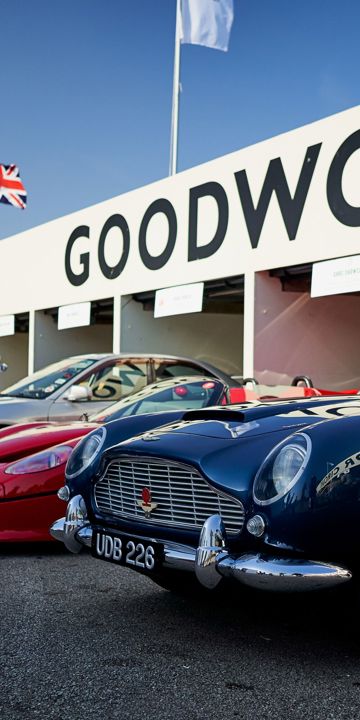
A bright future at #FOS
Future Lab is Goodwood's innovation pavilion, inspiring industry enthusiasts and future scientists with dynamic tech
-
Motor Circuit


Have you visited our Forest Rally Stage?
From 2005 to present there has been a demonstration area for the rally cars at the top of the hill
-
Driving Experiences
"Mr Goodwood"
Sir Stirling Moss was one of the founding patrons of the Festival of Speed, and a regular competitor at the Revival.
-
Goodwood Road Racing Club
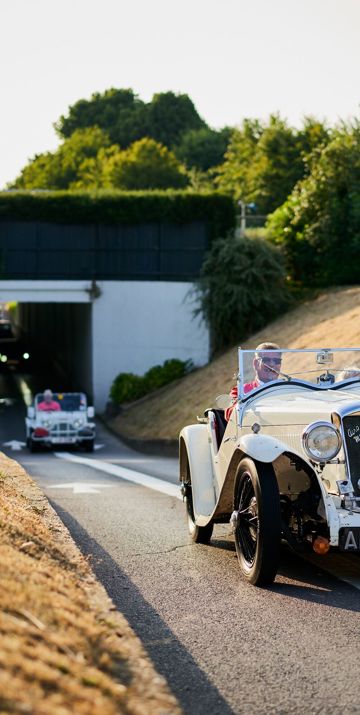
Have you visited our Forest Rally Stage?
From 2005 to present there has been a demonstration area for the rally cars at the top of the hill
-
Goodwood Road & Racing
-
Festival of Speed
-
Horseracing
-
Tickets & Packages
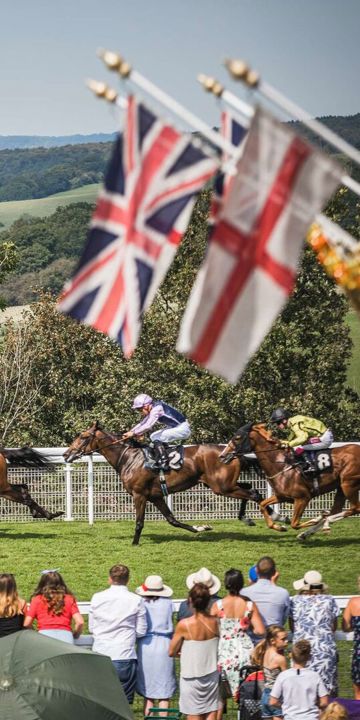
Racing Colours
The red & yellow of the Racecourse can be traced back hundreds of years, even captured in our stunning Stubbs paintings in the Goodwood Collection
-
Fixtures & Events
-
Season Opener
-
May Festival
-
Family Race Day
-
Three Friday Nights
-
Qatar Goodwood Festival
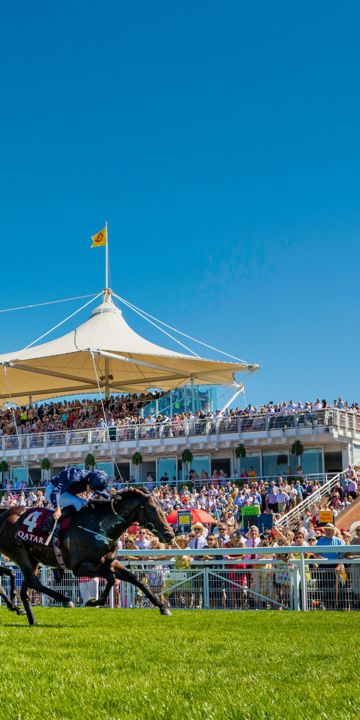
-
August Bank Holiday
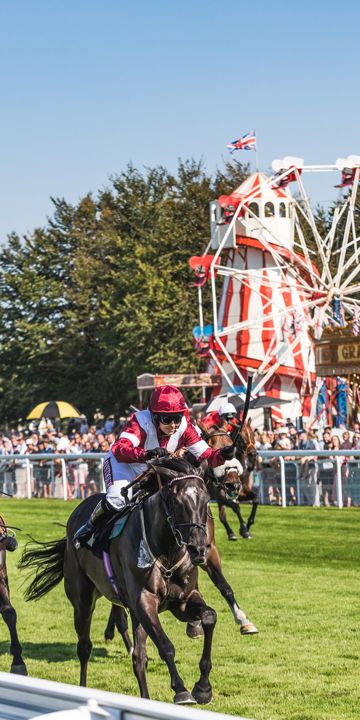
-
Autumn Racing
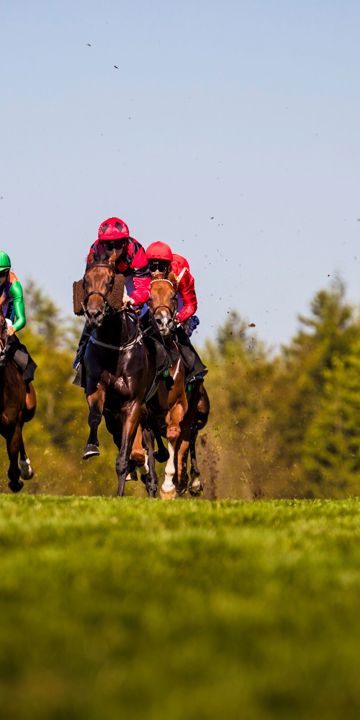
-
Season Finale
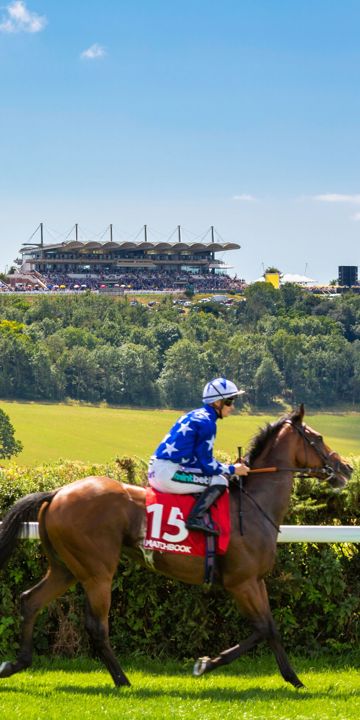
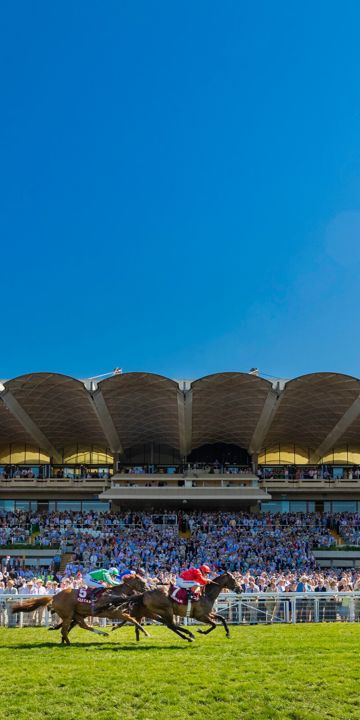
Racing Colours
The red & yellow of the Racecourse can be traced back hundreds of years, even captured in our stunning Stubbs paintings in the Goodwood Collection
-
Season Opener
-
Qatar Goodwood Festival

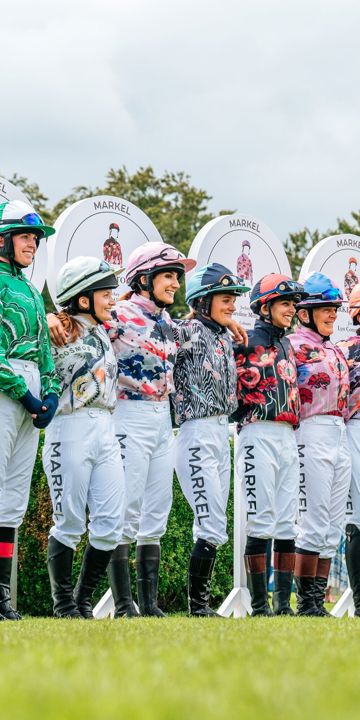
The Magnolia Cup
Leading women of business, sport, fashion and media, take part in one of the most exciting horseracing events in the world.
-
Three Friday Nights
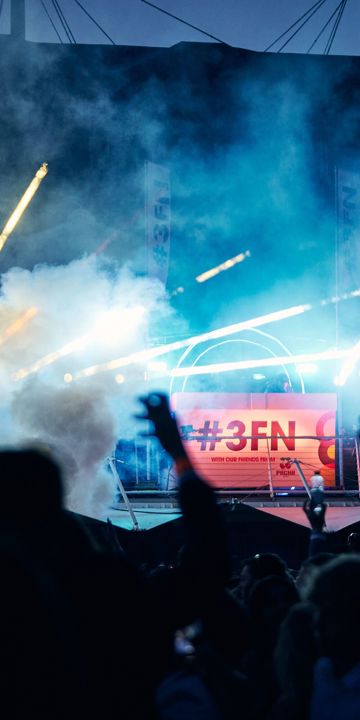
Racing Colours
The red & yellow of the Racecourse can be traced back hundreds of years, even captured in our stunning Stubbs paintings in the Goodwood Collection
-
Hospitality
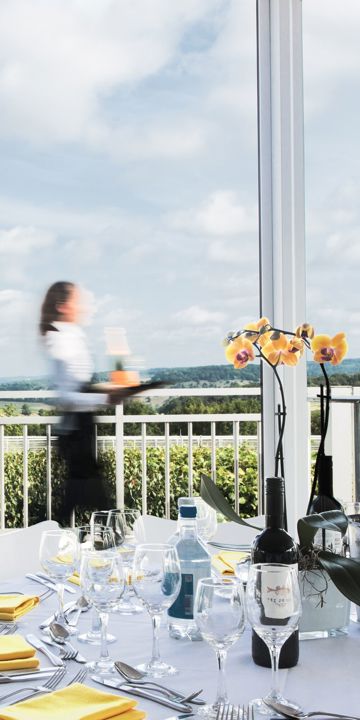

Why does everyone wear hats?
One Summer, King Edward VII turned his back on the traditional morning suit, and donned a linen suit and Panama hat. Thus the Glorious Goodwood trend was born.
-
Partners
-
Plan Your Day
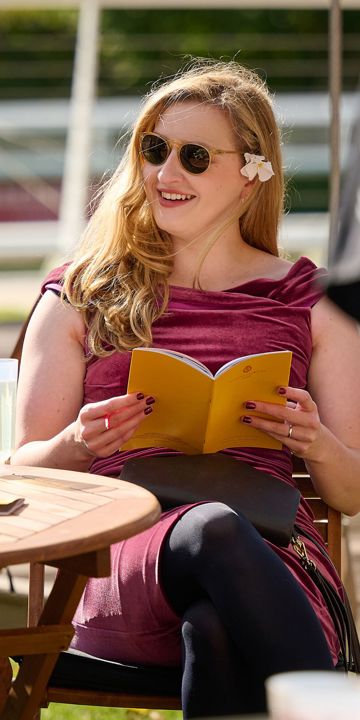
Why does everyone wear hats?
One Summer, King Edward VII turned his back on the traditional morning suit, and donned a linen suit and Panama hat. Thus the Glorious Goodwood trend was born.
-
Food and Drink
-
Owners & Trainers
-
Racecourse Membership
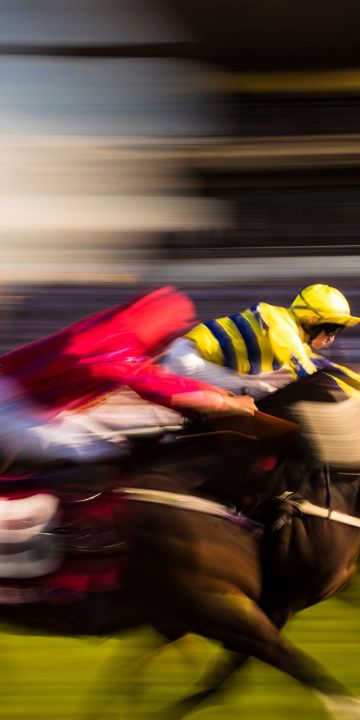
"Glorious Goodwood"
The first public race meeting took place in 1802 and, through the nineteenth century, ‘Glorious Goodwood,’ as the press named it, became a highlight of the summer season
-
FAQs
-
Accessibility
-
Tickets & Packages
-
Experiences
-
Driving
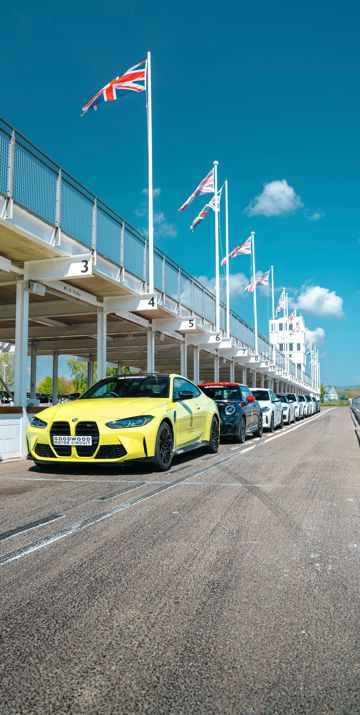

Spectators Favourite
Spectate from the chicane at the Revival to see plenty of classic cars going sideways as they exit this infamous point of our Motor Circuit.
-
Flying
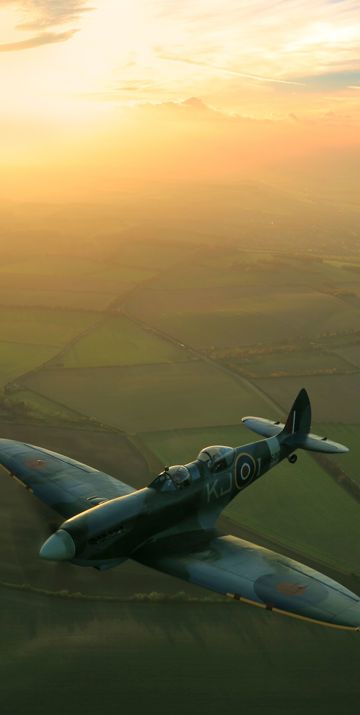

Flying Elephant
The first thing ever dropped at Goodwood was a cuddly elephant which landed in 1932 just as the 9th Duke of Richmonds passion for flying was taking off.
-
Golf

Over 100 years of Golf
The first ever round of golf played at Goodwood was in 1914 when the 6th Duke of Richmond opened the course on the Downs above Goodwood House.
-
Shooting
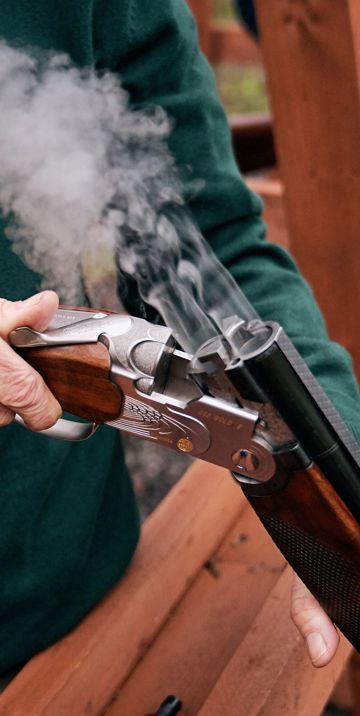

Grogger
Easy boy! The charismatic Farnham Flyer loved to celebrate every win with a pint of beer. His Boxer dog, Grogger, did too and had a tendancy to steal sips straight from the glass.
-
Afternoon Tea
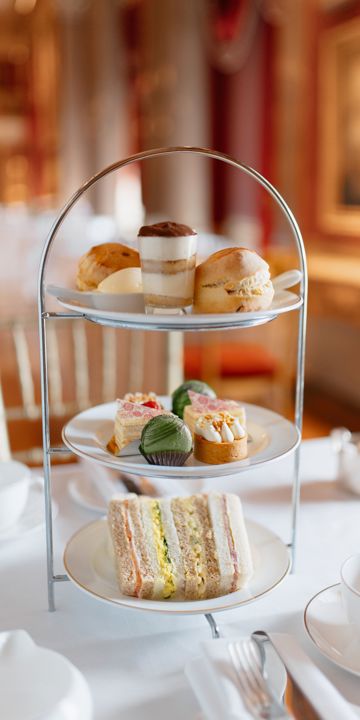
During the war...
The Motor Circuit was known as RAF Westhampnett, active from 1940 to 1946 as a Battle of Britain station. -
Corporate Wellbeing
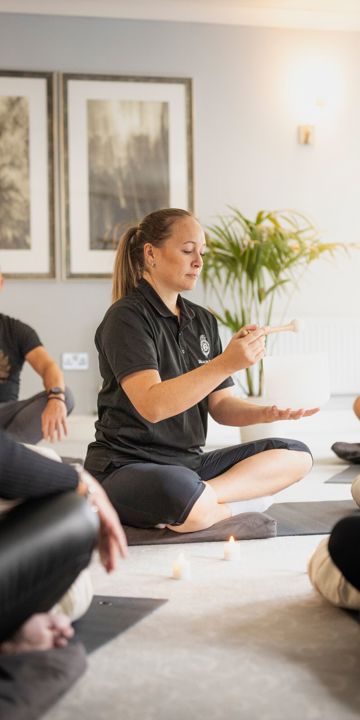
Goodwood's first Health Summit...
...took place in 2023 with industry experts discussing nutrition costs and food systems for a healthier future. -
Cycling
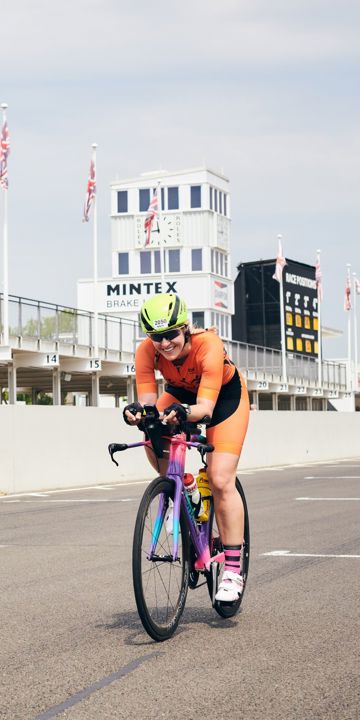

Motorsport Since 1948
Goodwood Motor Circuit was officially opened in September 1948 when Freddie March, the 9th Duke and renowned amateur racer, tore around the track in a Bristol 400
-
Corporate Experiences
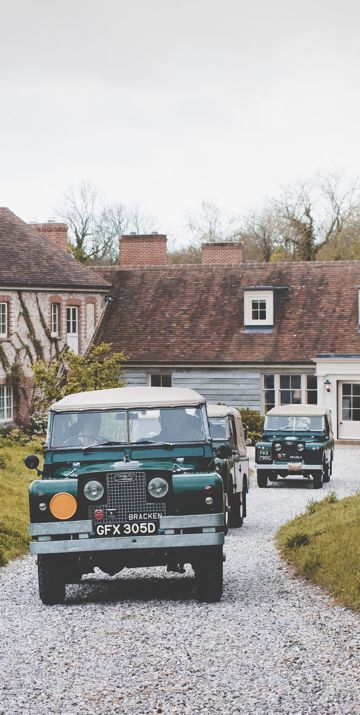
Where else can you...
...plan strategy in an ancient woodland, enjoy award-winning dining then drive around a -racetrack? -
Spa Treatments
-
Driving
-
Golf
-
Golf Courses
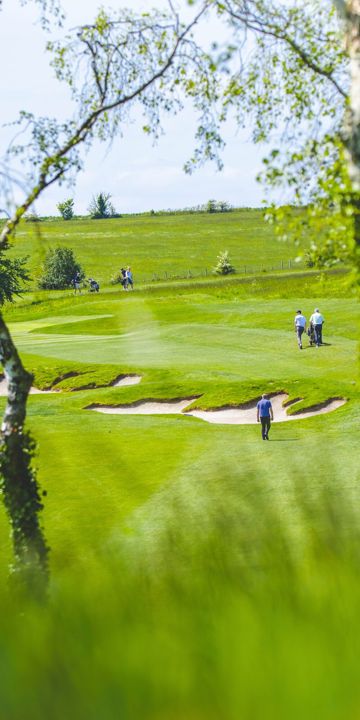

A sporting Estate
Goodwood has two 18-hole championship courses, a modern clubhouse and an impressive Academy. -
Golf Membership
-
Credit Membership
-
Application Form
-
Intermediate Membership
-
Junior Membership
-
Corporate Membership
-
Copse Membership
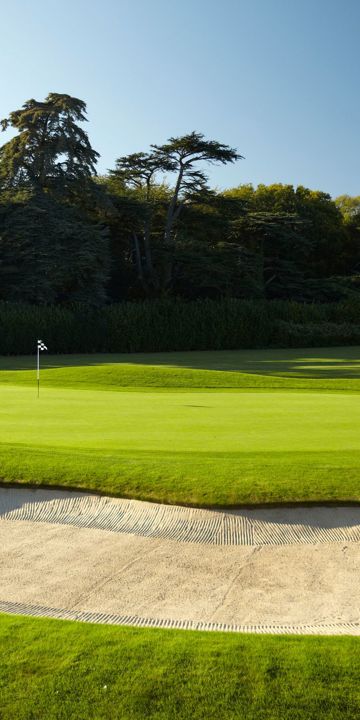
Over 100 years of Golf
The first ever round of golf played at Goodwood was in 1914 when the 6th Duke of Richmond opened the course on the Downs above Goodwood House.
-
Credit Membership
-
The Academy
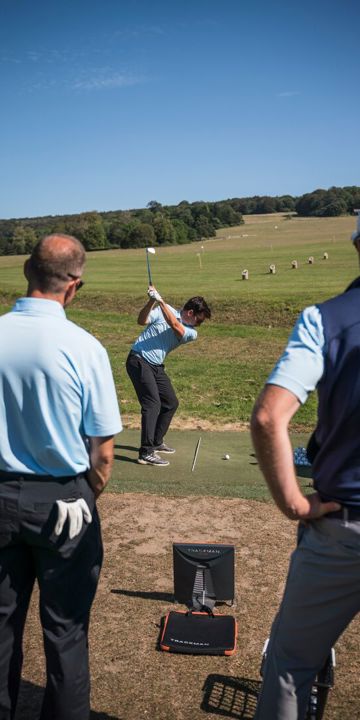

Braid’s Masterpiece
One of the greatest golfers of all time, James Braid designed Goodwood’s iconic Downland course, opened in 1914.
-
Golf Experiences
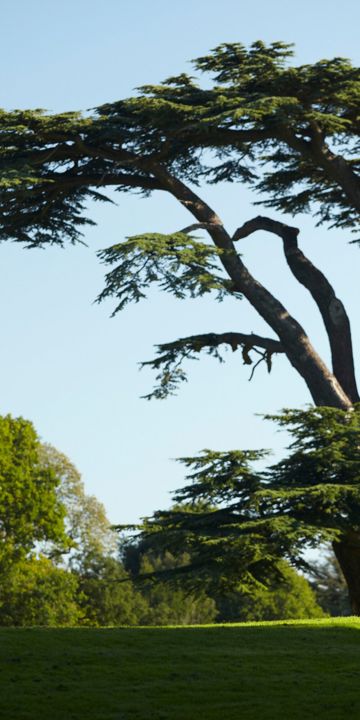
Braid’s Masterpiece
One of the greatest golfers of all time, James Braid designed Goodwood’s iconic Downland course, opened in 1914.
-
Golf Courses
-
Flying
-
Flying School
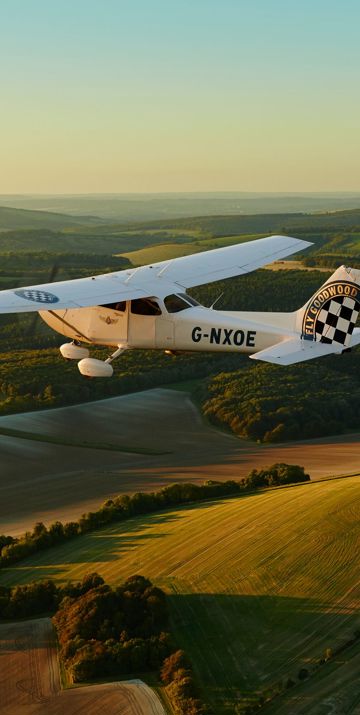

During the war...
The Motor Circuit was known as RAF Westhampnett, active from 1940 to 1946 as a Battle of Britain station.
-
Aero Club Membership
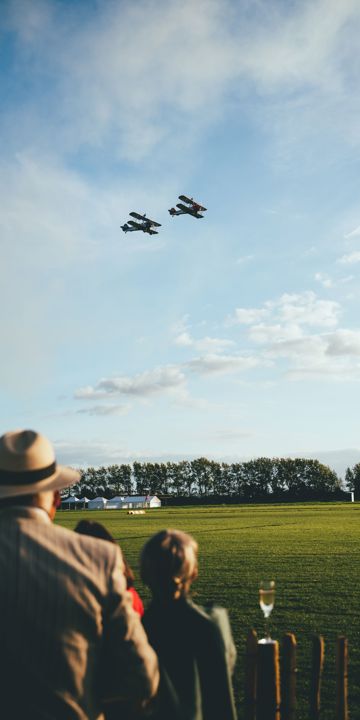

Ace Pilot
Ray Hanna famously flew straight down Goodwood’s pit straight below the height of the grandstands at the first Revival in 1998
-
Flying Experiences
-
Pilot Information
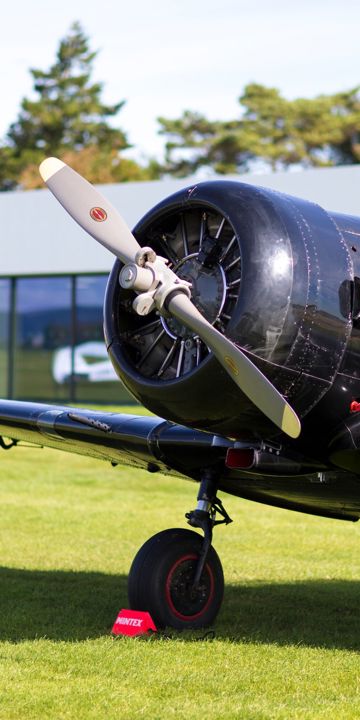

Battle of Britain
Flying training began at Goodwood in 1940 when pilots were taught operational flying techniques in Hurricanes and Spitfires.
-
Flying School
-
Meetings
-
Venue Hire
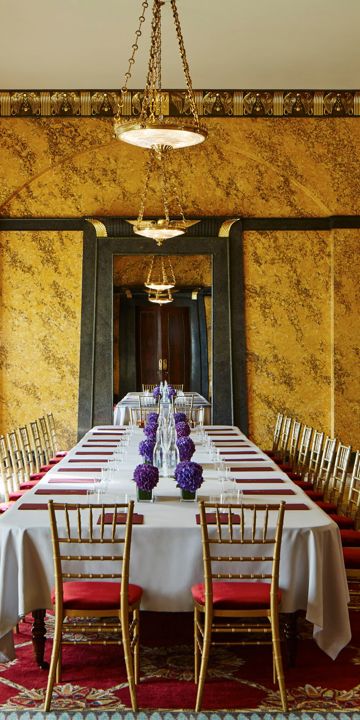
Where else can you...
...plan strategy in an ancient woodland, enjoy award-winning dining then drive around a -racetrack? -
Hospitality
-
Corporate Experiences
Where else can you...
...plan strategy in an ancient woodland, enjoy award-winning dining then drive around a -racetrack? -
Corporate Wellbeing
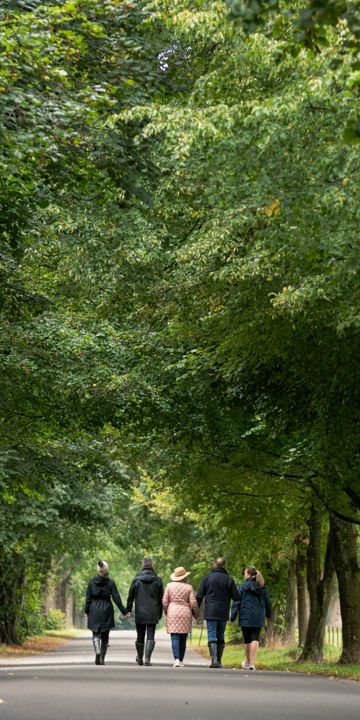
Goodwood's first Health Summit...
...took place in 2023 with industry experts discussing nutrition costs and food systems for a healthier future. -
Film Locations
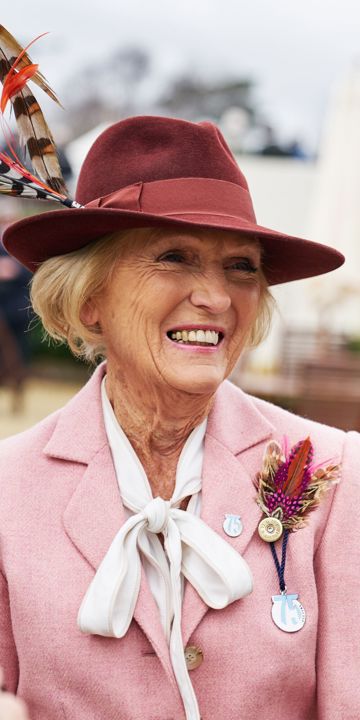
Where else can you...
...plan strategy in an ancient woodland, enjoy award-winning dining then drive around a -racetrack?
-
Venue Hire
-
Weddings
-
Goodwood House
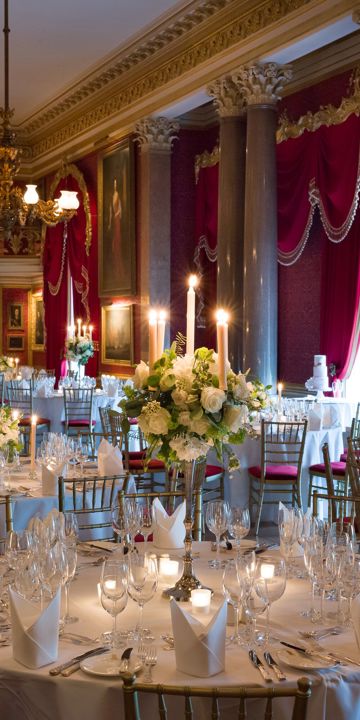

Georgian Ice House
Estate milk was once transformed into ice-creams, bombes, and syllabubs, and the Georgian ice house still stands in the grounds in front of Goodwood House.
-
The Kennels
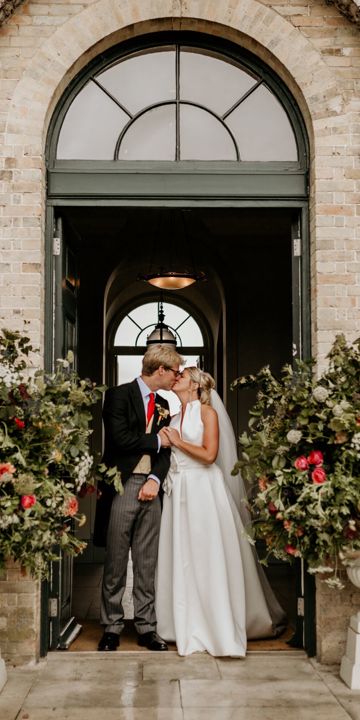

An exclusive clubhouse
As the private clubhouse for all of the Estate’s sporting and social members, it offers personal service and a relaxed atmosphere
-
The Goodwood Hotel
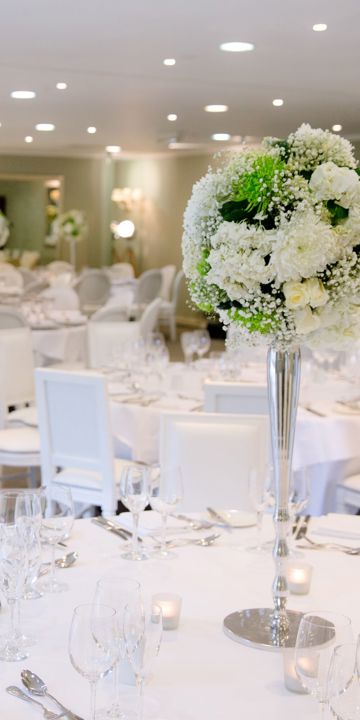

Advice from our Head Butler
Ensure you take a little time out together to pause and take in the celebration of all the hard work you put in will be a treasured memory.
-
Occasions
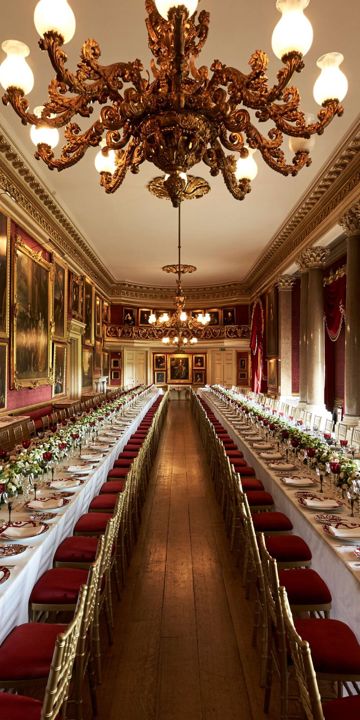
Where else can you...
...plan strategy in an ancient woodland, enjoy award-winning dining then drive around a -racetrack?
-
Goodwood House
-
Memberships
-
Goodwood Road Racing Club
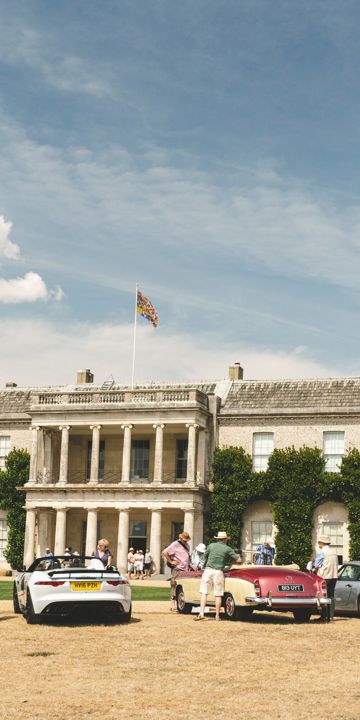

When was the GRRC founded?
Established in 1998 by the Duke of Richmond, the Goodwood Road Racing Club offers exclusive benefits across the estate year-round -
Goodwood Horseracing Club
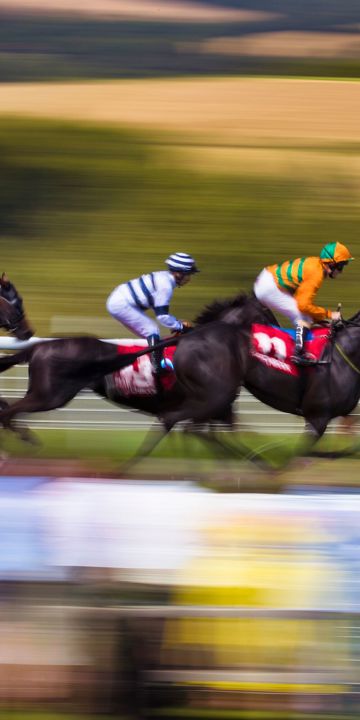
The Magnolia Cup
Leading women of business, sport, fashion and media, take part in one of the most exciting horseracing events in the world.
-
Golf At Goodwood
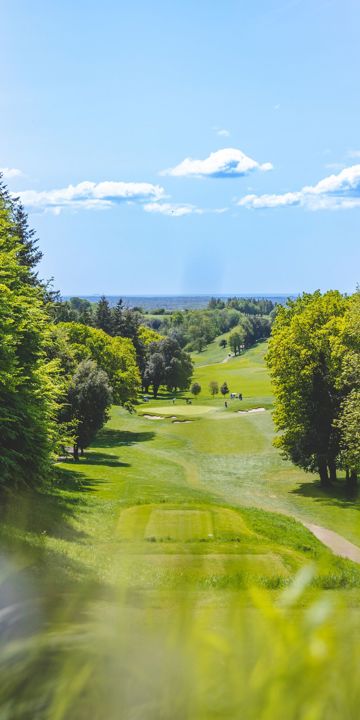
Over 100 years of Golf
The first ever round of golf played at Goodwood was in 1914 when the 6th Duke of Richmond opened the course on the Downs above Goodwood House.
-
Goodwood Aero Club

Flying with Goodwood
Come with us for an epic journey. -
Goodwood Health Club
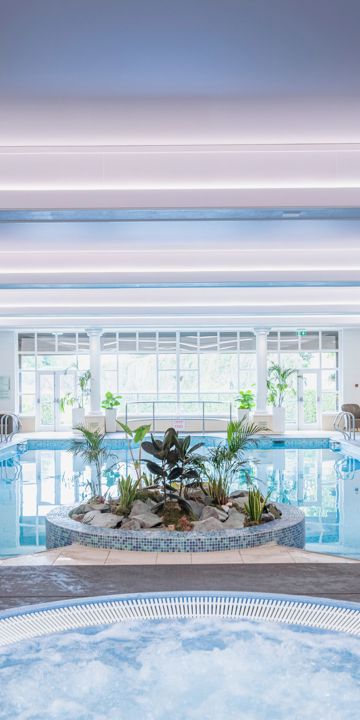
Goodwood's first Health Summit...
...took place in 2023 with industry experts discussing nutrition costs and food systems for a healthier future. -
The Kennels
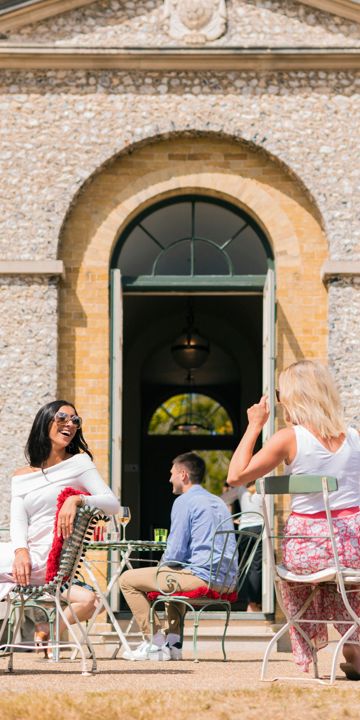
Fashionable foxhounds
The 1st Duke of Richmond bought Goodwood in 1697 as a place to stay to go foxhunting with the fashionable Charlton Hunt. -
Sporting Membership
Estate Crest
"En la rose je fleurie" or "Like the rose, I flourish" is part of the Richmond coat of Arms and motto
-
Goodwood Racehorse Owners Group
-
Goodwood Road Racing Club
- Classic Car Insurance
- Health & Wellbeing
- Shop
-
Our Estate
-
Stories from the Estate
Battle of Britain
Flying training began at Goodwood in 1940 when pilots were taught operational flying techniques in Hurricanes and Spitfires.
-
Goodwood Education Trust
Carne's Seat
Just beyond Goodwood House along the Hillclimb, the 2nd Dukes banqueting house was also known as "one of the finest rooms in England" (George Vertue 1747).
-
Charities

Roots for the future
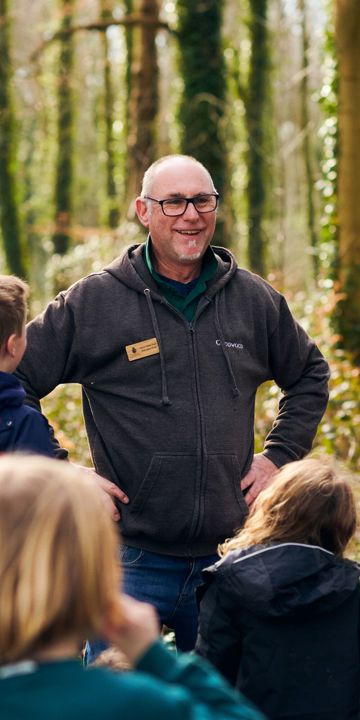
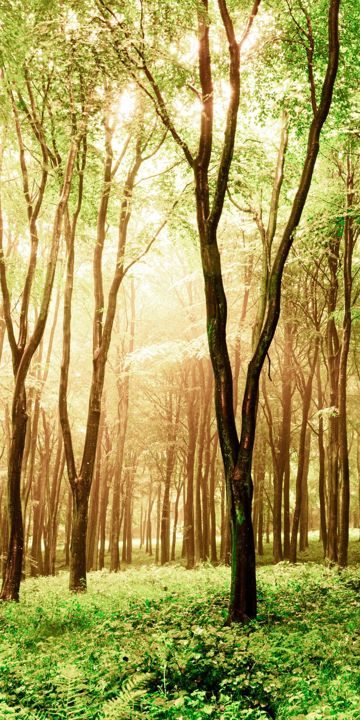
A 20m woodland rue, from Halnaker to Lavant, was planted by our forestry teams & volunteers, featuring native species like oak, beech, & hornbeam
-
Sustainability
Estate Crest
"En la rose je fleurie" or "Like the rose, I flourish" is part of the Richmond coat of Arms and motto
-
Diversity, Equity & inclusion
-
Property
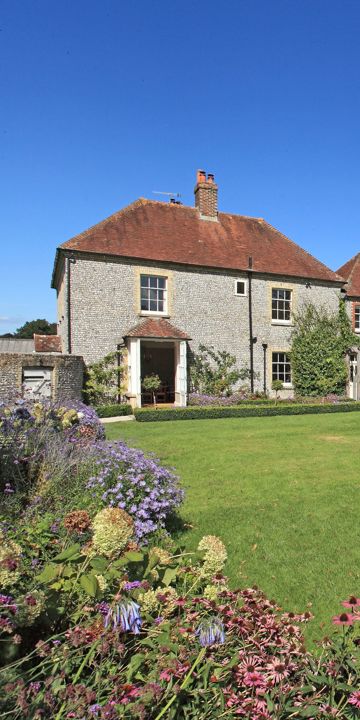

A different breed...
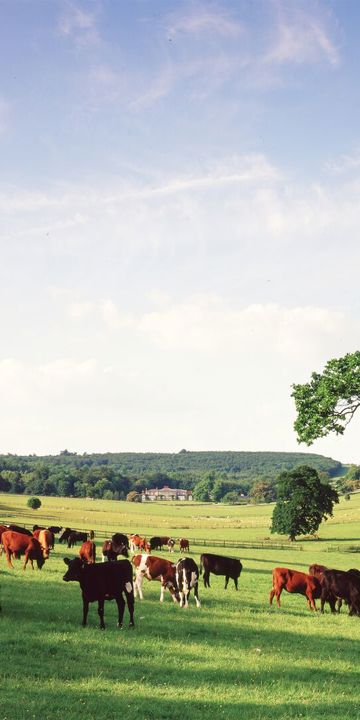
Goodwood’s pigs are a mix of two rare breeds (Gloucester Old Spots and Saddlebacks) plus the Large White Boar.
-
Estate Map
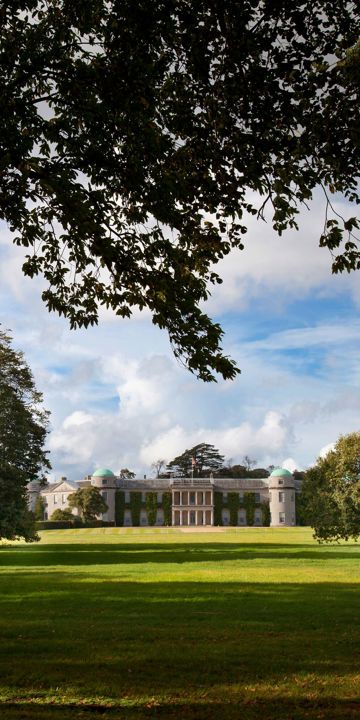
During the war...
The Motor Circuit was known as RAF Westhampnett, active from 1940 to 1946 as a Battle of Britain station. -
Walking Guide
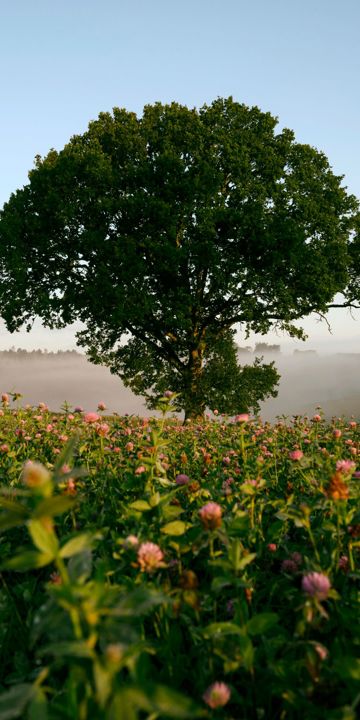

The Silver Spitfire
The iconic spitfire covered almost 43,000 kilometres and visited over 20 countries on its epic journey and currently resides at our Aerodrome.
-
Careers

Carne's Seat
Just beyond Goodwood House along the Hillclimb, the 2nd Dukes banqueting house was also known as "one of the finest rooms in England" (George Vertue 1747).
-
Goodwood Art Foundation
-
What's on
-
Stories from the Estate


World Environment Day
Today is World Environment Day and this year’s theme Generation Restoration focuses on three pivotal areas: Land Restoration, Combatting Desertification, and Enhancing Drought Resilience.
We are taking a moment to raise awareness about the critical environmental challenges that face our natural world, and to share some of the efforts we are making across Goodwood Estate to combat these challenges and preserve our beautiful landscape.
sustainability
Land Restoration: Healing and Rejuvenating Our Landscape
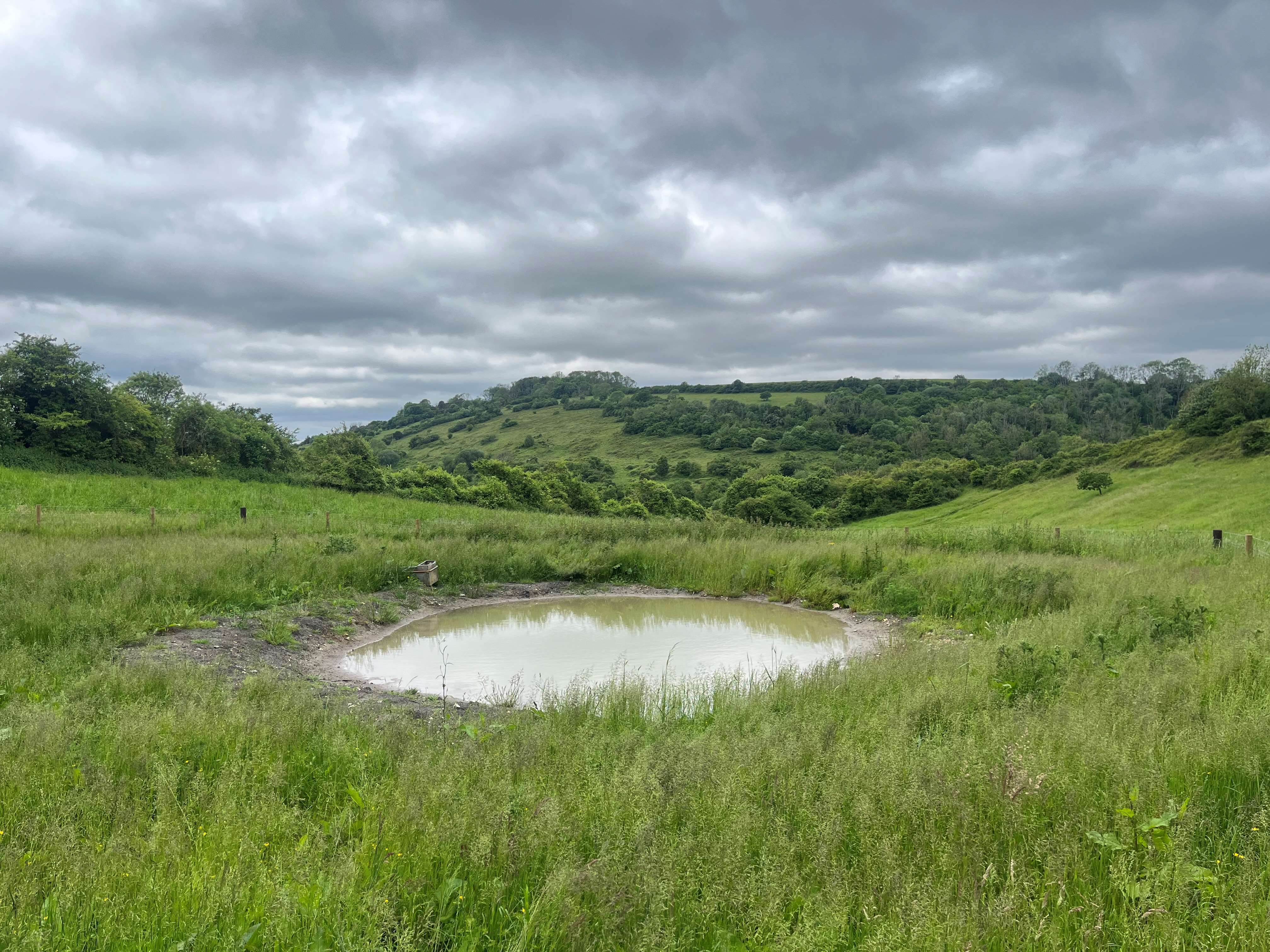
Our innovative pond creation project has been a remarkable success, thanks to the hard work of the Goodwood pigs. Over the last few months, these diligent animals have transformed the estate’s landscape by employing a traditional ‘gleying’ technique. This project, allows the pigs to create a natural seal for the pond by mixing layers of straw, manure, organic material, and clay. After just six weeks, the new pond displayed impressive water levels without the need for artificial liners.
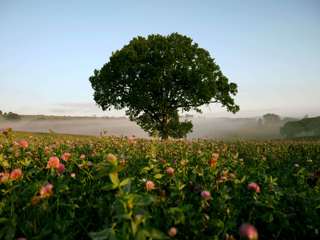
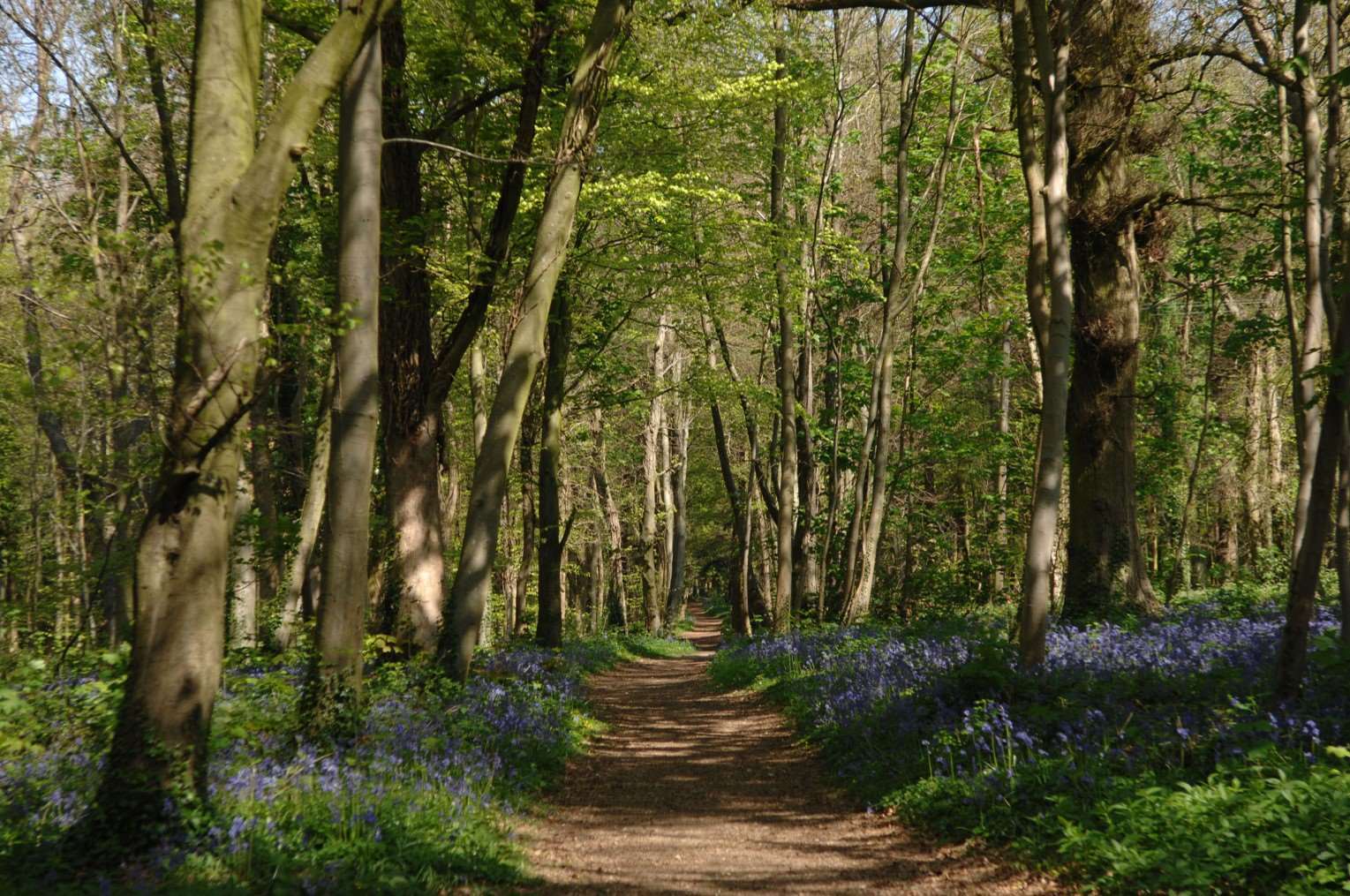
The estate has dedicated areas to nature recovery; such as the Nature Reserve at Levin Down, our three SSSI sites and our rewilding area. Each site with a varying degree of management, gives nature a chance to recover, restore and reestablish functional ecosystems. For example, our rewilding site, previously a quarry, was backfilled with the soil excavated from surrounding housing development sites. It has gone from strength to strength, the bare soil is now carpeted with many botanical species from marsh grasses to teasels and supports ground nesting bird species such as snipe and lapwings, to smaller seed eating birds like goldfinches, whilst benefitting multiple pollinators. Furthermore, in less than three years of the land use change, we discovered multiple species of orchids. Not only does land restoration improve biodiversity, it also reduces the risk of flooding, soil erosion and nutrient run off, to name a few.
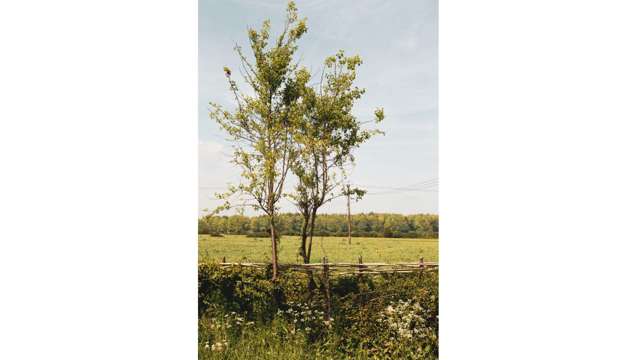
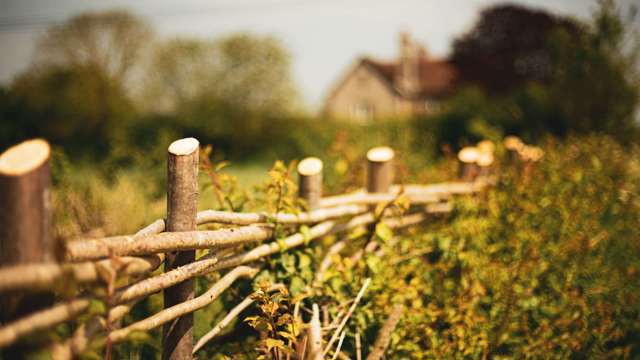
Our three-year hedgerow planting plan has been completed, with nearly 900 meters of hedgerow species planted across various parts of the estate and over 800m of hedgerow laid and rejuvenated. Hedgerows form the largest wildlife habitat in the UK, acting as crucial connectors between fragmented habitats. They provide sanctuary and food for a diverse array of flora and fauna, from mammals and insects to birds and bats. These green corridors also protect livestock from harsh weather and enhance soil health.
Desertification: Planting for the Future
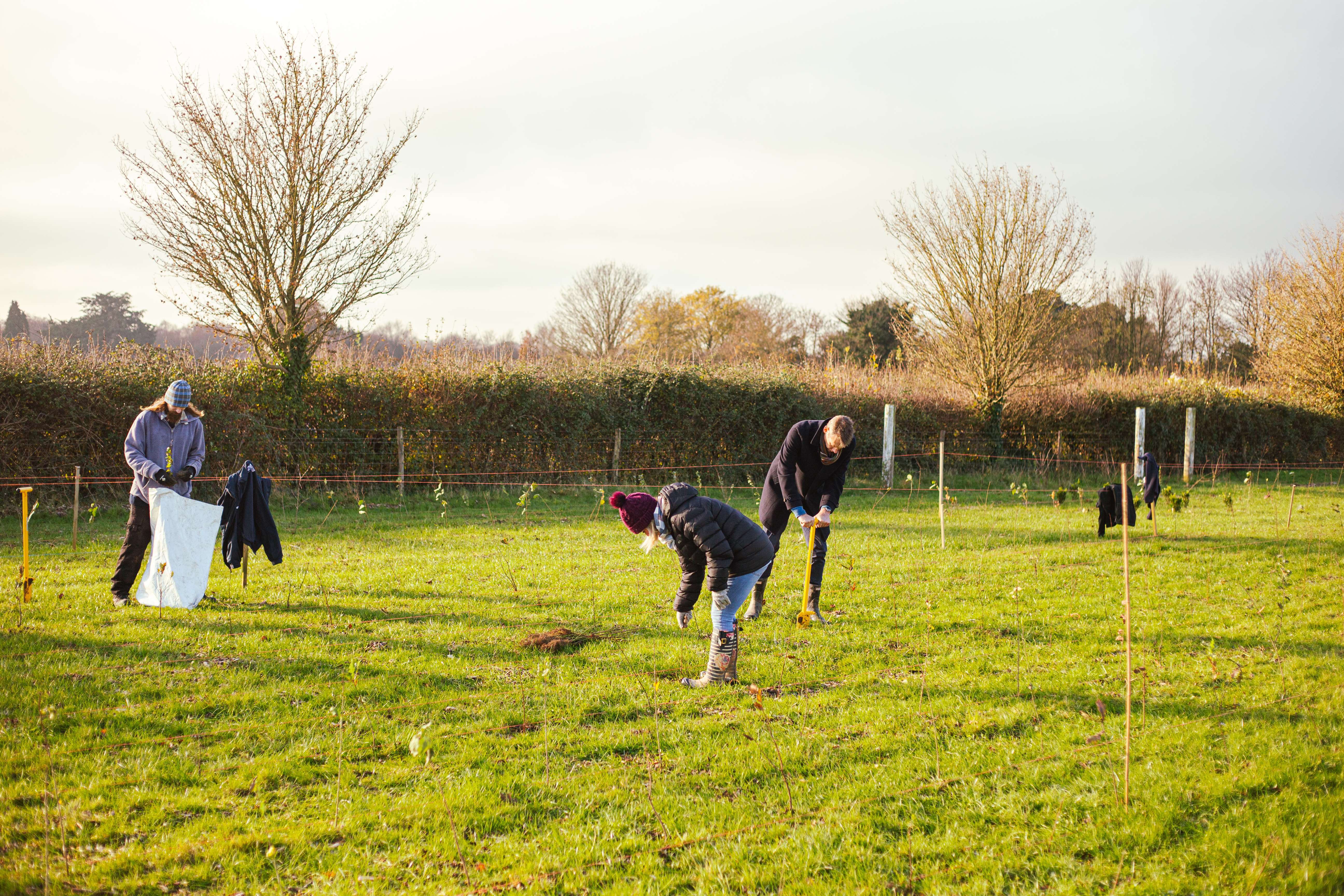
Since 2019, our tree planting scheme has resulted in 177,550 new trees across the estate. In recent years by planting trees without tubes or stakes, the estate was able to plant up to 3,700 trees per hectare. By planting this way, we account for natural factors like deer damage, drought, or pests, ensuring the survival of most trees without relying on non-biodegradable materials. This approach has saved 27,600 plastic tree guards from being used over the past year.
In addition to tree planting, our riparian bunds help to reduce the speed in which water reaches the river, so that the river banks are able to cope during periods of high rainfall, preventing erosion, sedimentation and reducing the risk of flooding in surrounding villages. These zones connect terrestrial and aquatic ecosystems, supporting their health and resilience. Our work in these areas is crucial for maintaining the delicate balance of our natural habitats.
The farm also continues to grow cover crops to improve the soil structure, reduce soil erosion, the leaching of nutrients and runoff. A cover crop will break up the ground with roots to encourage water uptake and allow water to permeate into the soil. Additionally, soils become nutrient deficient when left uncovered as they are exposed to the elements; in periods of high rainfall, the soil itself, nitrogen and other essential minerals will run off the fields contaminating local water courses. Having a cover crop retains these minerals in the soil and makes nutrients more readily available for future crops
Drought Resilience
The Goodwood Forestry team has installed rainwater harvesting systems on buildings within the forestry yard, and tenants across the estate have followed suit. This stored water will be invaluable during the dry summer months, reducing our overall water usage and helping us manage water scarcity more effectively.
Our Golf at Goodwood teams have created an ecology plan in which they highlighted ‘drought’ as an increasing risk. To combat this, the team planted drought resistant grasses across the courses ensuring resilience against climate change and reducing dependency on irrigation during summer months.
As an estate, we are proud of the steps we are taking to protect our environment and preserve the natural beauty of our landscape. Through land restoration, combatting desertification, and enhancing drought resilience, we are committed to making a positive impact on the planet for future generations.
sustainability