-
Events
-
Festival of Speed
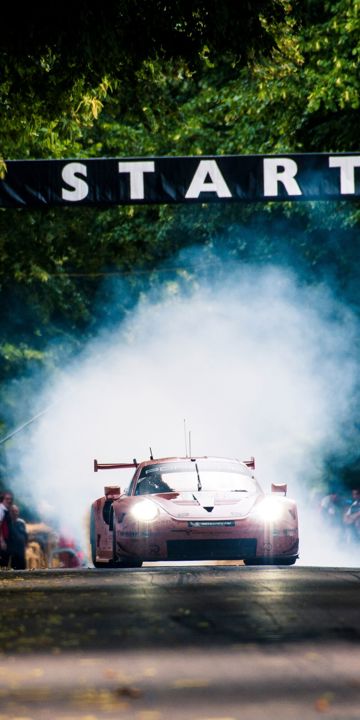

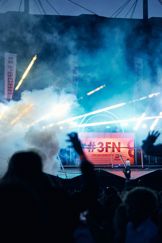
A bright future at #FOS
Future Lab is Goodwood's innovation pavilion, inspiring industry enthusiasts and future scientists with dynamic tech
-
Goodwood Revival
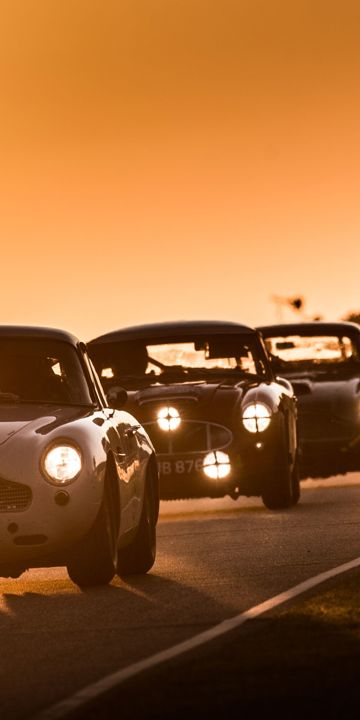

"Mr Goodwood"
Sir Stirling Moss was one of the founding patrons of the Festival of Speed, and a regular competitor at the Revival.
-
Members' Meeting
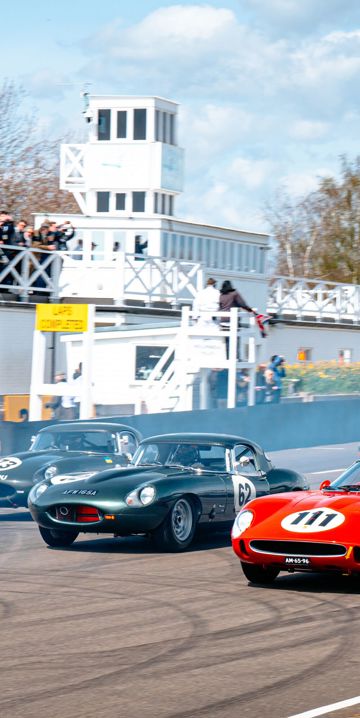

More than motorsport...
Ferret racing and duck herding are two of the many off-track activities at Members' Meeting -
Qatar Goodwood Festival


"Glorious Goodwood"
The first public race meeting took place in 1802 and, through the nineteenth century, ‘Glorious Goodwood,’ as the press named it, became a highlight of the summer season
-
Goodwoof
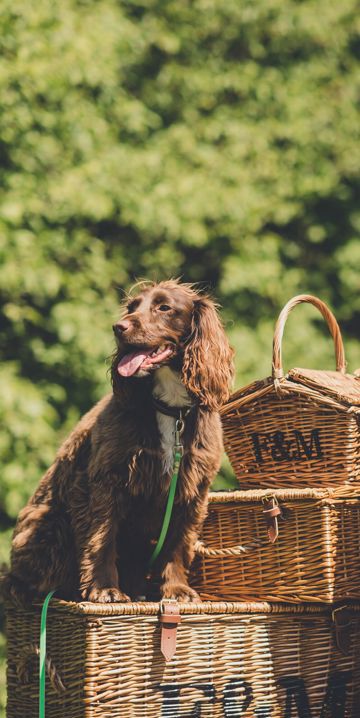

Start in style
The breed parade sees hundreds of dogs and their owners walk from Goodwood House down to The Kennels to kick start the Goodwoof weekend. -
Horseracing
-
Season Opener
-
May Festival
-
Family Race Day
-
Three Friday Nights
-
August Bank Holiday
-
Midweek Racing
-
Season Finale
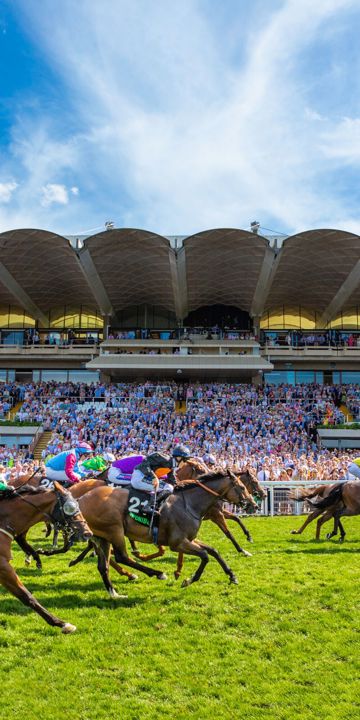

Racing Colours
The red & yellow of the Racecourse can be traced back hundreds of years, even captured in our stunning Stubbs paintings in the Goodwood Collection
-
Season Opener
-
Breakfast Club
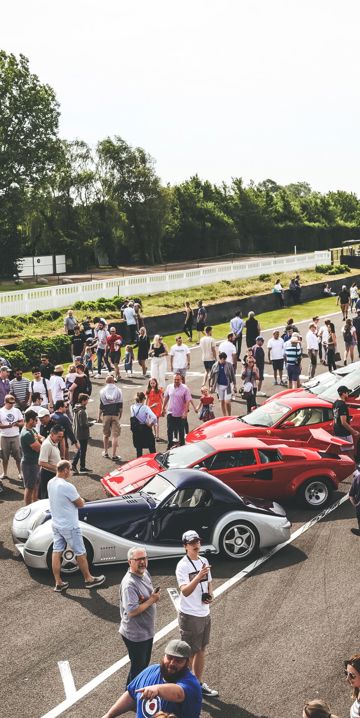

A perfect Sunday morning?
A no-cost, all-welcome motoring show where the visitors and their machines are the stars -
Hospitality
-
Exhibiting
-
Partnerships
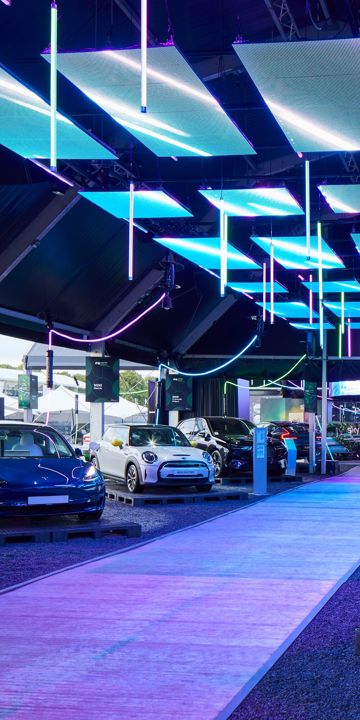

Where else can you...
...plan strategy in an ancient woodland, enjoy award-winning dining then drive around a -racetrack? -
What's on
-
Festival of Speed
-
Visit, Eat, Stay
-
The Goodwood Hotel

During the war...
The Motor Circuit was known as RAF Westhampnett, active from 1940 to 1946 as a Battle of Britain station. -
Goodwood Cottages

Levin Down Gin
Our gin uses wild-grown botanicals sourced from the estate, and is distilled with mineral water naturally chalk-filtered through the South Downs.
-
Goodwood House
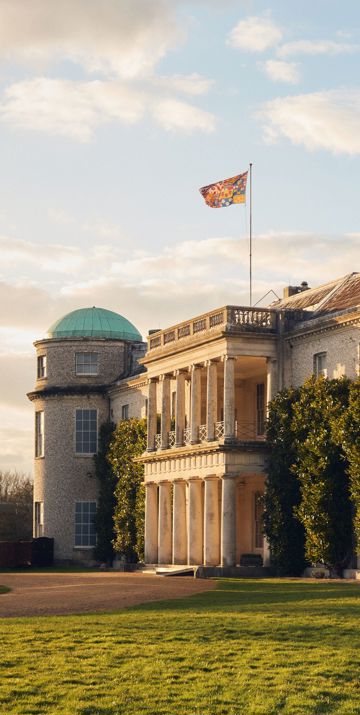

Our Paintings Collection
The origins of the collection lay in the possessions of Louise de Keroualle, Duchess of Portsmouth, and Duchess of Aubigny in France, to whom some of the paintings originally belonged.
-
Restaurants
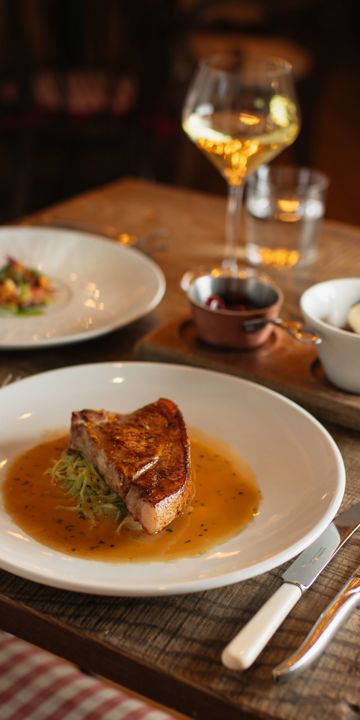

Sustainable state-of-mind
When Farmer, Butcher, Chef opened in 2016 it was awarded the UK’s first-ever Royal Academy of Culinary Arts ‘Sustainable Food Philosophy Seal’. -
The Kennels
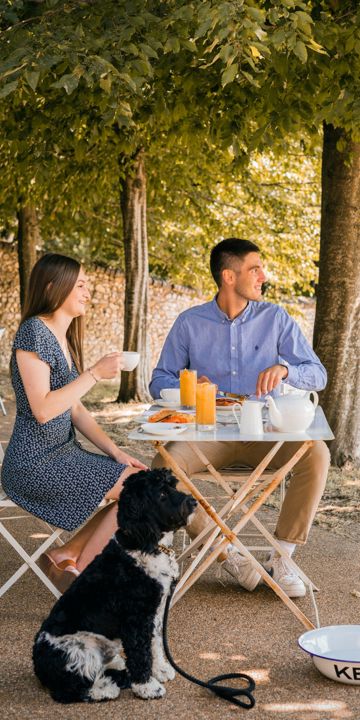

Fashionable foxhounds
The 1st Duke of Richmond bought Goodwood in 1697 as a place to stay to go foxhunting with the fashionable Charlton Hunt. -
Motor Circuit
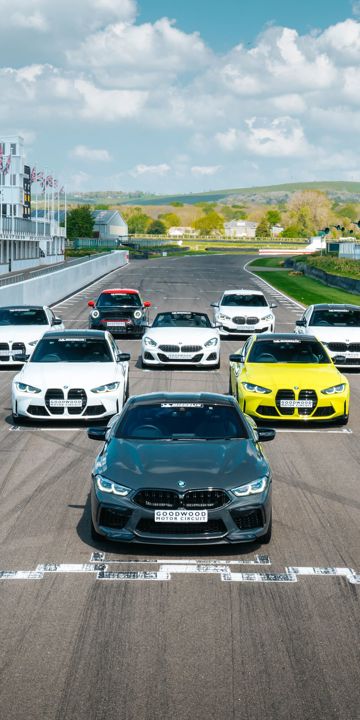
During the war...
The Motor Circuit was known as RAF Westhampnett, active from 1940 to 1946 as a Battle of Britain station. -
Health & Wellbeing
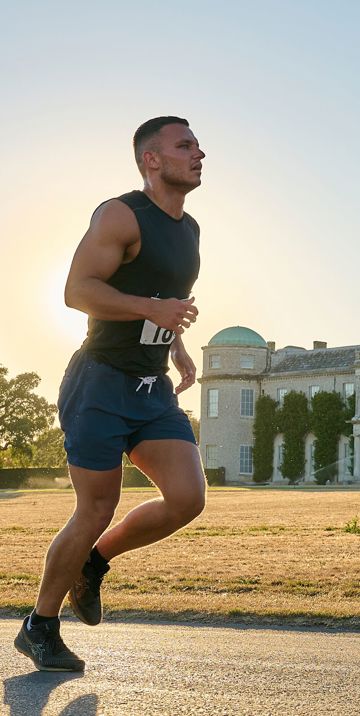

Goodwood's first Health Summit...
...took place in 2023 with industry experts discussing nutrition costs and food systems for a healthier future. -
Hound Lodge
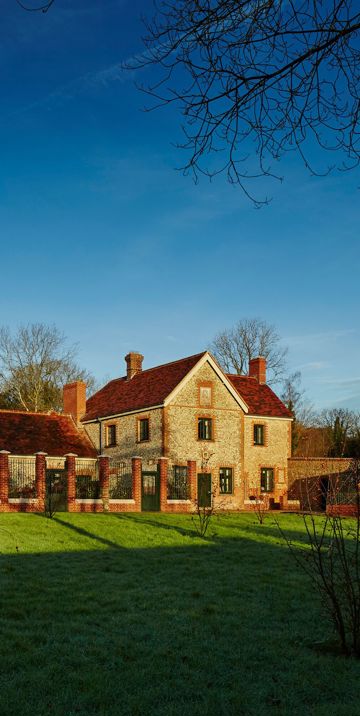

What's the best room?
Dido is traditionally for the host, but every single room is designed with personal touches from Cindy Leveson and the Duke & Duchess of Richmond.
-
Goodwood Farm Shop
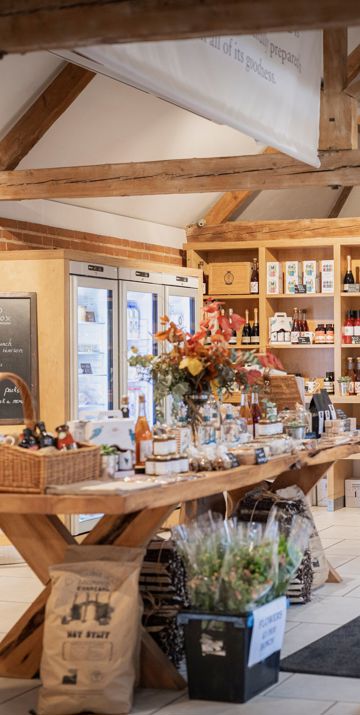

Lucky Leap
Inspired by the legendary racer, Masten Gregory, who famously leapt from the cockpit of his car before impact when approaching Woodcote Corner in 1959.
-
Occasions
-
Goodwood Art Foundation
-
The Goodwood Hotel
-
Motorsport
-
Festival of Speed
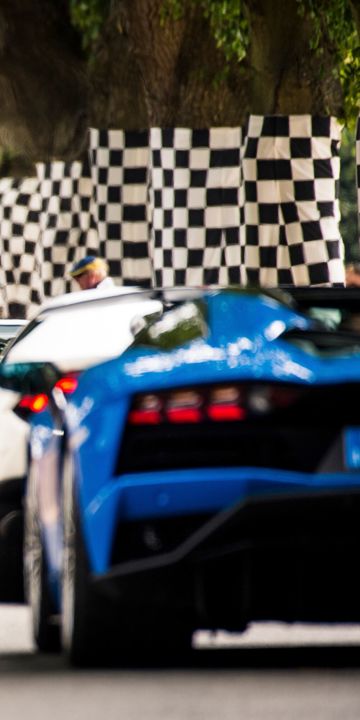

Style et Luxe
Found on the lawn at FOS is the finest concours d'elegance in the world, where the most beautiful cars are presented
-
Goodwood Revival
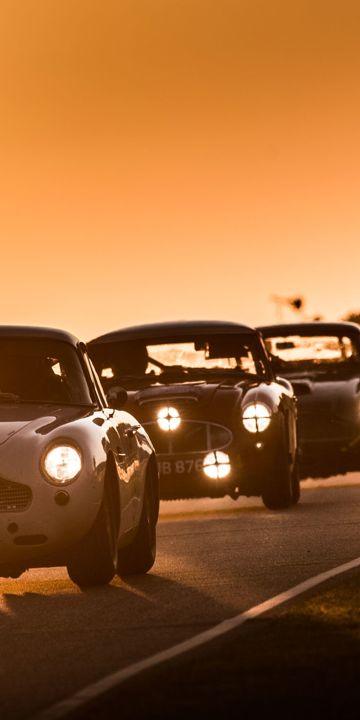

Earls Court replica
Our replica of the famous motor show showcases the "cars of the future" in true Revival style
-
Members' Meeting
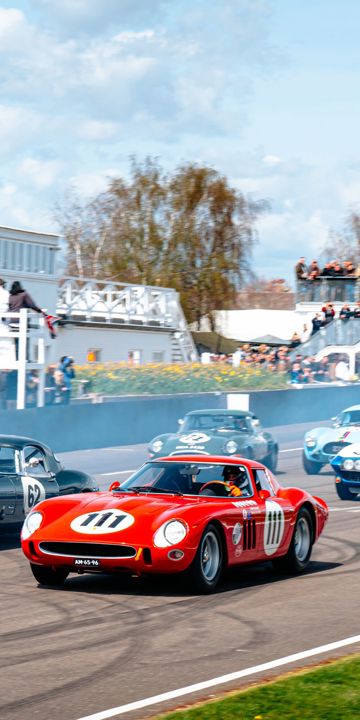
During the war...
The Motor Circuit was known as RAF Westhampnett, active from 1940 to 1946 as a Battle of Britain station. -
Breakfast Club
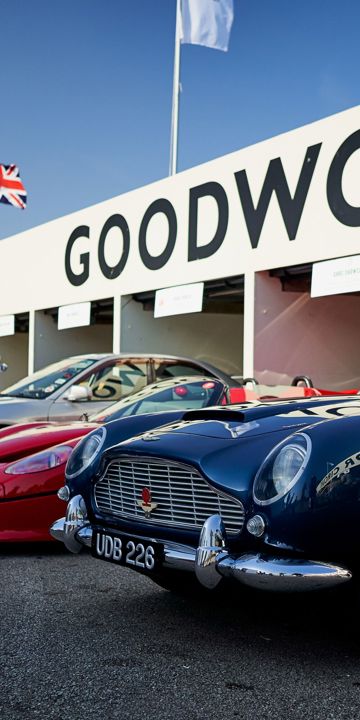
A bright future at #FOS
Future Lab is Goodwood's innovation pavilion, inspiring industry enthusiasts and future scientists with dynamic tech
-
Motor Circuit
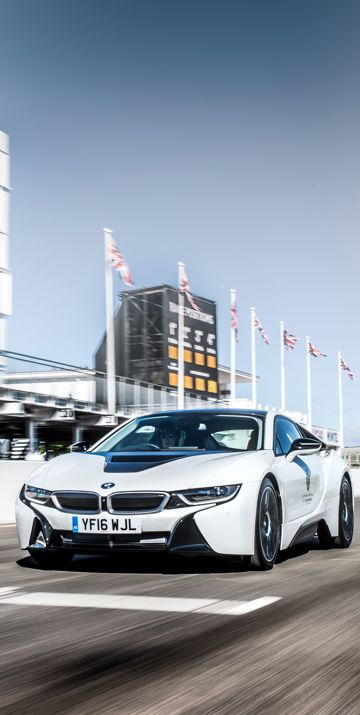

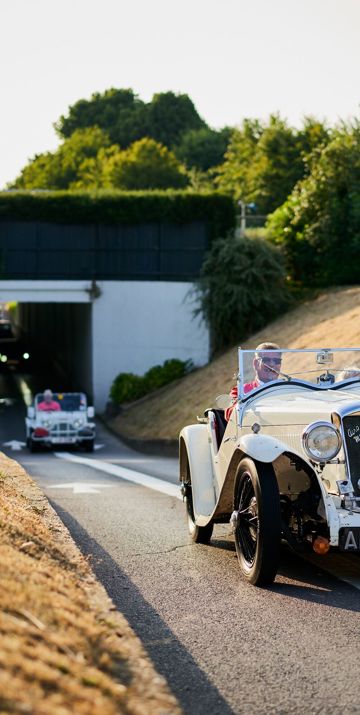
Have you visited our Forest Rally Stage?
From 2005 to present there has been a demonstration area for the rally cars at the top of the hill
-
Driving Experiences
"Mr Goodwood"
Sir Stirling Moss was one of the founding patrons of the Festival of Speed, and a regular competitor at the Revival.
-
Goodwood Road Racing Club
Have you visited our Forest Rally Stage?
From 2005 to present there has been a demonstration area for the rally cars at the top of the hill
-
Goodwood Road & Racing
-
Festival of Speed
-
Horseracing
-
Tickets & Packages
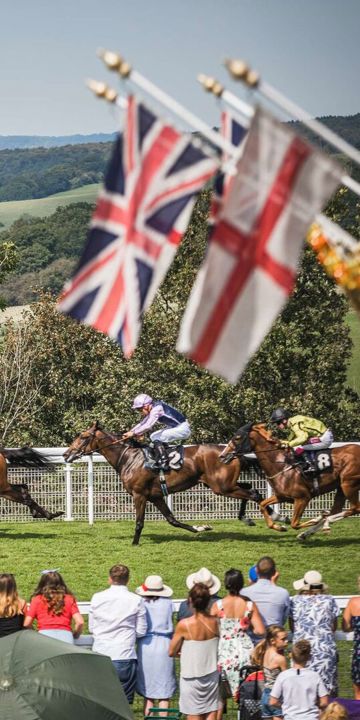
Racing Colours
The red & yellow of the Racecourse can be traced back hundreds of years, even captured in our stunning Stubbs paintings in the Goodwood Collection
-
Fixtures & Events
-
Season Opener
-
May Festival
-
Family Race Day
-
Three Friday Nights
-
Qatar Goodwood Festival
-
August Bank Holiday
-
Autumn Racing
-
Season Finale
Racing Colours
The red & yellow of the Racecourse can be traced back hundreds of years, even captured in our stunning Stubbs paintings in the Goodwood Collection
-
Season Opener
-
Qatar Goodwood Festival

The Magnolia Cup
Leading women of business, sport, fashion and media, take part in one of the most exciting horseracing events in the world.
-
Three Friday Nights
Racing Colours
The red & yellow of the Racecourse can be traced back hundreds of years, even captured in our stunning Stubbs paintings in the Goodwood Collection
-
Hospitality
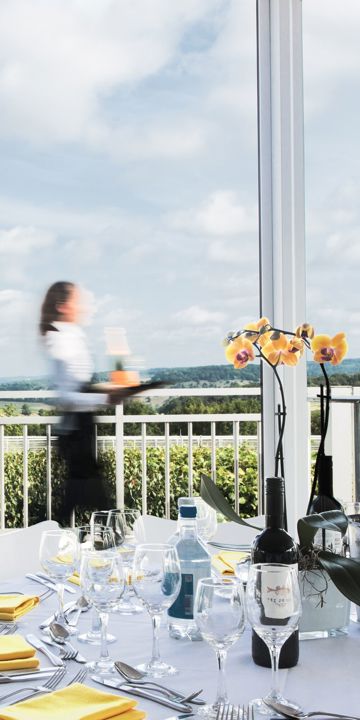

Why does everyone wear hats?
One Summer, King Edward VII turned his back on the traditional morning suit, and donned a linen suit and Panama hat. Thus the Glorious Goodwood trend was born.
-
Partners
-
Plan Your Day
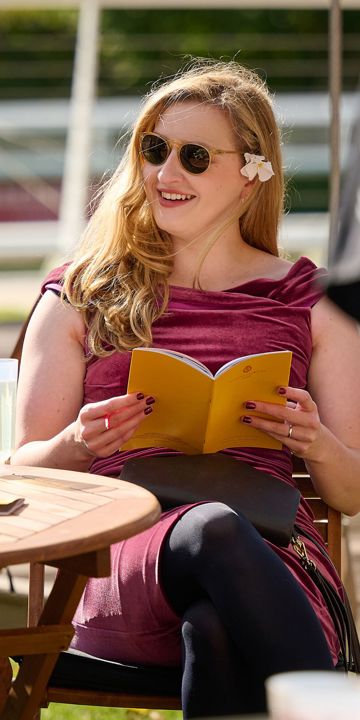
Why does everyone wear hats?
One Summer, King Edward VII turned his back on the traditional morning suit, and donned a linen suit and Panama hat. Thus the Glorious Goodwood trend was born.
-
Food and Drink
-
Owners & Trainers
-
Racecourse Membership
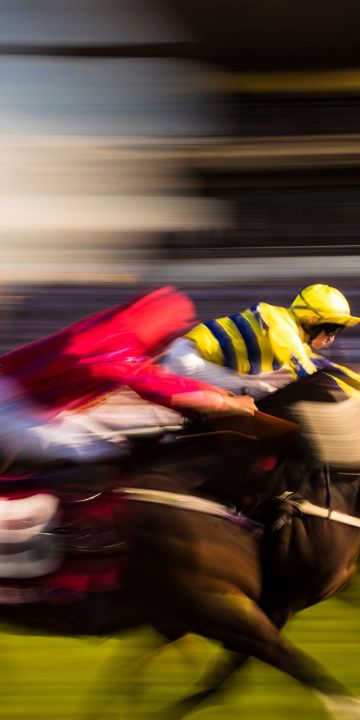
"Glorious Goodwood"
The first public race meeting took place in 1802 and, through the nineteenth century, ‘Glorious Goodwood,’ as the press named it, became a highlight of the summer season
-
FAQs
-
Accessibility
-
Tickets & Packages
-
Experiences
-
Driving
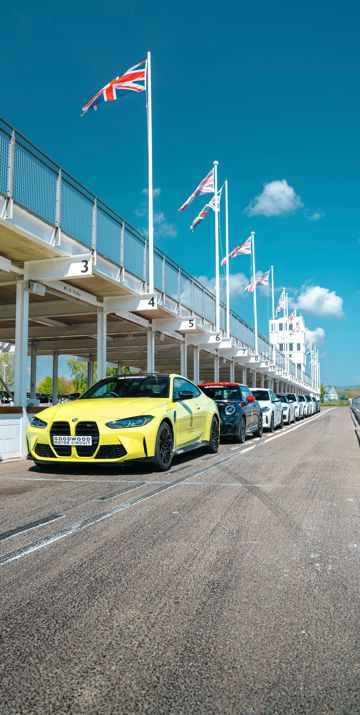

Spectators Favourite
Spectate from the chicane at the Revival to see plenty of classic cars going sideways as they exit this infamous point of our Motor Circuit.
-
Flying
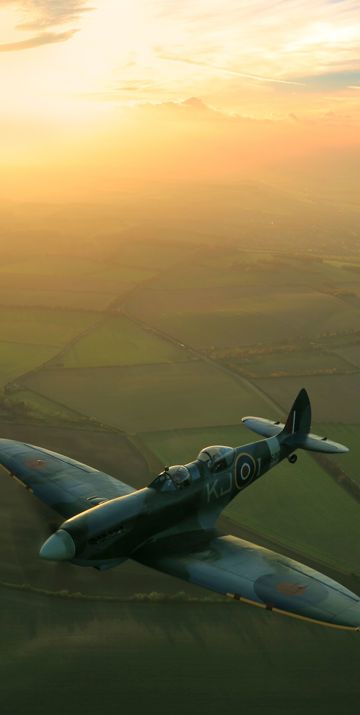

Flying Elephant
The first thing ever dropped at Goodwood was a cuddly elephant which landed in 1932 just as the 9th Duke of Richmonds passion for flying was taking off.
-
Golf

Over 100 years of Golf
The first ever round of golf played at Goodwood was in 1914 when the 6th Duke of Richmond opened the course on the Downs above Goodwood House.
-
Shooting
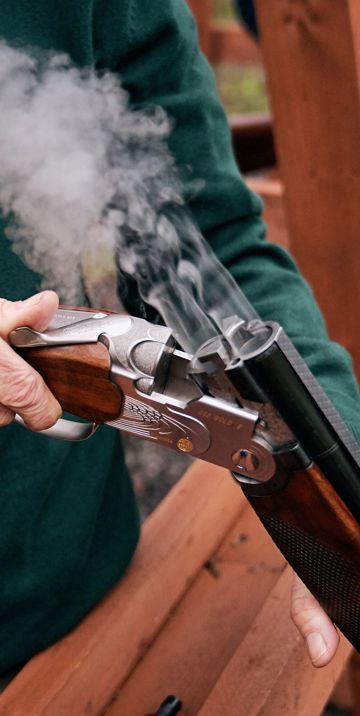

Grogger
Easy boy! The charismatic Farnham Flyer loved to celebrate every win with a pint of beer. His Boxer dog, Grogger, did too and had a tendancy to steal sips straight from the glass.
-
Afternoon Tea
During the war...
The Motor Circuit was known as RAF Westhampnett, active from 1940 to 1946 as a Battle of Britain station. -
Corporate Wellbeing
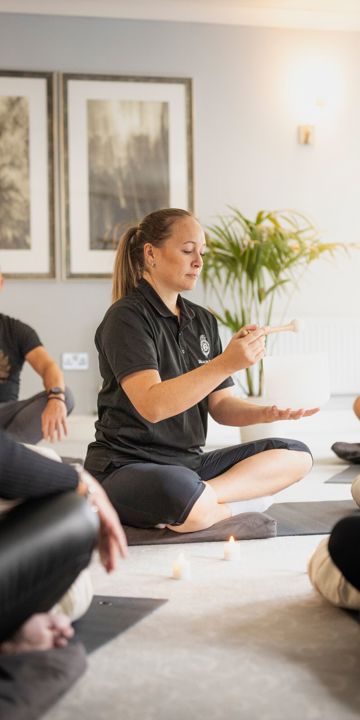
Goodwood's first Health Summit...
...took place in 2023 with industry experts discussing nutrition costs and food systems for a healthier future. -
Cycling
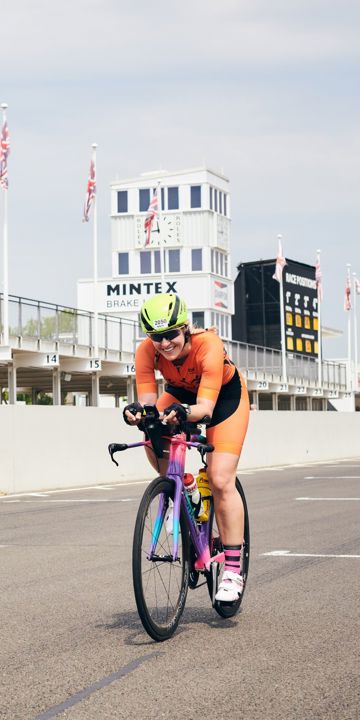

Motorsport Since 1948
Goodwood Motor Circuit was officially opened in September 1948 when Freddie March, the 9th Duke and renowned amateur racer, tore around the track in a Bristol 400
-
Corporate Experiences
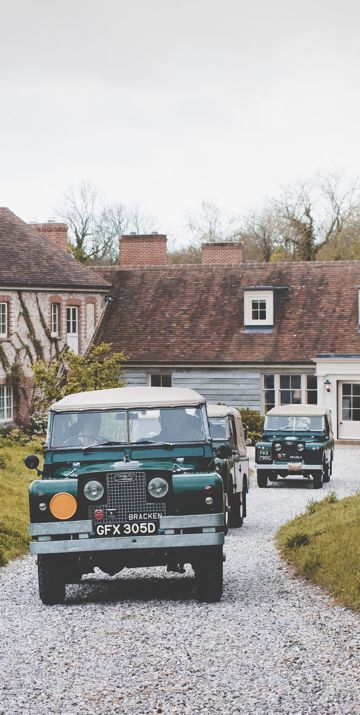
Where else can you...
...plan strategy in an ancient woodland, enjoy award-winning dining then drive around a -racetrack? -
Spa Treatments
-
Driving
-
Golf
-
Golf Courses
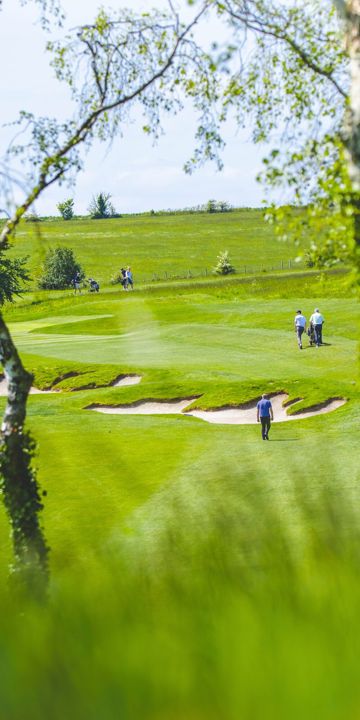

A sporting Estate
Goodwood has two 18-hole championship courses, a modern clubhouse and an impressive Academy. -
Golf Membership
-
Credit Membership
-
Application Form
-
Intermediate Membership
-
Junior Membership
-
Corporate Membership
-
Copse Membership
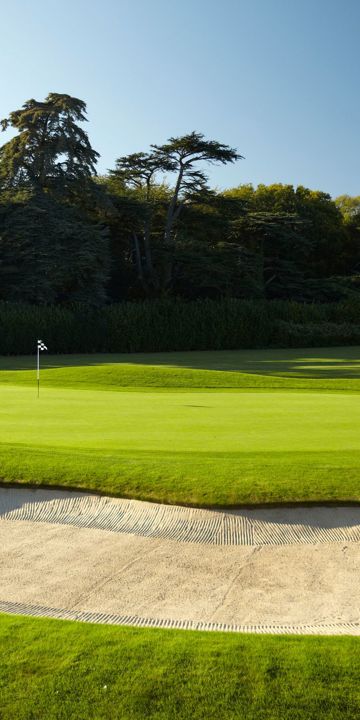
Over 100 years of Golf
The first ever round of golf played at Goodwood was in 1914 when the 6th Duke of Richmond opened the course on the Downs above Goodwood House.
-
Credit Membership
-
The Academy
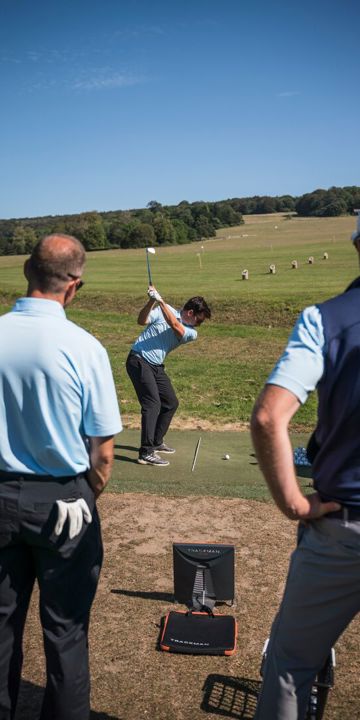

Braid’s Masterpiece
One of the greatest golfers of all time, James Braid designed Goodwood’s iconic Downland course, opened in 1914.
-
Golf Experiences
Braid’s Masterpiece
One of the greatest golfers of all time, James Braid designed Goodwood’s iconic Downland course, opened in 1914.
-
Golf Courses
-
Flying
-
Flying School
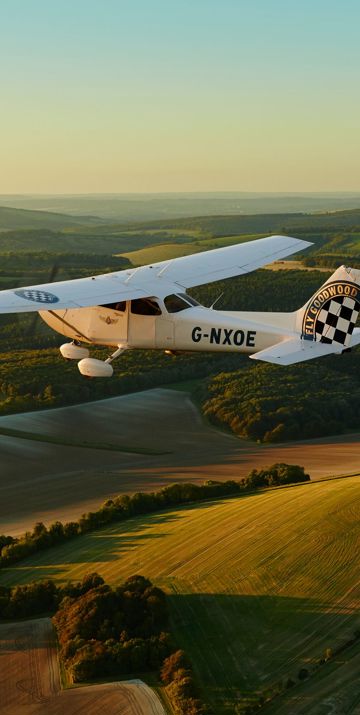

During the war...
The Motor Circuit was known as RAF Westhampnett, active from 1940 to 1946 as a Battle of Britain station.
-
Aero Club Membership
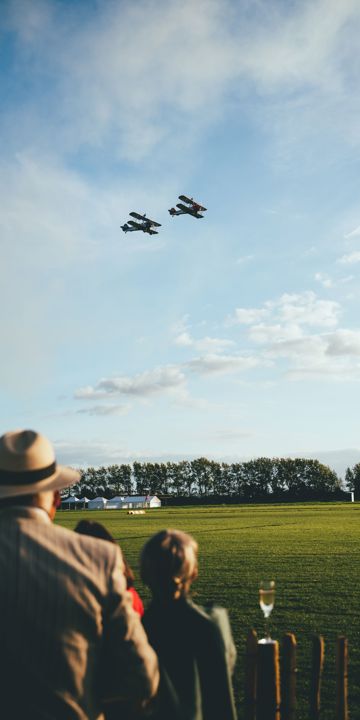

Ace Pilot
Ray Hanna famously flew straight down Goodwood’s pit straight below the height of the grandstands at the first Revival in 1998
-
Flying Experiences
-
Pilot Information
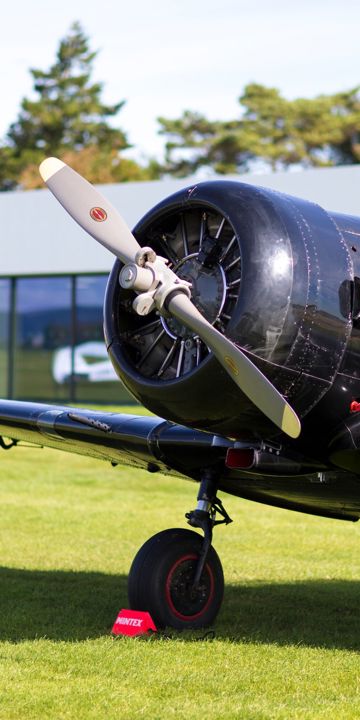

Battle of Britain
Flying training began at Goodwood in 1940 when pilots were taught operational flying techniques in Hurricanes and Spitfires.
-
Flying School
-
Meetings
-
Venue Hire
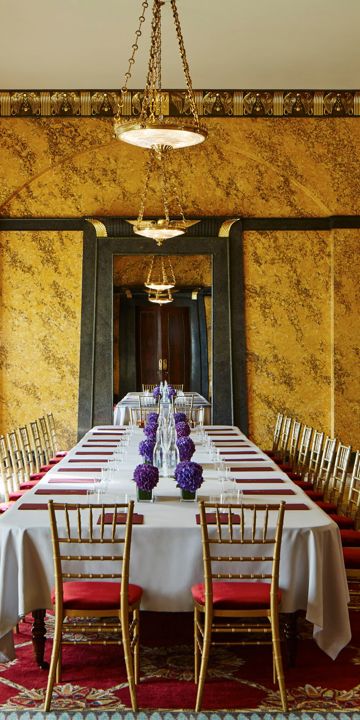
Where else can you...
...plan strategy in an ancient woodland, enjoy award-winning dining then drive around a -racetrack? -
Hospitality
-
Corporate Experiences
Where else can you...
...plan strategy in an ancient woodland, enjoy award-winning dining then drive around a -racetrack? -
Corporate Wellbeing
Goodwood's first Health Summit...
...took place in 2023 with industry experts discussing nutrition costs and food systems for a healthier future. -
Film Locations
Where else can you...
...plan strategy in an ancient woodland, enjoy award-winning dining then drive around a -racetrack?
-
Venue Hire
-
Weddings
-
Goodwood House
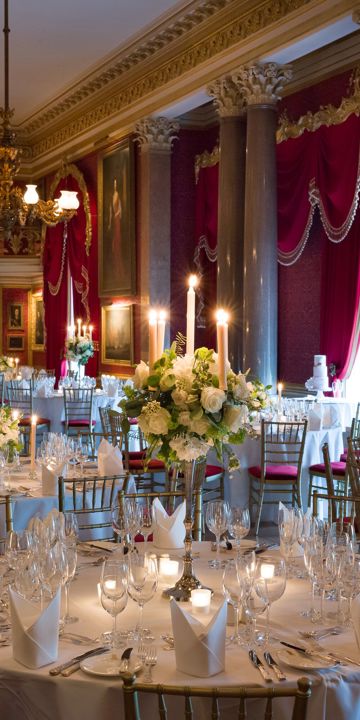

Georgian Ice House
Estate milk was once transformed into ice-creams, bombes, and syllabubs, and the Georgian ice house still stands in the grounds in front of Goodwood House.
-
The Kennels
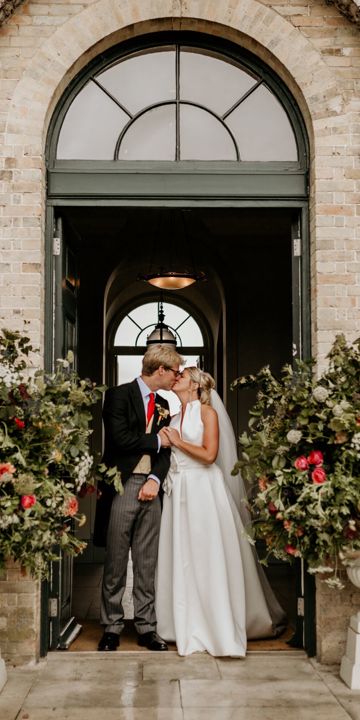

An exclusive clubhouse
As the private clubhouse for all of the Estate’s sporting and social members, it offers personal service and a relaxed atmosphere
-
The Goodwood Hotel
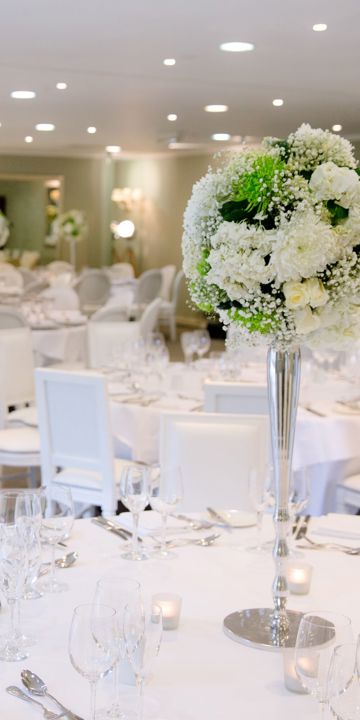

Advice from our Head Butler
Ensure you take a little time out together to pause and take in the celebration of all the hard work you put in will be a treasured memory.
-
Occasions
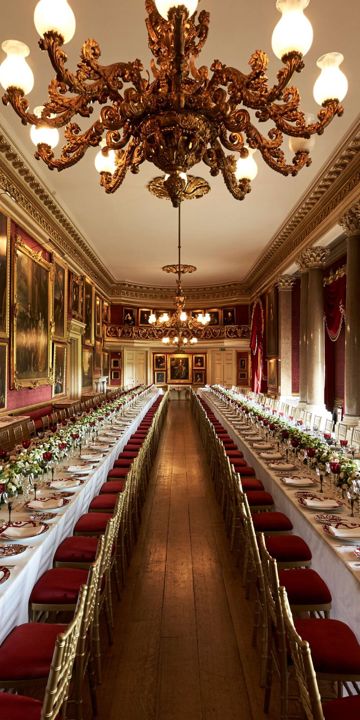
Where else can you...
...plan strategy in an ancient woodland, enjoy award-winning dining then drive around a -racetrack?
-
Goodwood House
-
Memberships
-
Goodwood Road Racing Club
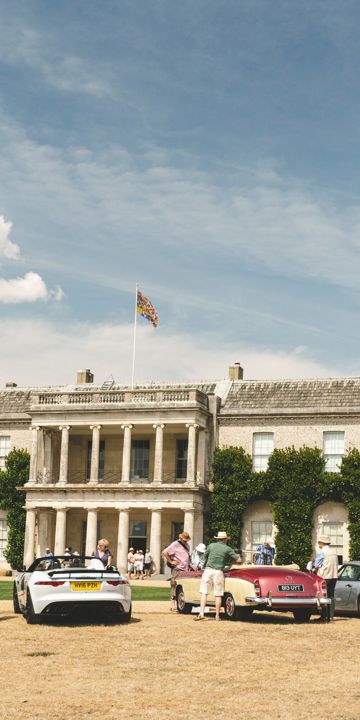

When was the GRRC founded?
Established in 1998 by the Duke of Richmond, the Goodwood Road Racing Club offers exclusive benefits across the estate year-round -
Goodwood Horseracing Club
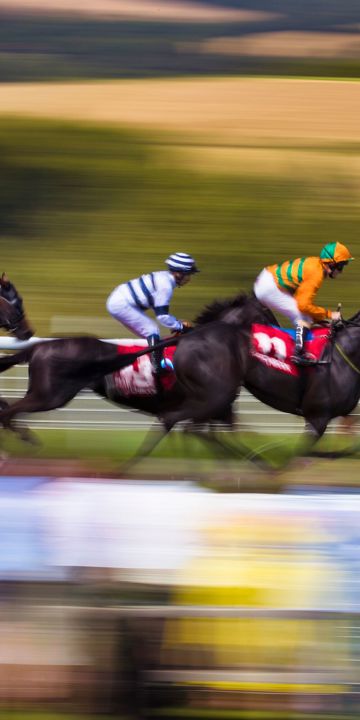
The Magnolia Cup
Leading women of business, sport, fashion and media, take part in one of the most exciting horseracing events in the world.
-
Golf At Goodwood
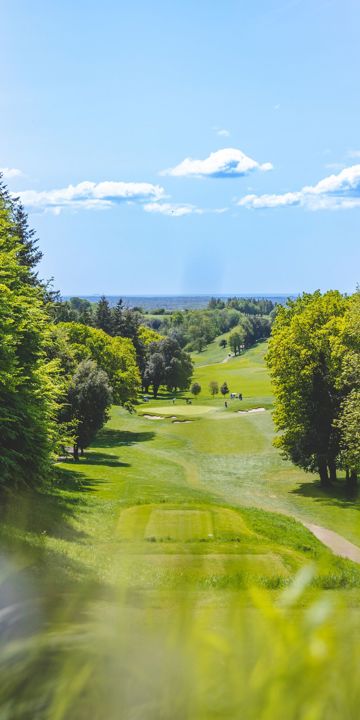
Over 100 years of Golf
The first ever round of golf played at Goodwood was in 1914 when the 6th Duke of Richmond opened the course on the Downs above Goodwood House.
-
Goodwood Aero Club

Flying with Goodwood
Come with us for an epic journey. -
Goodwood Health Club

Goodwood's first Health Summit...
...took place in 2023 with industry experts discussing nutrition costs and food systems for a healthier future. -
The Kennels
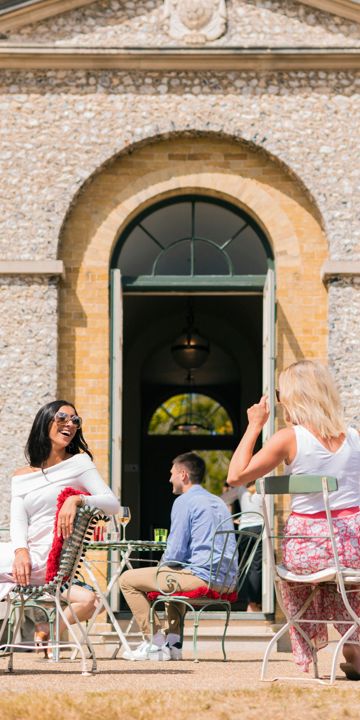
Fashionable foxhounds
The 1st Duke of Richmond bought Goodwood in 1697 as a place to stay to go foxhunting with the fashionable Charlton Hunt. -
Sporting Membership
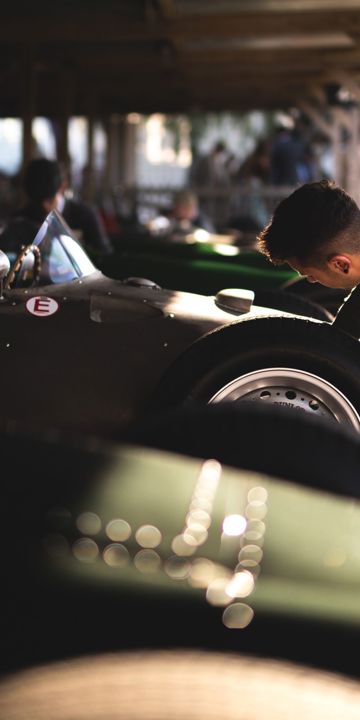
Estate Crest
"En la rose je fleurie" or "Like the rose, I flourish" is part of the Richmond coat of Arms and motto
-
Goodwood Racehorse Owners Group
-
Goodwood Road Racing Club
- Classic Car Insurance
- Health & Wellbeing
- Shop
-
Our Estate
-
Stories from the Estate
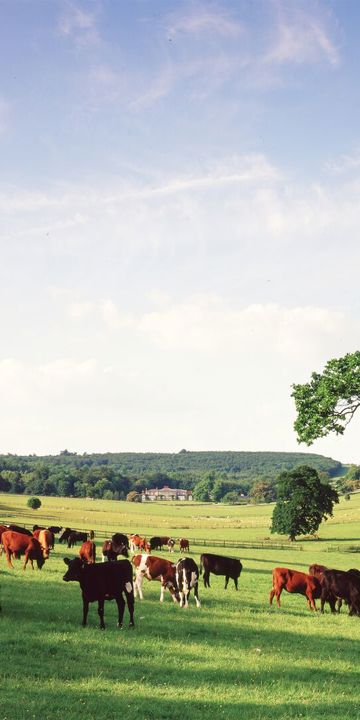
Battle of Britain
Flying training began at Goodwood in 1940 when pilots were taught operational flying techniques in Hurricanes and Spitfires.
-
Goodwood Education Trust
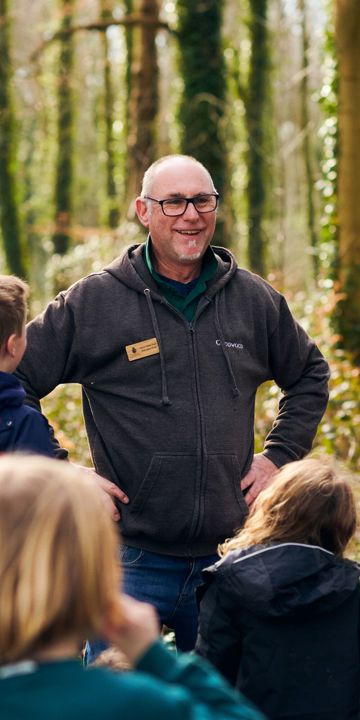
Carne's Seat
Just beyond Goodwood House along the Hillclimb, the 2nd Dukes banqueting house was also known as "one of the finest rooms in England" (George Vertue 1747).
-
Charities
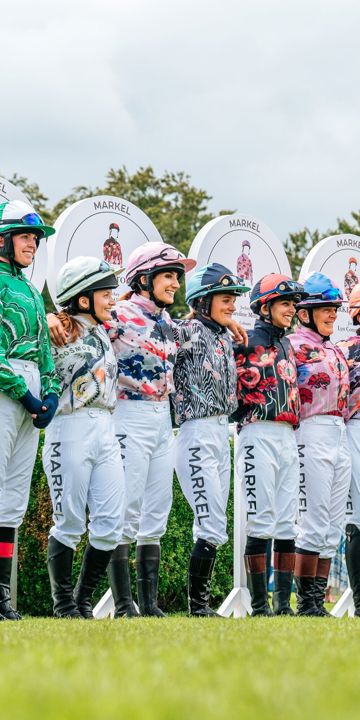

Roots for the future
A 20m woodland rue, from Halnaker to Lavant, was planted by our forestry teams & volunteers, featuring native species like oak, beech, & hornbeam
-
Sustainability
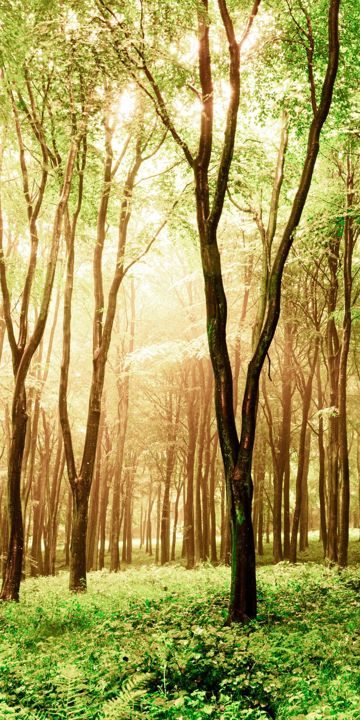
Estate Crest
"En la rose je fleurie" or "Like the rose, I flourish" is part of the Richmond coat of Arms and motto
-
Diversity, Equity & inclusion
-
Property
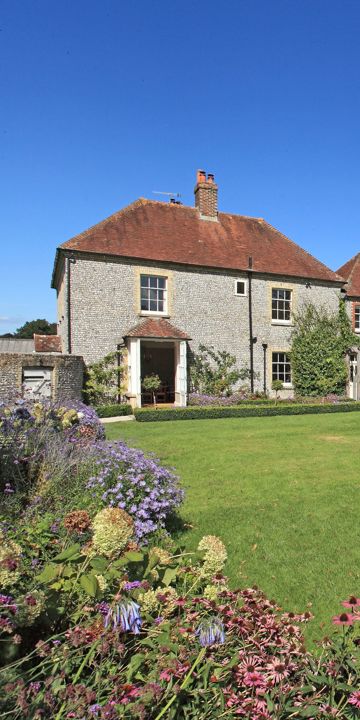

A different breed...
Goodwood’s pigs are a mix of two rare breeds (Gloucester Old Spots and Saddlebacks) plus the Large White Boar.
-
Estate Map
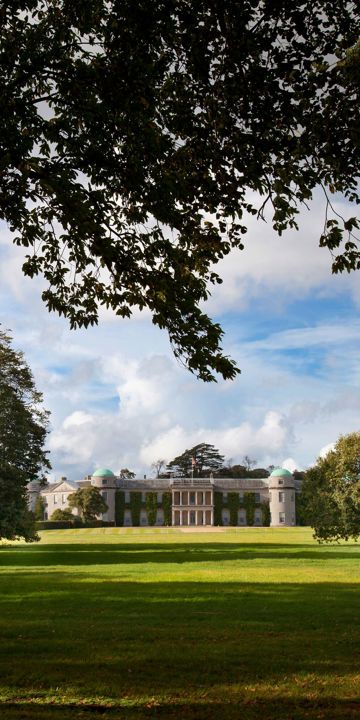
During the war...
The Motor Circuit was known as RAF Westhampnett, active from 1940 to 1946 as a Battle of Britain station. -
Walking Guide
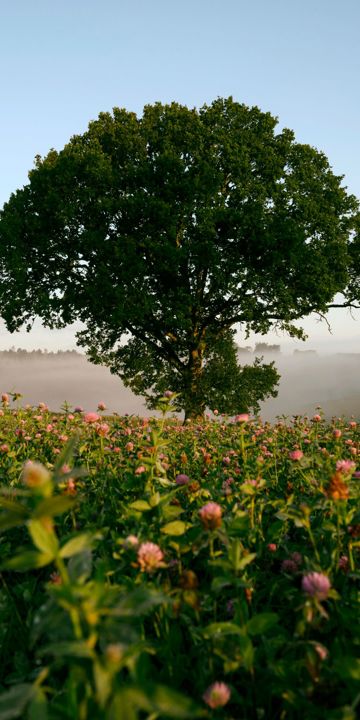

The Silver Spitfire
The iconic spitfire covered almost 43,000 kilometres and visited over 20 countries on its epic journey and currently resides at our Aerodrome.
-
Careers

Carne's Seat
Just beyond Goodwood House along the Hillclimb, the 2nd Dukes banqueting house was also known as "one of the finest rooms in England" (George Vertue 1747).
-
Goodwood Art Foundation
-
What's on
-
Stories from the Estate

7 vet-approved ways to look after your dog in the cold
Veterinary surgeon, broadcaster and Goodwoof guest, Dr Scott Miller gives his tips on how to look after your dog during the colder months.
By Rebecca Denne
Dogs
Goodwoof
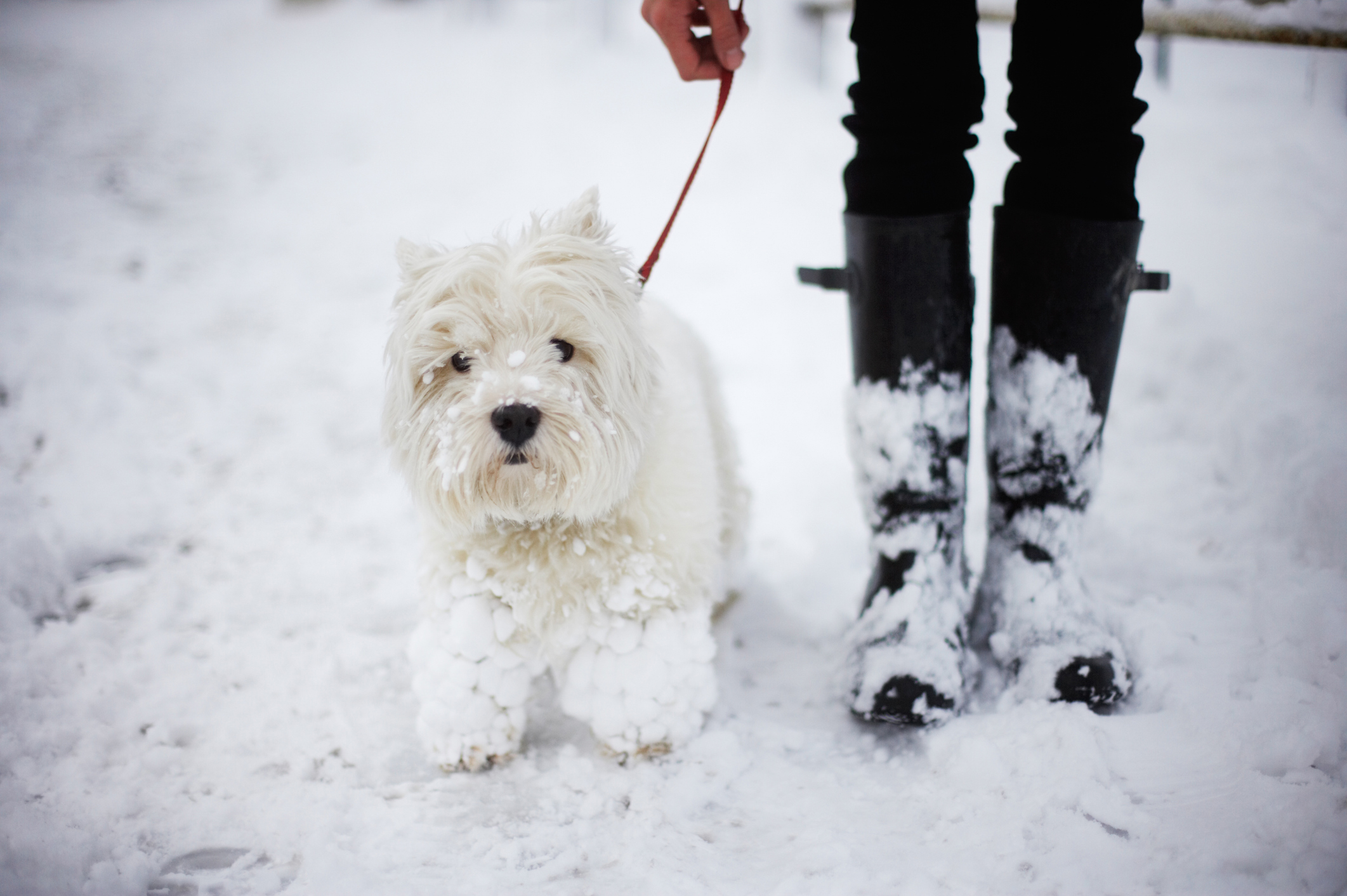
As we prepare for the colder months and unearth our winter wardrobe, dig out the thicker duvet and pop the heating on, attention ought to turn towards our four-legged friends, too. We asked, veterinary surgeon, broadcaster and friend of Goodwoof, Dr Scott Miller questions on how to care for our dogs during the seasonal change in the weather.
What are some of the health concerns that dogs can experience when it’s cold?
Here in the UK, one thing is for sure: we’re likely to experience several months of cold weather. While we might think that dogs are totally fine during the winter because of their coats and that they’re used to climate change, there are some risks such as:
1. Hypothermia: a dog’s average temperature is around 38.3 to 39.2°C, but a hypothermic dog will measure around 37.2°C. Signs of hypothermia might include (but aren’t limited to) shivering, lethargy, a weak pulse or shallow breathing.
2. Frostbite: Similarly to humans, frostbite is a risk for dogs during the cold months – particularly when there's snow and ice on the ground. Paws, ears and tails are the areas most susceptible to frostbite and signs can include discolouration of the skin - your dog might lick or chew the affected area - swelling, pain and coldness when touched.
3. Arthritis: For dogs who have arthritis, the change in weather can worsen symptoms, again, much like humans who have the condition. Your dog might be slower and stiffer in the morning, so it’s important to ease them into the day and give them time to gently move their joints before you head out and about.
Are some dogs more at risk than others in cold weather?
Yes, absolutely. Smaller dogs and breeds that are naturally thinner such as greyhounds whippets or Italian greyhounds, can struggle to stay warm when it’s cold out – you’ll often see them with their little winter coats on. Similarly to humans, age can be a risk factor when it comes to being exposed to the cold, so young pups and older dogs may be more vulnerable as they can struggle to regulate their body temperature. For obvious reasons, dogs with thinner coats such as pugs, Boston terriers, chihuahuas and Jack Russells can feel the chill more, too. And finally, dogs who have existing health conditions such as arthritis, heart or kidney disease and diabetes can see symptoms worsen when it’s cold.
Dr Scott’s 7 top tips for looking after dogs in a cold snap
1. Keep a routine (but be smart)
You might not feel like going out when it’s super cold, but remember that walking your dog is important for their health, socialisation, bonding and maintaining a healthy weight. If it’s really cold out, keep your walks to 20 minutes and always look for any signs that your dog is getting too cold. Avoid going out with your dog when it’s -4℃; remember, missing the odd walk is fine, you can always have some fun play-time indoors instead?
2. Get your dog suitable winter clothing
Not all dogs need a winter jacket for their walks. Larger breeds with thicker fur (think huskies, who are used to extreme weather) are generally winter-ready and will be fine to go on their walks. That said, smaller dogs, or those with thinner coats, will need to wear a dog jacket, jumper or socks. Paws can be an area we forget about, so dog shoes are great for when it’s cold out.
3. Be sensible in the snow
Healthy dogs are fine to take out for walks in the snow, ideally during the day when temperatures are not quite as bracing. Limit your walk to 20 minutes, and be sure to check your dog’s paws when you stop or get home and remove any snow or ice that may have got lodged there. You might find it useful to trim the fur on your dog’s feet to prevent ice or snow getting stuck.
4. Never leave your dog outside in the cold
Dogs are man’s best friend, and so they deserve to be treated that way. Never leave them outside without a warm shelter – this also goes for leaving them in the car where temperatures can drop very rapidly.
5. Give them warm meals and water
Imagine coming back from a cold walk and being given a cold salad or bowl of ice cream! During the winter, try adding a little warm water to your dog’s food just to give them a bit of warmth. You can also add some warm water to their water bowl. Be mindful that dogs can become dehydrated in the cold as much as they can in the hotter months, so always ensure your furry friend has plenty to drink. While dogs might need more calories in the winter, don’t go overboard. As I mentioned before, they might be doing fewer or shorter walks, so be mindful of weight gain, which can lead to other health conditions.
6. Don’t let your dog overheat
While you might be inclined to pop your dog in their winter jumper, crank up the heating and get their heated pad or bedding out, dogs can easily become overheated, leading to heatstroke (signs can include, but not limited to, panting, extreme drooling, vomiting and weakness). While this is extremely rare, it is something to be conscious of. Don’t overdress your dog and keep your home warm, but not hot.
7. Know how to warm your dog up correctly
If your dog has been exposed to the cold and you need to warm them up, it’s important to do it gradually. Firstly, get them inside and if they’re wet, dry them off with a towel. Remove any snow or ice from their coat and in between their paws. Offer them some warm (not hot) food and water and give them access to a heated dog-pad or blanket.
When should you take your dog to see a vet?
-
If your dog has been panting for more than five minutes after being removed from a cold environment.
-
If they show signs of hypothermia or frostbite.
-
If you think they have experienced heat stroke. Keep a close eye on them over the coming days and if they’re not eating or are not themselves, then see a vet.
-
Many pet insurers offer advice over the phone, which can be a useful resource if you’re concerned.
Secure your place in the May sunshine at Goodwoof 2025. Tickets are on sale at the best price available.
Dogs
Goodwoof