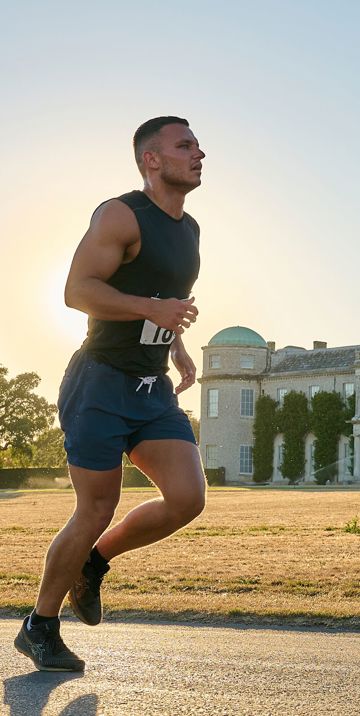
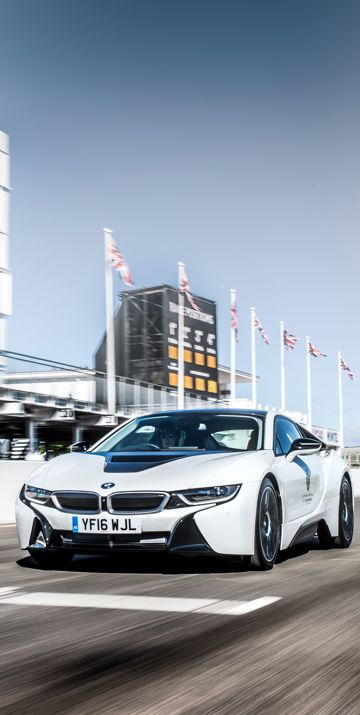

Future Lab is Goodwood's innovation pavilion, inspiring industry enthusiasts and future scientists with dynamic tech


Sir Stirling Moss was one of the founding patrons of the Festival of Speed, and a regular competitor at the Revival.


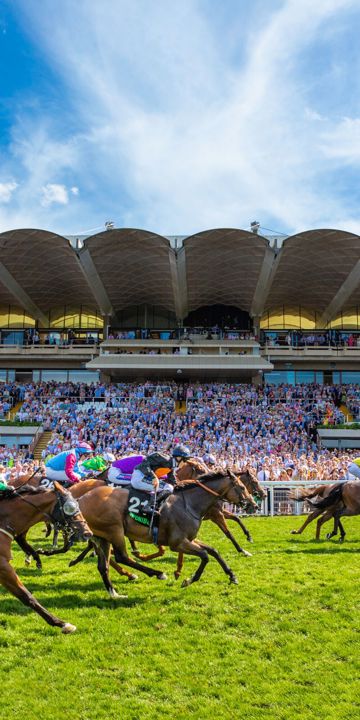
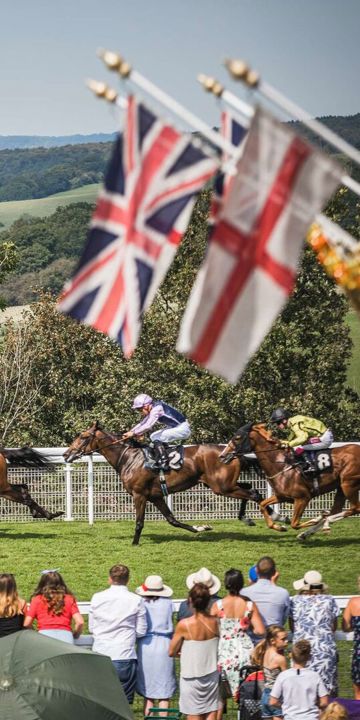
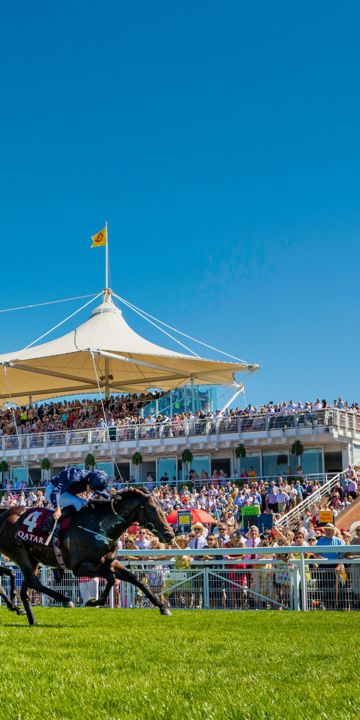
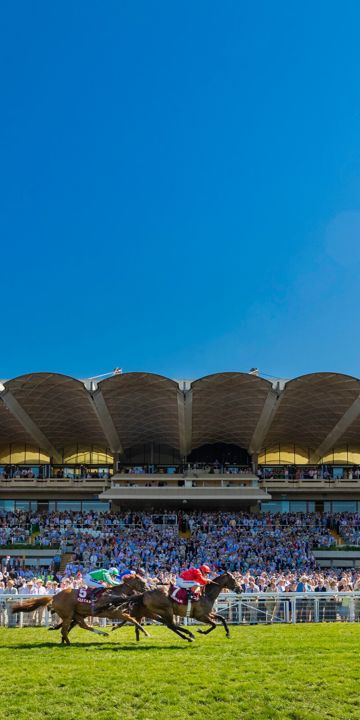
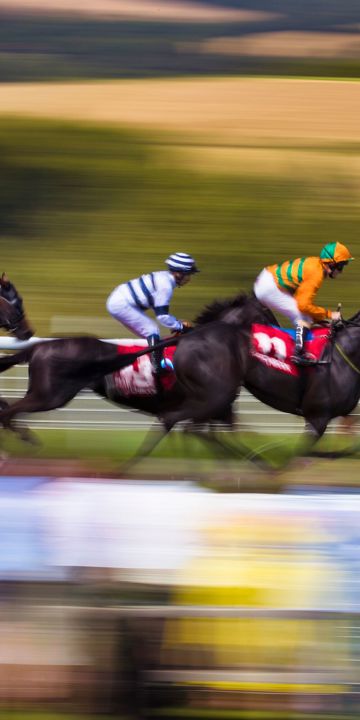
The first public race meeting took place in 1802 and, through the nineteenth century, ‘Glorious Goodwood,’ as the press named it, became a highlight of the summer season


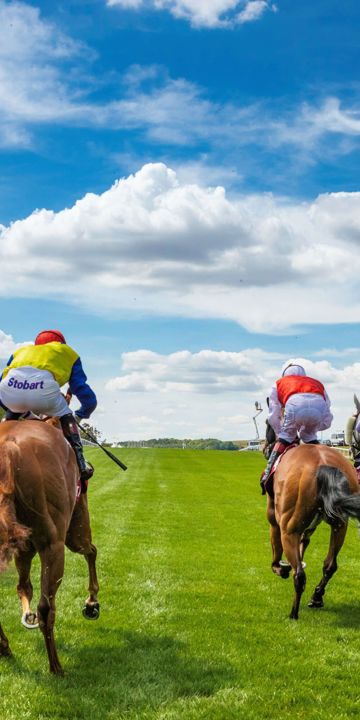
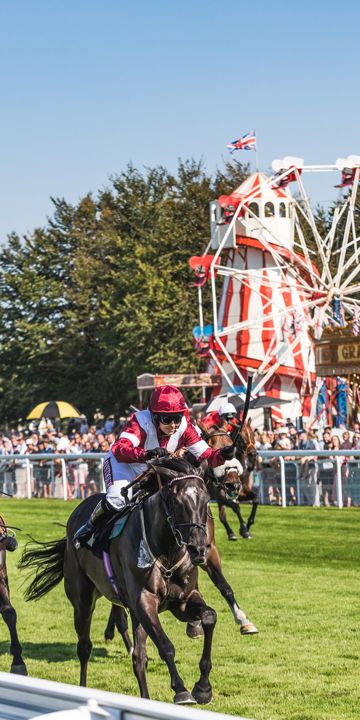
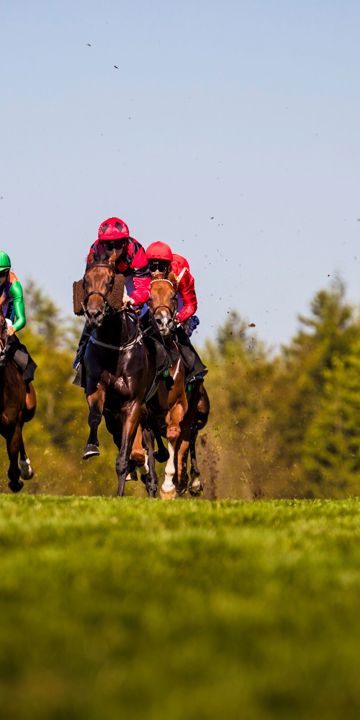
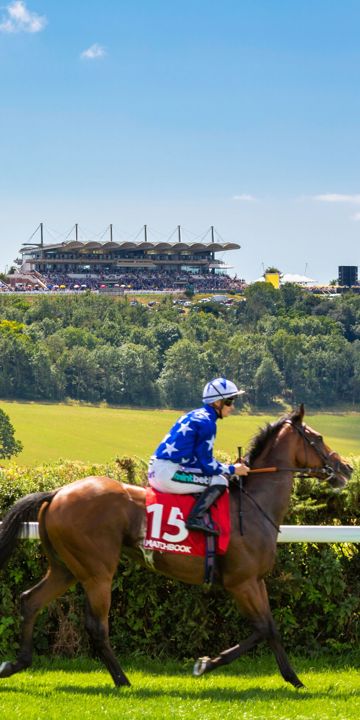
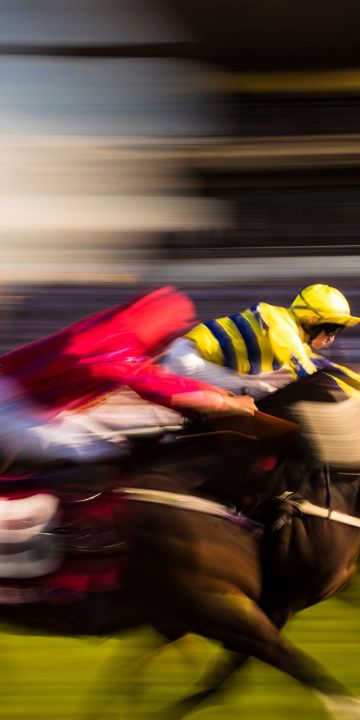
The red & yellow of the Racecourse can be traced back hundreds of years, even captured in our stunning Stubbs paintings in the Goodwood Collection


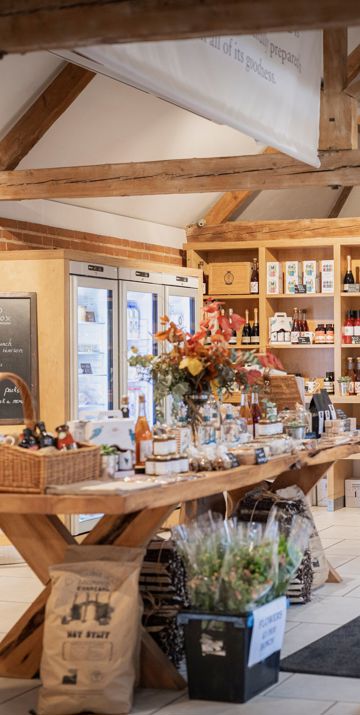
Our gin uses wild-grown botanicals sourced from the estate, and is distilled with mineral water naturally chalk-filtered through the South Downs.


The origins of the collection lay in the possessions of Louise de Keroualle, Duchess of Portsmouth, and Duchess of Aubigny in France, to whom some of the paintings originally belonged.


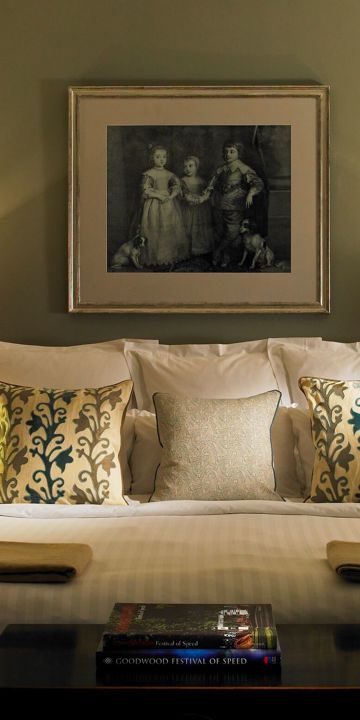
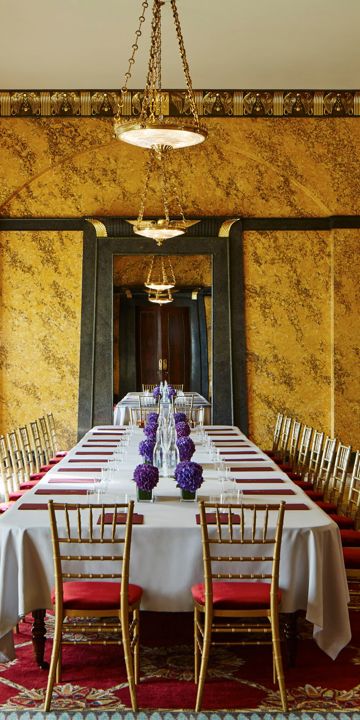
Dido is traditionally for the host, but every single room is designed with personal touches from Cindy Leveson and the Duke & Duchess of Richmond.


Inspired by the legendary racer, Masten Gregory, who famously leapt from the cockpit of his car before impact when approaching Woodcote Corner in 1959.


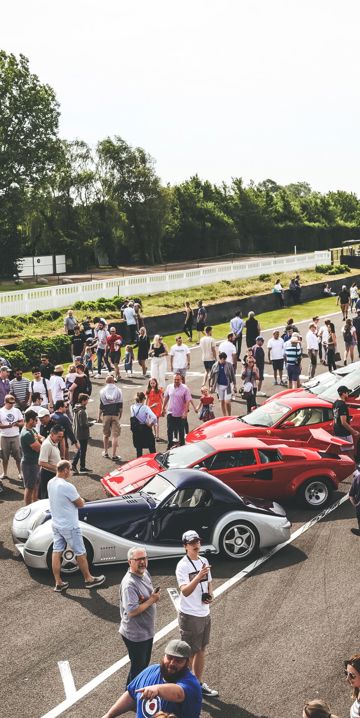
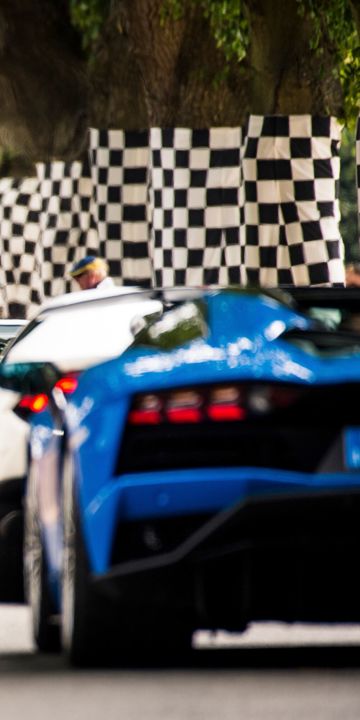
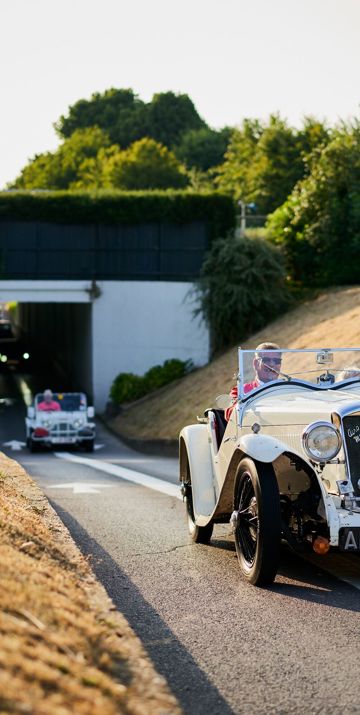
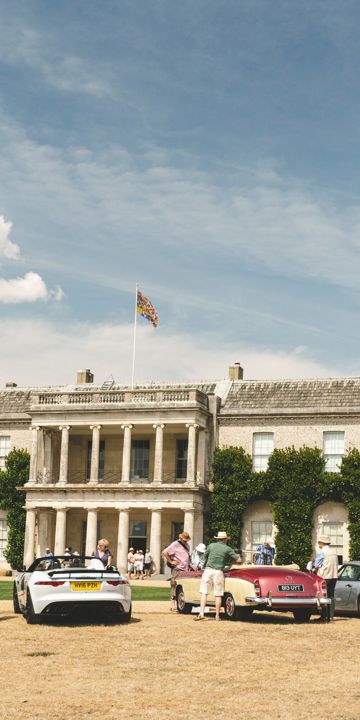
Found on the lawn at FOS is the finest concours d'elegance in the world, where the most beautiful cars are presented


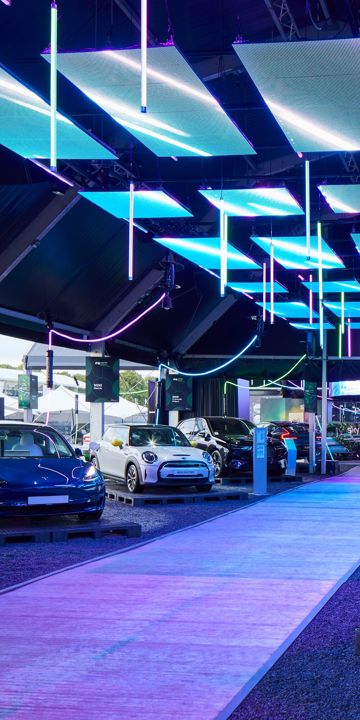
Our replica of the famous motor show showcases the "cars of the future" in true Revival style


Future Lab is Goodwood's innovation pavilion, inspiring industry enthusiasts and future scientists with dynamic tech


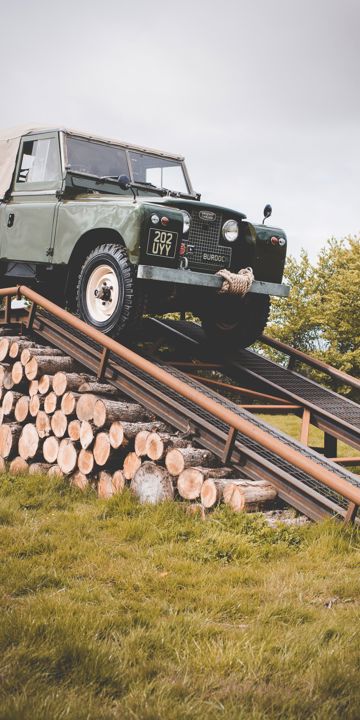
From 2005 to present there has been a demonstration area for the rally cars at the top of the hill


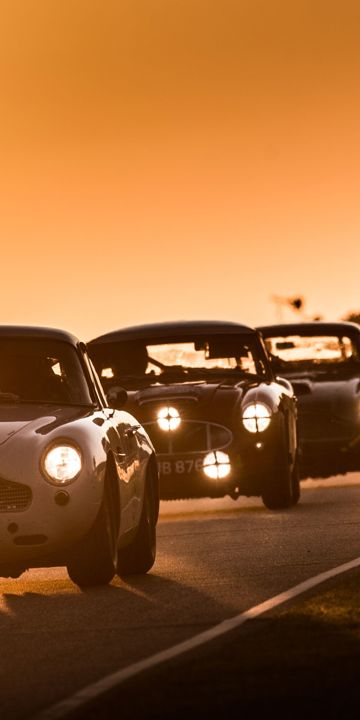
Sir Stirling Moss was one of the founding patrons of the Festival of Speed, and a regular competitor at the Revival.


From 2005 to present there has been a demonstration area for the rally cars at the top of the hill


The red & yellow of the Racecourse can be traced back hundreds of years, even captured in our stunning Stubbs paintings in the Goodwood Collection


The red & yellow of the Racecourse can be traced back hundreds of years, even captured in our stunning Stubbs paintings in the Goodwood Collection


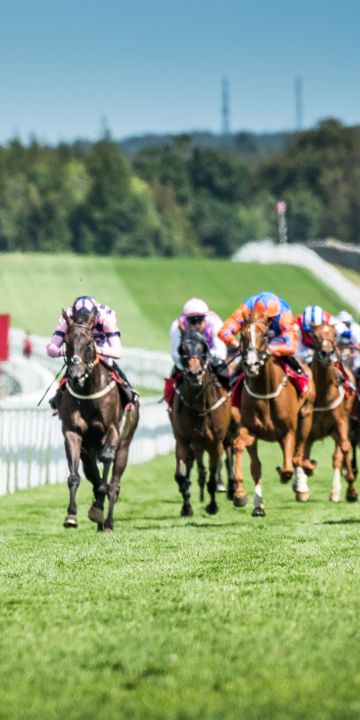
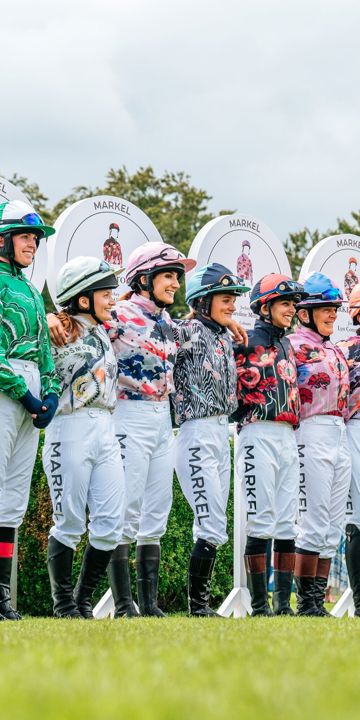
Leading women of business, sport, fashion and media, take part in one of the most exciting horseracing events in the world.


The red & yellow of the Racecourse can be traced back hundreds of years, even captured in our stunning Stubbs paintings in the Goodwood Collection


One Summer, King Edward VII turned his back on the traditional morning suit, and donned a linen suit and Panama hat. Thus the Glorious Goodwood trend was born.


One Summer, King Edward VII turned his back on the traditional morning suit, and donned a linen suit and Panama hat. Thus the Glorious Goodwood trend was born.


The first public race meeting took place in 1802 and, through the nineteenth century, ‘Glorious Goodwood,’ as the press named it, became a highlight of the summer season


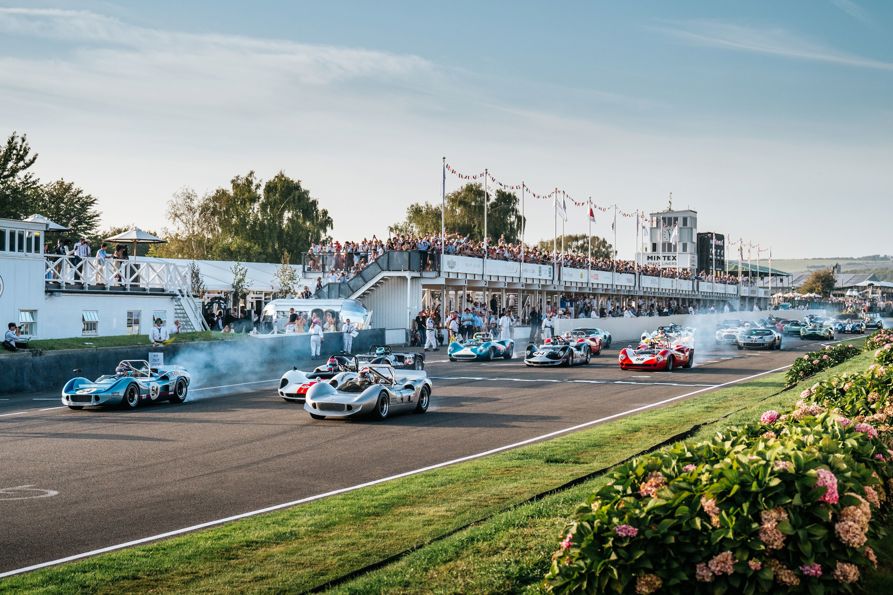
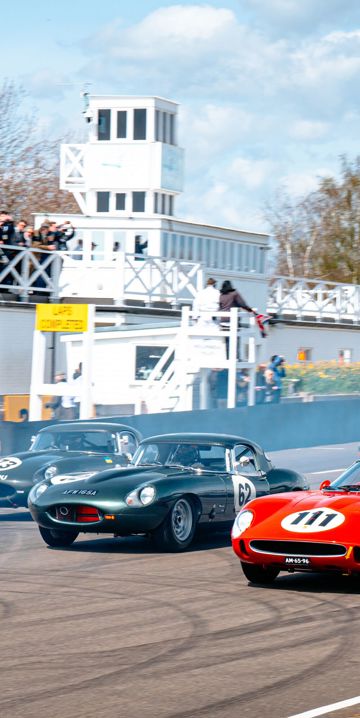
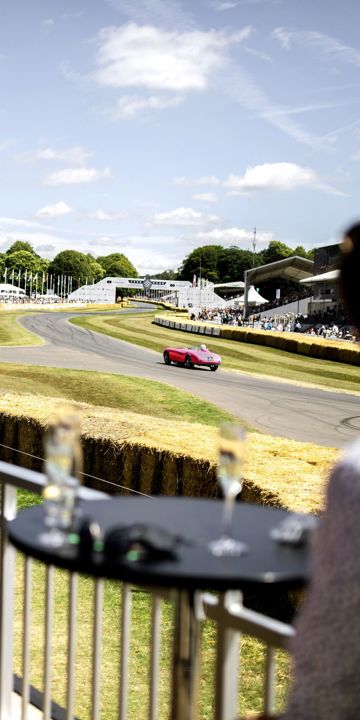
Spectate from the chicane at the Revival to see plenty of classic cars going sideways as they exit this infamous point of our Motor Circuit.


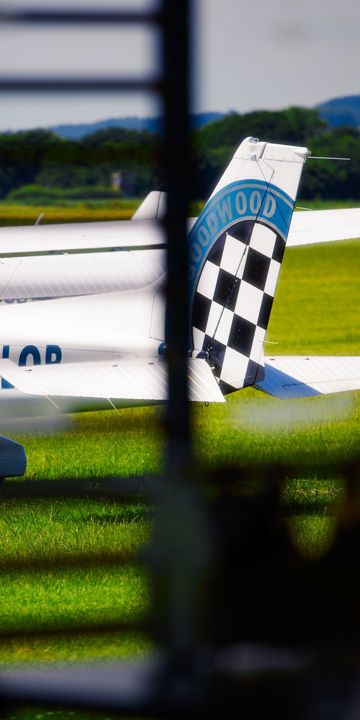
The first thing ever dropped at Goodwood was a cuddly elephant which landed in 1932 just as the 9th Duke of Richmonds passion for flying was taking off.


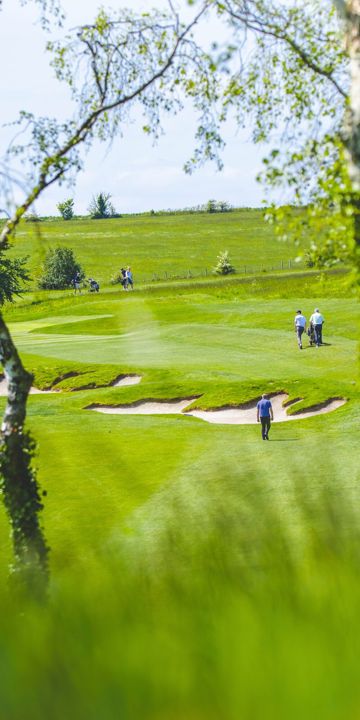
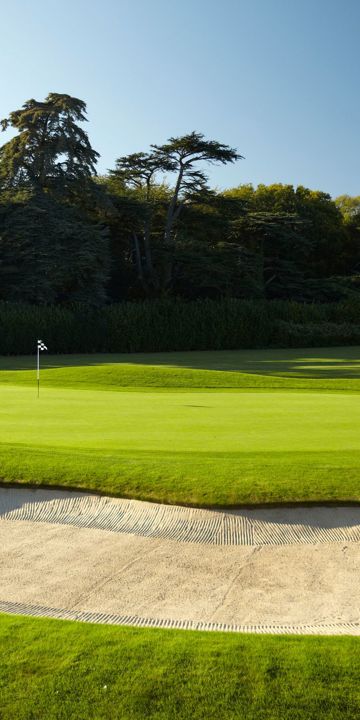
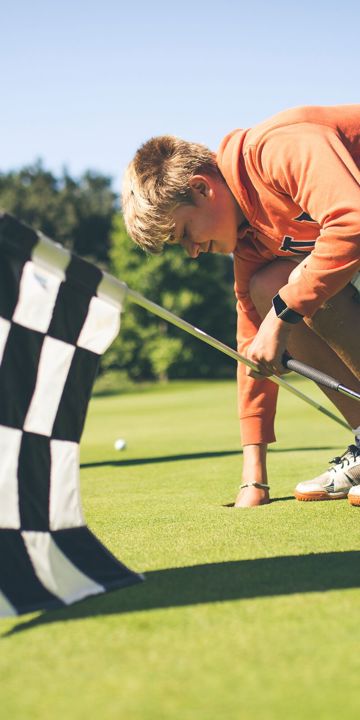
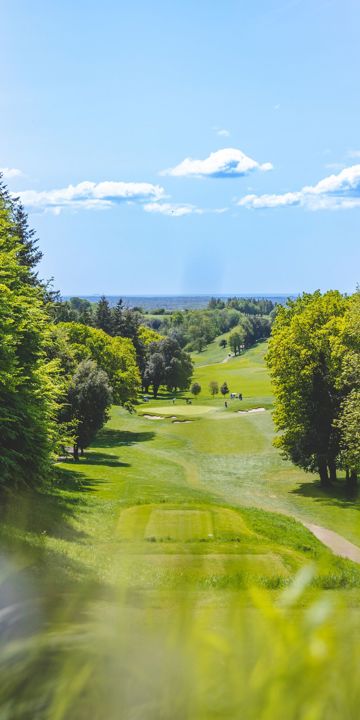
The first ever round of golf played at Goodwood was in 1914 when the 6th Duke of Richmond opened the course on the Downs above Goodwood House.


Easy boy! The charismatic Farnham Flyer loved to celebrate every win with a pint of beer. His Boxer dog, Grogger, did too and had a tendancy to steal sips straight from the glass.


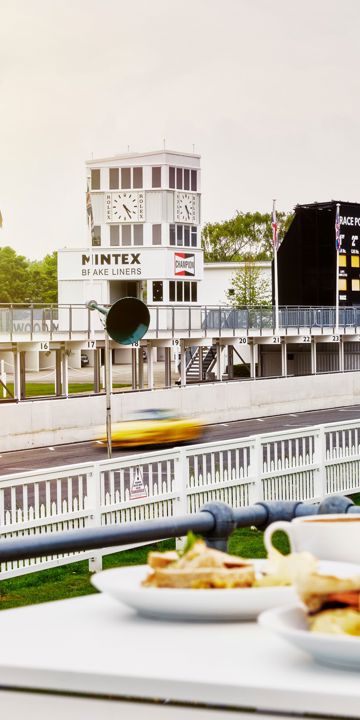
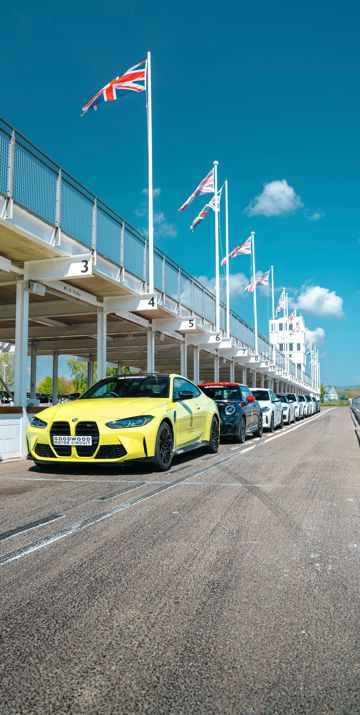
Goodwood Motor Circuit was officially opened in September 1948 when Freddie March, the 9th Duke and renowned amateur racer, tore around the track in a Bristol 400


The first ever round of golf played at Goodwood was in 1914 when the 6th Duke of Richmond opened the course on the Downs above Goodwood House.


One of the greatest golfers of all time, James Braid designed Goodwood’s iconic Downland course, opened in 1914.


One of the greatest golfers of all time, James Braid designed Goodwood’s iconic Downland course, opened in 1914.


The Motor Circuit was known as RAF Westhampnett, active from 1940 to 1946 as a Battle of Britain station.


Ray Hanna famously flew straight down Goodwood’s pit straight below the height of the grandstands at the first Revival in 1998


Flying training began at Goodwood in 1940 when pilots were taught operational flying techniques in Hurricanes and Spitfires.


Estate milk was once transformed into ice-creams, bombes, and syllabubs, and the Georgian ice house still stands in the grounds in front of Goodwood House.


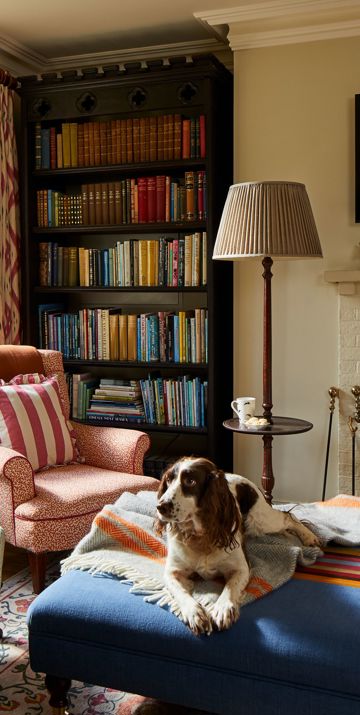
As the private clubhouse for all of the Estate’s sporting and social members, it offers personal service and a relaxed atmosphere


Ensure you take a little time out together to pause and take in the celebration of all the hard work you put in will be a treasured memory.


Leading women of business, sport, fashion and media, take part in one of the most exciting horseracing events in the world.


The first ever round of golf played at Goodwood was in 1914 when the 6th Duke of Richmond opened the course on the Downs above Goodwood House.


"En la rose je fleurie" or "Like the rose, I flourish" is part of the Richmond coat of Arms and motto


Flying training began at Goodwood in 1940 when pilots were taught operational flying techniques in Hurricanes and Spitfires.


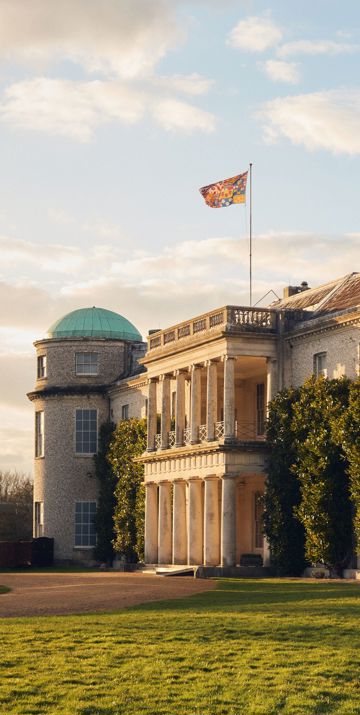
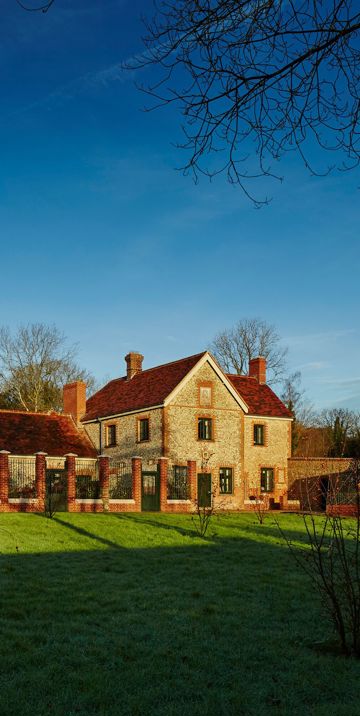
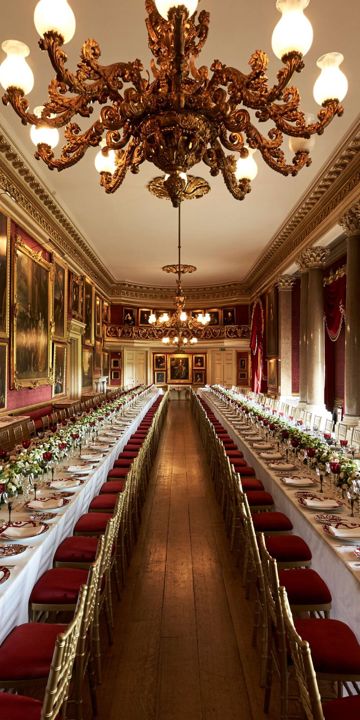
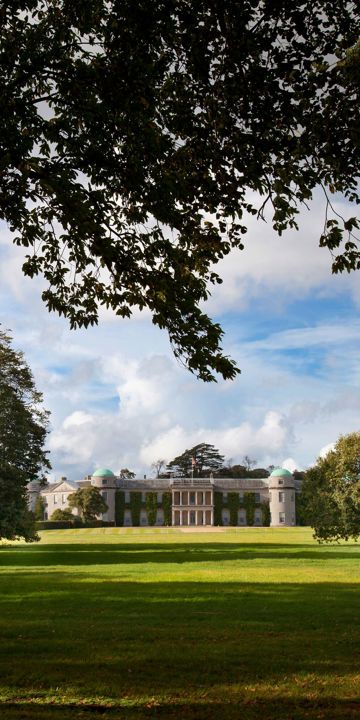
Just beyond Goodwood House along the Hillclimb, the 2nd Dukes banqueting house was also known as "one of the finest rooms in England" (George Vertue 1747).


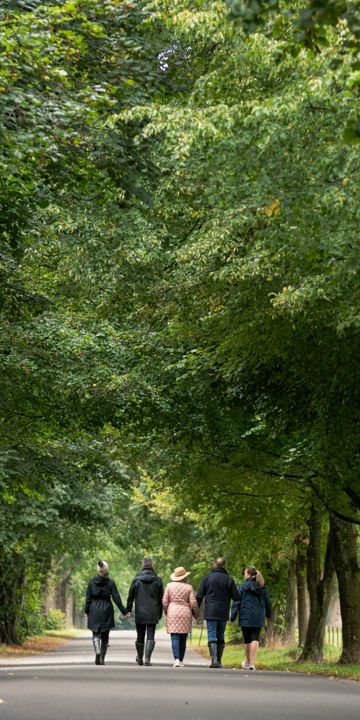
A 20m woodland rue, from Halnaker to Lavant, was planted by our forestry teams & volunteers, featuring native species like oak, beech, & hornbeam


"En la rose je fleurie" or "Like the rose, I flourish" is part of the Richmond coat of Arms and motto


Goodwood’s pigs are a mix of two rare breeds (Gloucester Old Spots and Saddlebacks) plus the Large White Boar.


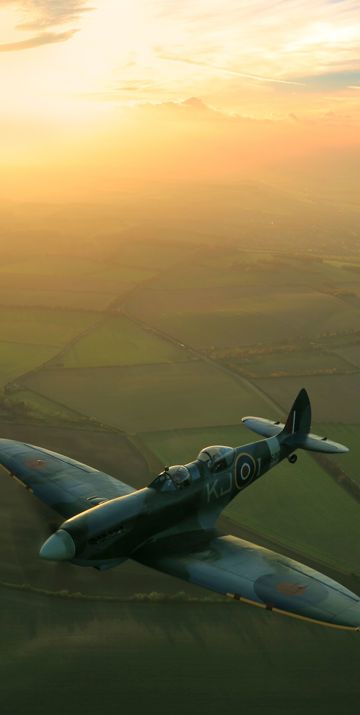
The iconic spitfire covered almost 43,000 kilometres and visited over 20 countries on its epic journey and currently resides at our Aerodrome.


Just beyond Goodwood House along the Hillclimb, the 2nd Dukes banqueting house was also known as "one of the finest rooms in England" (George Vertue 1747).


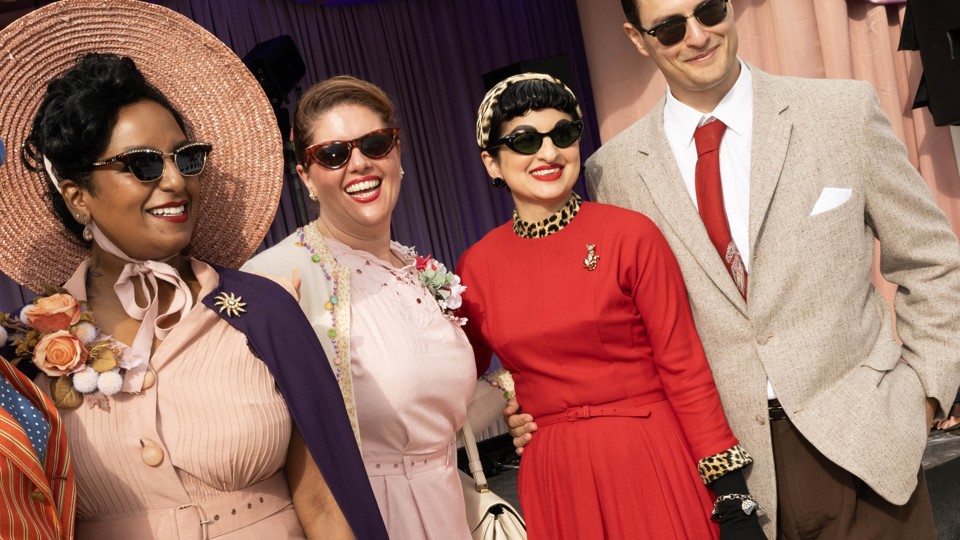
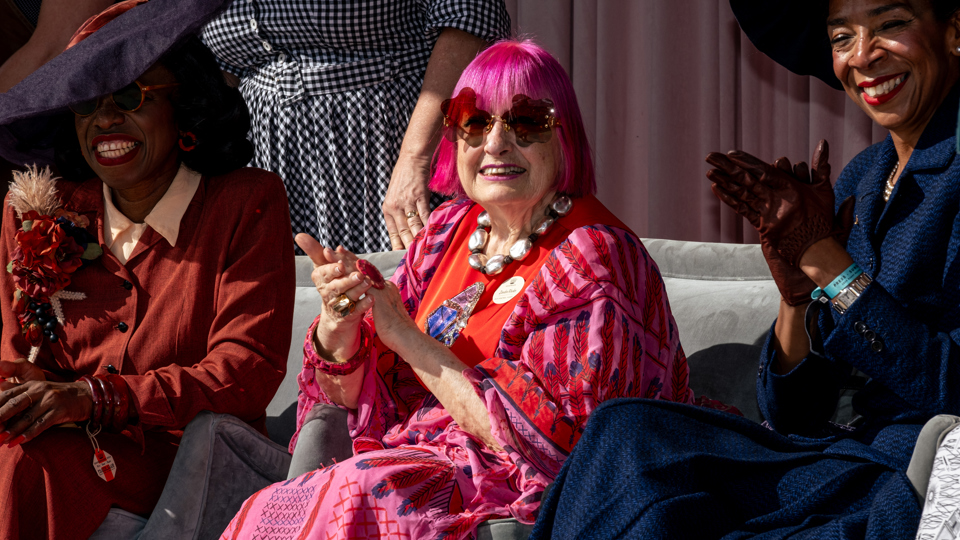
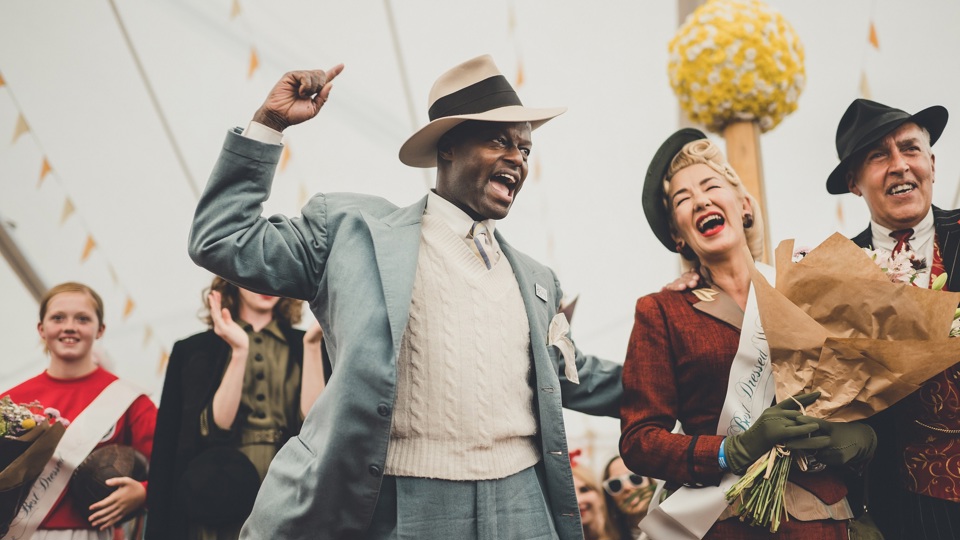
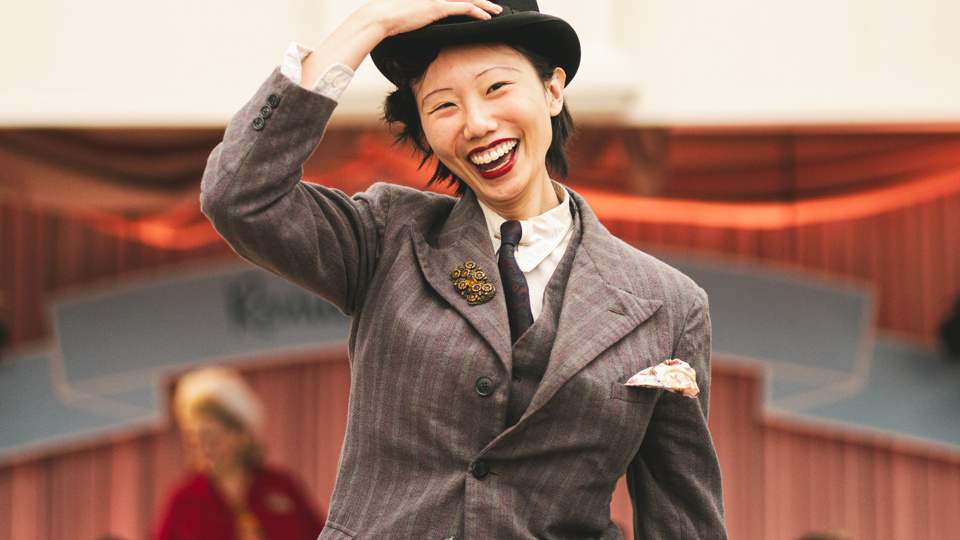
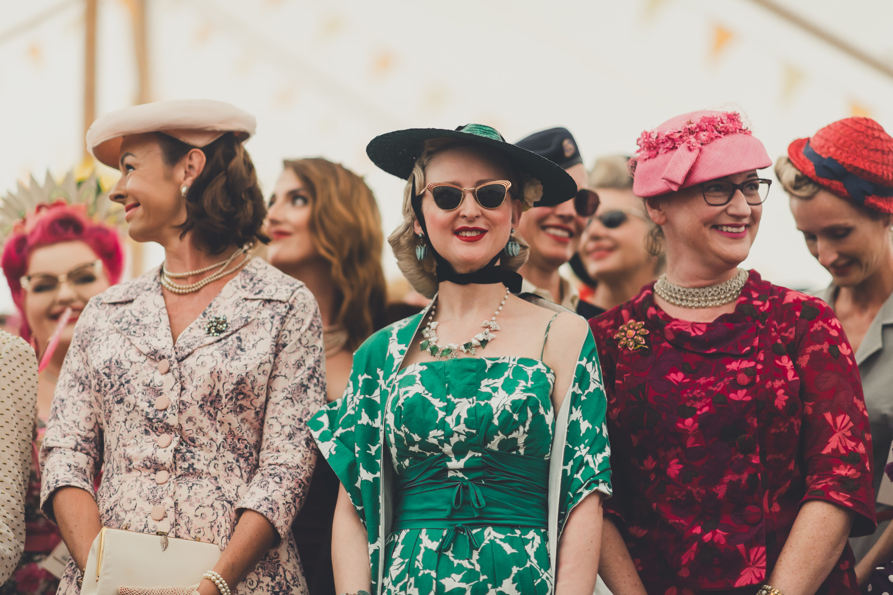
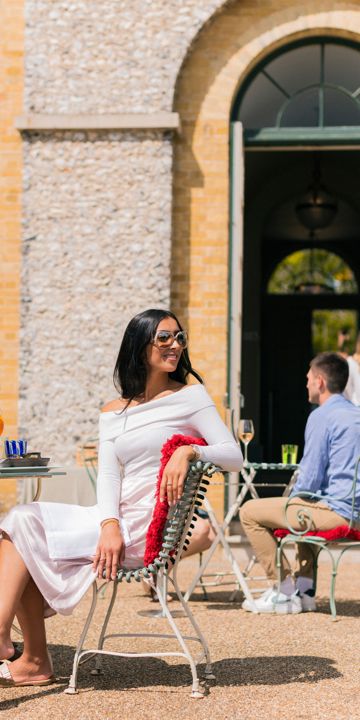
Revival is a veritable catwalk of sartorial excellence. Soak up the imaginative style statements of our visitors and find inspiration for your own Revival look. Referencing the sharp tailoring and heritage fabrics of the post-war era as well as the more functional garbs of motor sport heroes, the Revival look is full of elegance, wit and timeless classics. For more inspiration, enjoy our Style Guide, and follow @GoodwoodRevivalStyle on Instagram.
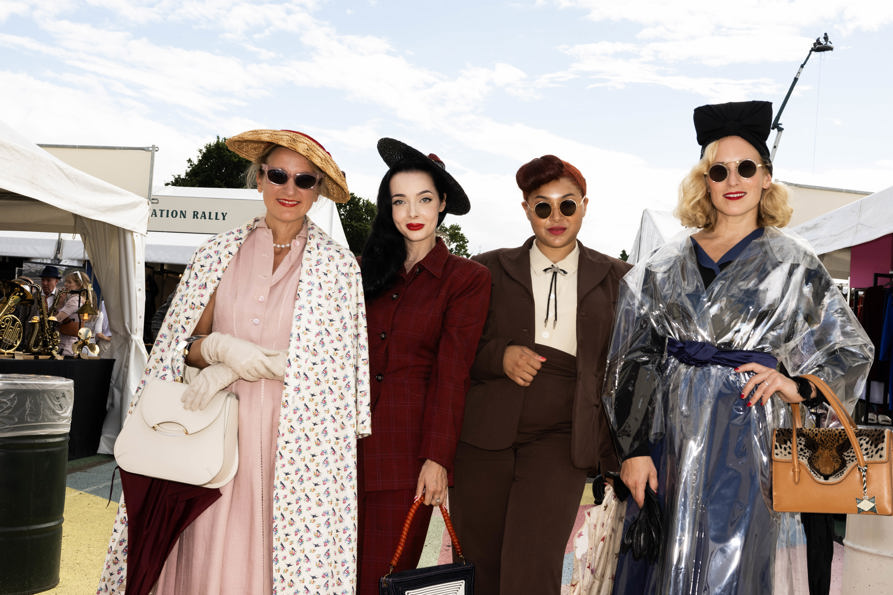
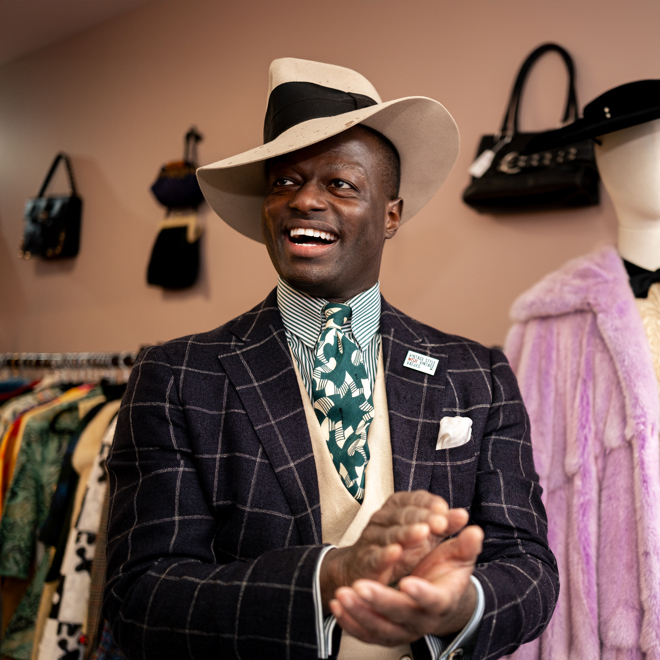
Revival is a unique opportunity to embrace iconic looks, many of which inform the way we dress today. Whether that’s by seeking out true vintage pieces from the era, enjoying more recent interpretations of timeless trends or creating your own outfit from scratch, it’s all part of the Revival story, celebrating unforgettable fashion that is made to last.
Don’t confine yourself to one section of the vintage store – a tailored men’s blazer has an air of Katharine Hepburn’s insouciance, but also looks great over an oversized shirt today. Similarly, get creative with the way you wear your pre-worn finds: weave a silk scarf through halo braids, or wear vintage spectacles on a chain around your neck – an innately fabulous piece never dates.
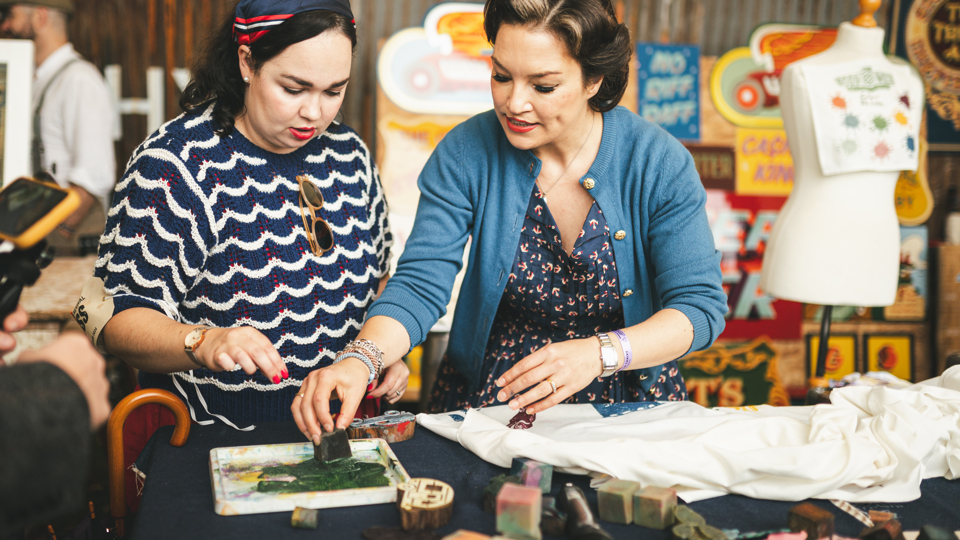
The right tailor can ensure all of your second-hand purchases fit you perfectly, especially when you encounter vintage sizing which drastically differs from modern-day equivalents. It’s also a chance to rethink, repair and re-wear what’s already in your wardrobe – an expert tweak of something that no longer fits or has lost its appeal makes for a brand new style statement. Swap out original buttons for vintage alternatives; add elbow patches or an embroidered monogram to pockets, or introduce contrast stitching to lapels and cuffs.
Finding truly special pieces you’ll wear for a lifetime requires patience and diligence… but the thrill of the chase is half the charm. Save key searches on resale platforms, tell local shop owners the kind of pieces you’re looking for and build mood boards on Pinterest to help plan the look. And remember, before buying ask yourself: is this something I will wear again and again, and is it up to a day galivanting at Revival? Here are some key items to look out for:
1940s
1950s
1960s
If you’re looking to pay homage to the Revival theme with contemporary pieces, vintage accessories will provide the perfect link back to the era. From sunglasses and silk scarves, to hats and bags… and of course, never under-estimate the power of the ultimate Revival accoutrement: a bold red lip. To elevate modern menswear, add a wool fedora, sleeve holder, detachable collar, leather driving gloves, lapel pins, a pair of leather loop braces, special cufflinks or a great tie clip.
The devil, as they say, is in the detail, and you can instantly refresh a look by trying a new knot or flourish. Add personality and style to your tie by opting for knots like the Eldredge, Trinity, or Merovingian knot, which are more intricate. Experiment with different pocket square folds - the classic straight fold, puff fold, or more complex folds like the crown or scallop. And when it comes to your bow tie, why not try a batwing, a diamond point or a club knot, rather than the classic butterfly?
Guests are discouraged from making controversial uniforms and culturally appropriated items a part of their Revival looks. Everyone should feel welcome and respected at Revival; Goodwood therefore reserves the right to ask visitors who are inappropriately attired to leave the event.